
Level 1 sweep and inspection to the NFPA 211 annual standard - flue, crown, cap, and flashing checked and photographed
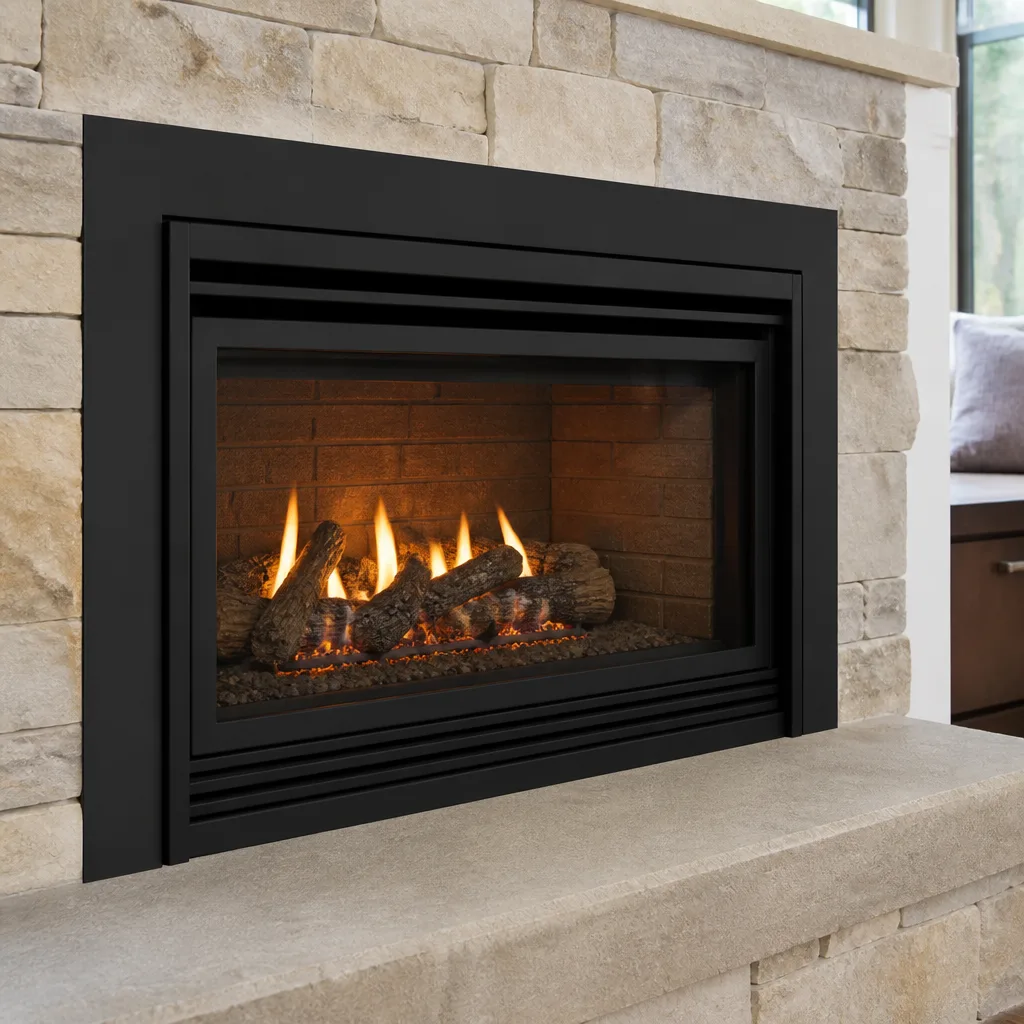
Chimney sweep logs do not sweep chimneys. They loosen some creosote - which then falls where a brush and vacuum still have to collect it.
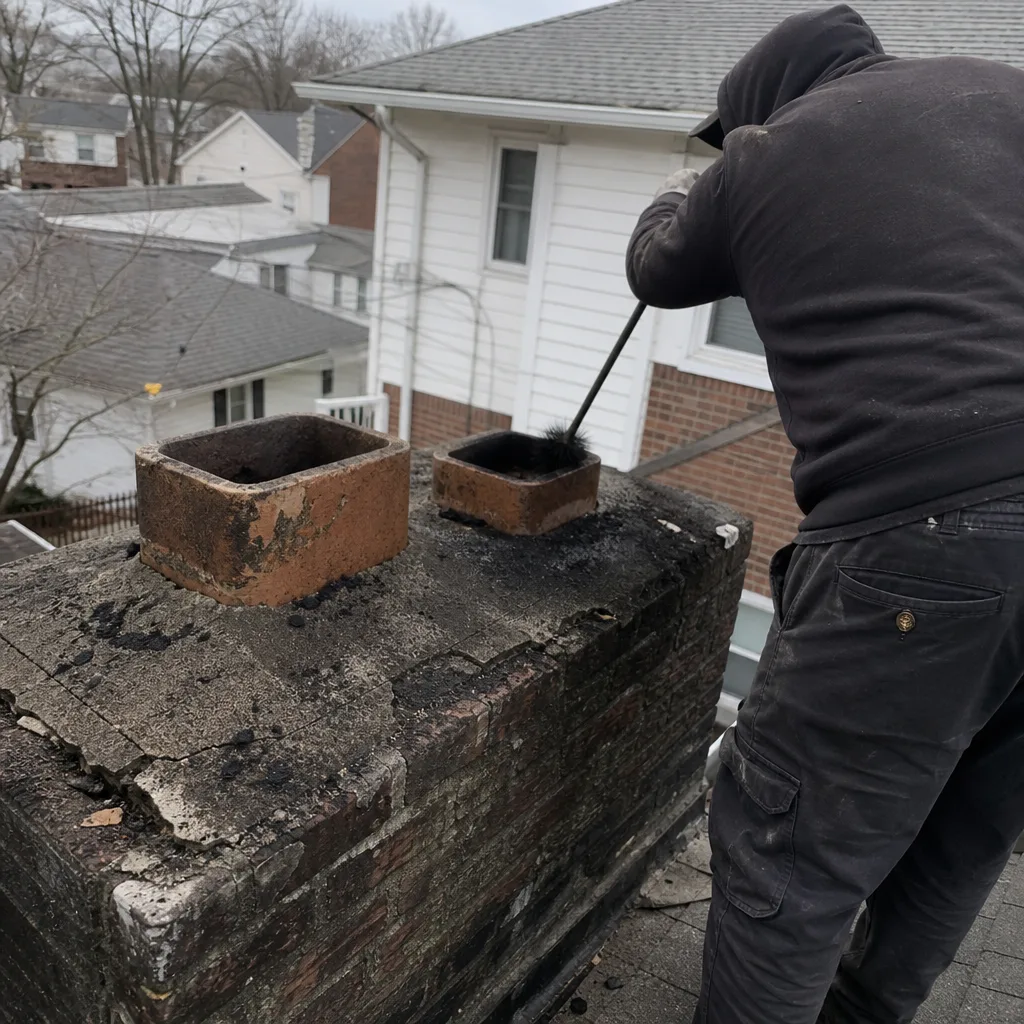 Before
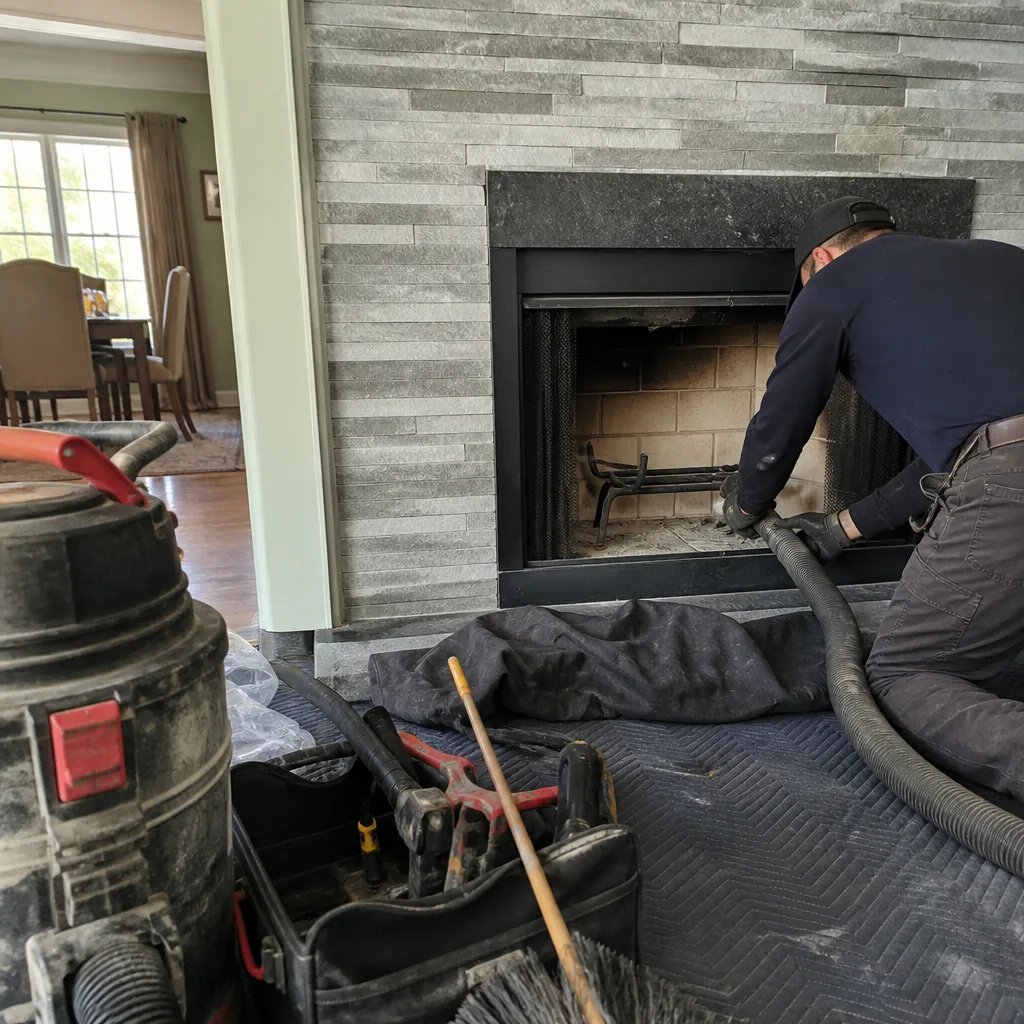 After
After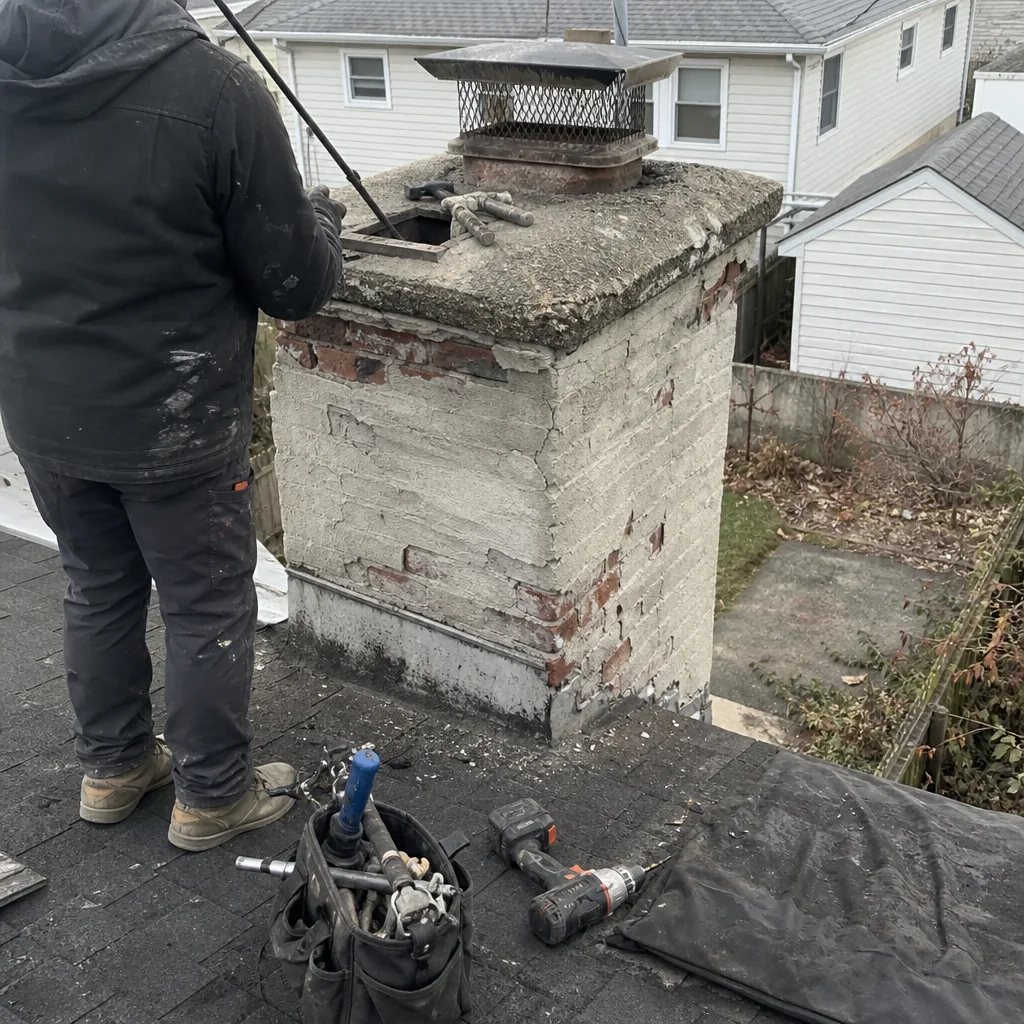 Before
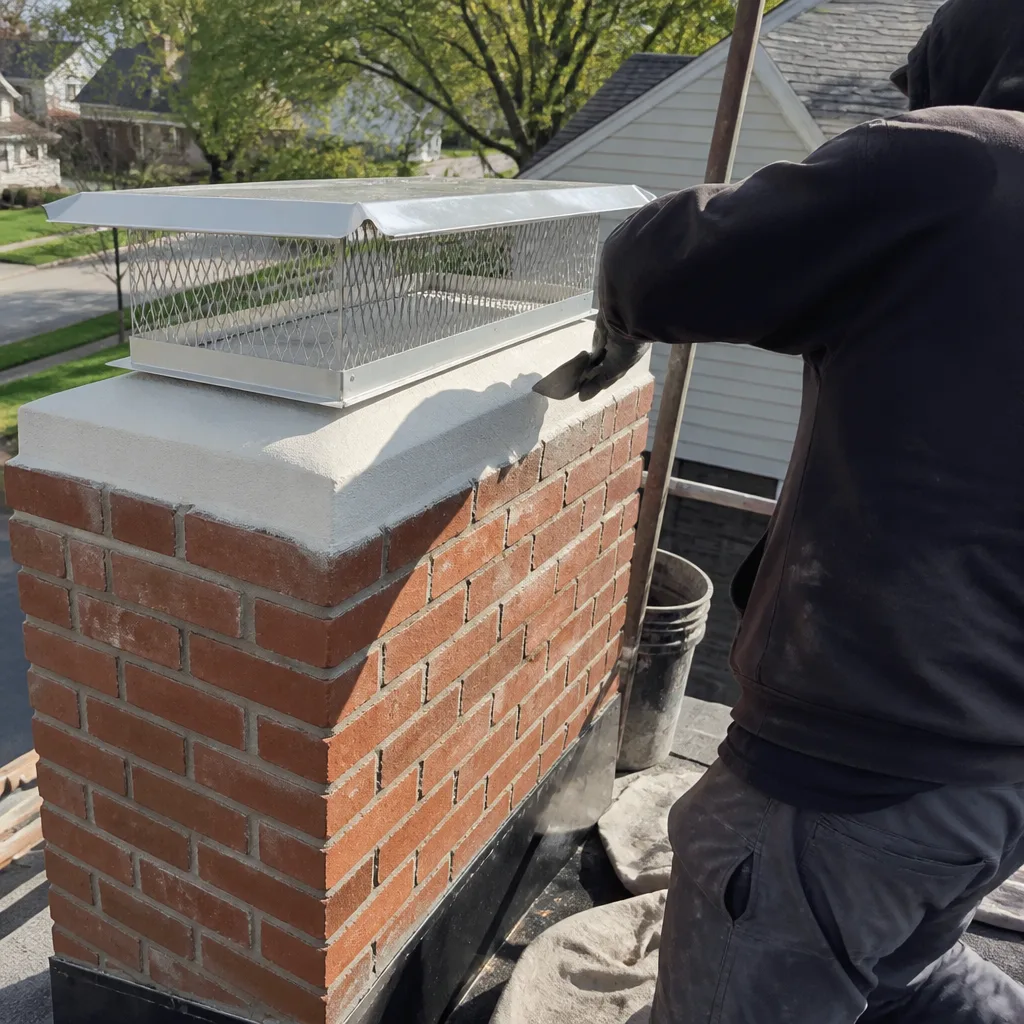 After
After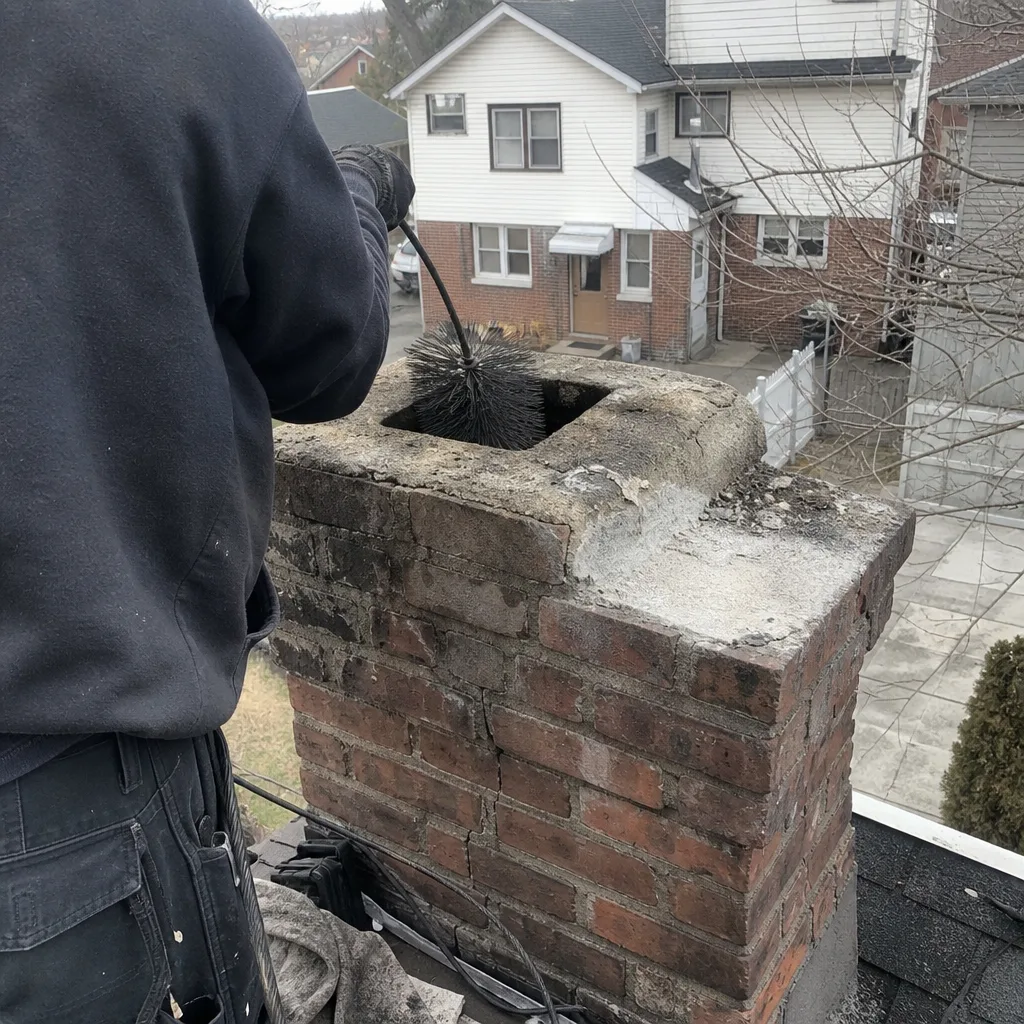 Before
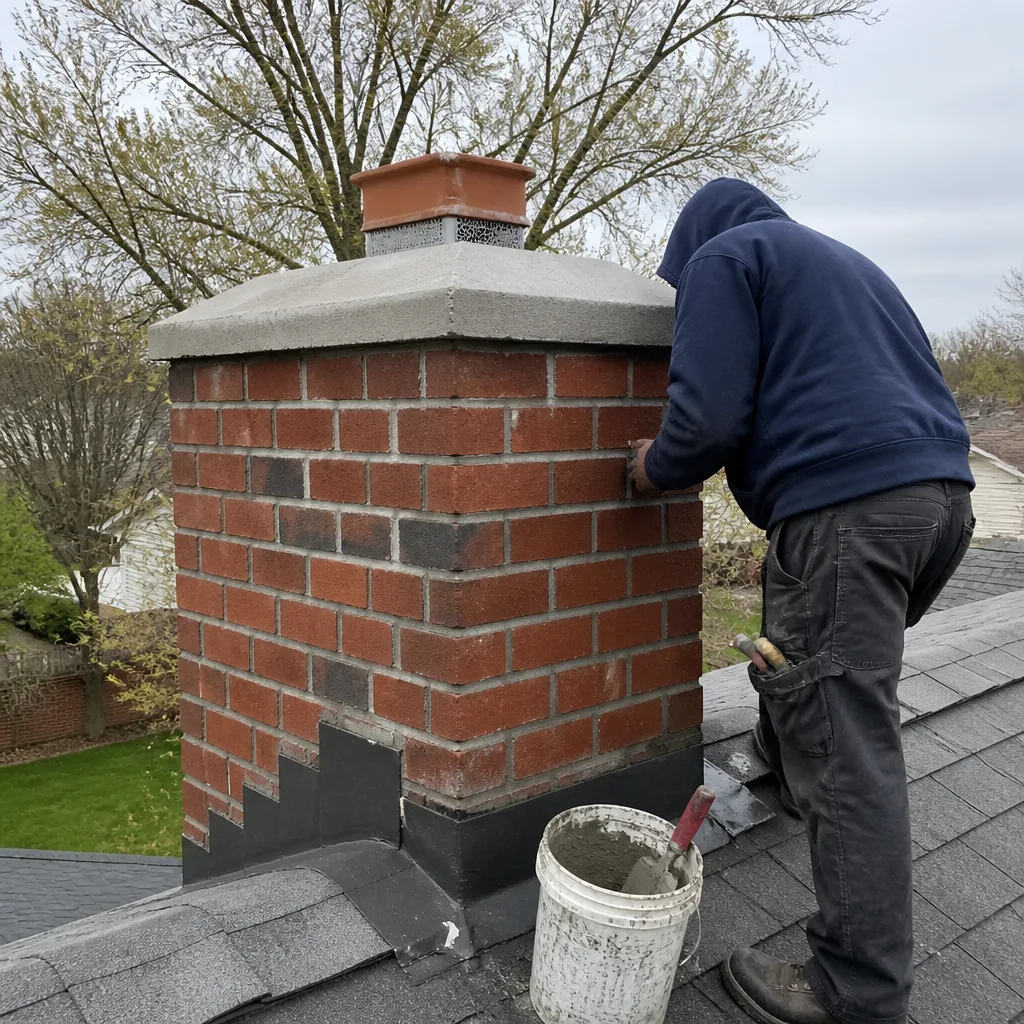 After
AfterCreosote Removal in Jamaica, NY
Our Chimney Cleaning & Sweep services for creosote removal in Jamaica, NY typically run between $199 and $599, depending on how much has built up in your flue and which removal method the condition requires. Most visits are completed in one appointment, and you’ll have a written price in hand before anyone touches the chimney. If you’d like to schedule or ask a question first, call us at (516) 240-9612 – a live person picks up around the clock.
Level Two Chimney Jamaica has been clearing creosote from flues across Queens since 2009. Every visit starts with a camera scan of the flue liner – not a flashlight look – so we know exactly what class of creosote we’re dealing with before we quote anything. That camera record is documented and yours to keep. Our Chimney Cleaning & Sweep in Jamaica service covers the full picture, and creosote removal is one of the highest-stakes parts of that work, which is why Corrine Halstead built a specific protocol around it from day one.
Jamaica’s housing stock runs heavily toward brick two-families and detached colonials, many of them built between the 1920s and 1960s. Those older clay-tile liners – common throughout South Jamaica, Hollis, and Jamaica Estates – were sized for coal and wood combustion, and they accumulate creosote at a rate that surprises homeowners who have only ever used gas logs or light fires on occasional winter weekends. The fire risk is real. Class III creosote, the glazed, tar-like stage, can ignite at temperatures a normal fire reaches easily. We see it in Jamaica flues more often than homeowners expect, and we say so plainly in the inspection report rather than leaving you to guess.
When You Need Creosote Removal
- You smell something sharp or smoky when the fireplace isn’t running. A persistent acrid odor – especially in humid months – usually means creosote is off-gassing through a hairline crack or an unsealed damper. In Jamaica’s humid summers, that smell intensifies and is one of the clearest early warnings we see.
- Smoke is rolling into the room instead of drafting up. A partially blocked flue from heavy creosote buildup restricts the chimney’s draw. If your living room is filling with smoke even with a proper fire, the flue deserves a camera look before you light another one.
- It’s been more than a year since your last cleaning. The National Fire Protection Association’s NFPA 211 standard calls for annual inspection and cleaning for any actively used fireplace. In Jamaica, where winter fires often run from November through March, one season of regular use can push a borderline flue into territory that requires chemical treatment, not just brushing.
- Your last inspector mentioned Class II or Class III creosote. Class II creosote – porous, crunchy, black – and Class III – the glazed, shiny, tar-like coating – both require methods beyond a standard brush-and-vacuum pass. If a previous report flagged either stage and the work wasn’t completed, this is urgent, not optional.
- You recently bought the home and don’t have inspection records. A significant portion of Jamaica real estate changes hands without a recent chimney inspection. We see this regularly in Hollis Hills and St. Albans, where well-maintained homes are sold by estates or long-term owners who used the fireplace for decades. No documentation means we start from scratch with a full camera scan.
- You heard a sound in the chimney that you can’t explain. A crackle, pop, or brief roar from inside the flue while a fire is burning can indicate a chimney fire underway. If that has happened, stop using the fireplace and call us before relighting. A chimney fire can deposit a thick layer of puffy, expanded creosote – called “puffed creosote” – in minutes, and it requires professional assessment before anything else.
Our Creosote Removal Process
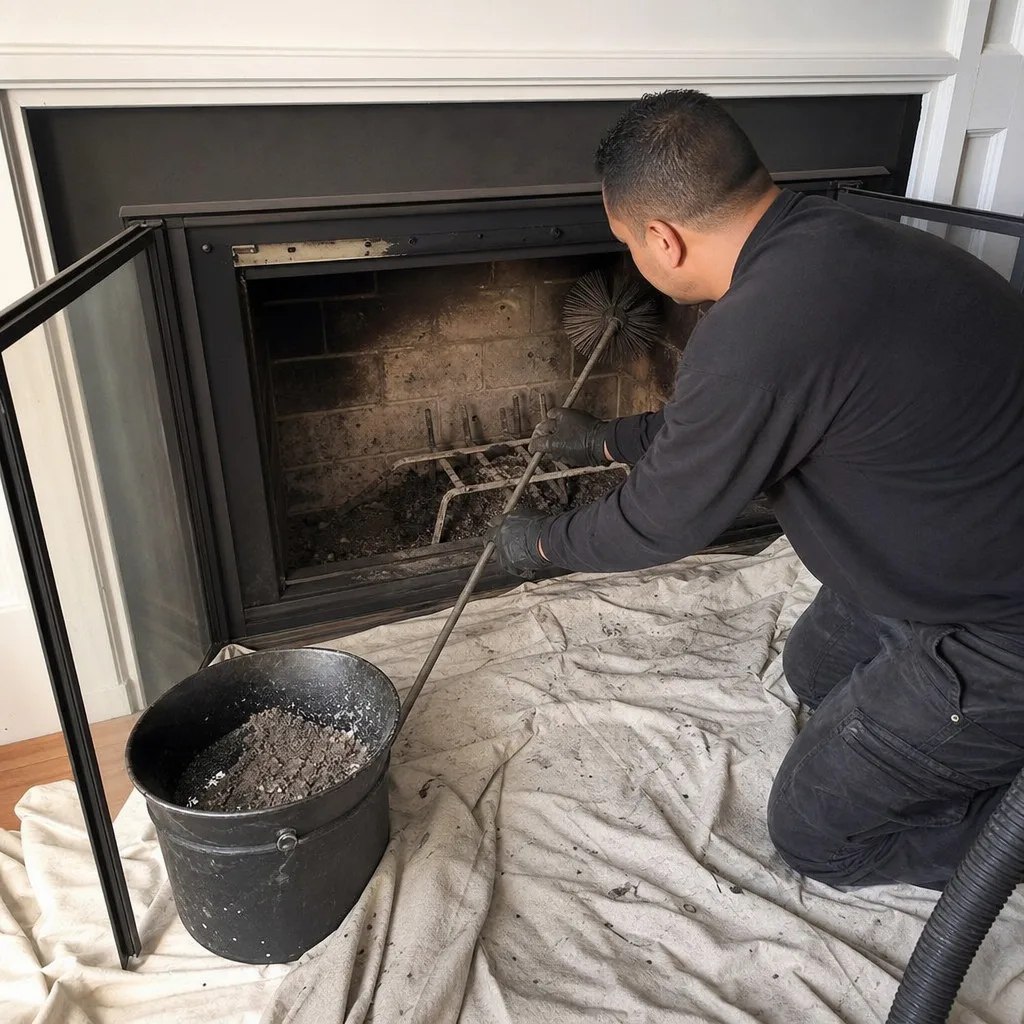
What we do in Jamaica is not the same routine every time, because creosote doesn’t present the same way every time. The steps below reflect how we work on a typical job; the written scope you receive before work starts will spell out exactly which steps apply to your flue.
-
Camera Scan and Creosote Classification (NFPA 211 Level 2)
Before any tools go into the flue, we run a camera from the fireplace up through the liner to the crown. We’re looking at liner condition, mortar joint integrity, and – most importantly – the stage of creosote present. Class I is dry and flaky. Class II is porous and black. Class III is the glazed, tar-like coating that most sweeps will tell you they can’t fully address with brushing alone. We document what we find in photos. This is Clause 4 of the Haven Standard, and it’s been our standard practice since 2009 – not something we added after a code push.
-
Written Price and Scope Before Work Begins
Once the camera is back up and we know what we’re dealing with, we hand you a written price and a written scope of work. You sign off before we start. This is Haven Standard Clause 1 – “Have it in writing” – and it’s non-negotiable on every job we do in Jamaica. No discovering a higher price when the tech is already on the roof.
-
Mechanical Brushing and Vacuum Containment
For Class I and lighter Class II deposits, rotary brushing with a HEPA-filtered vacuum running simultaneously is the right tool. We use Copperfield brush sets sized to the specific flue dimension – a 13×13 clay liner gets a different head than an 8-inch round stainless liner. All ash and debris is captured before it reaches the firebox or your living room.
-
Chemical Treatment for Class II and Class III Creosote
When the camera shows heavy Class II or any Class III glazing, brushing alone is not enough. We apply a professional-grade chemical creosote modifier – products sourced through Haven’s procurement network, which keeps our material costs honest and passes that through to the written price you receive. The modifier converts the glaze into a porous, brushable ash over a curing period, after which we return for a second pass. We explain this timeline clearly up front, including when the fireplace can be used again.
-
Post-Removal Camera Confirmation
After the removal work is complete, the camera goes back down. We’re verifying the liner walls, checking that no fresh cracks were masked by the creosote layer, and confirming the flue is clear. You get a photo record of the before and after states – both included as standard under Haven Standard Clause 4.
-
Written Summary and 365-Day Done Right Promise
The job closes with a written summary: what we found, what we did, what materials were used, and the condition of the flue now. Every creosote removal job in Jamaica is covered by our 365-Day Done Right Promise. If something we did isn’t right, we make it right – no argument, no fee. That’s in writing too.
 Before
 After
AfterCreosote Removal Pricing in Jamaica
Creosote removal in Jamaica runs between $199 and $599 for most residential jobs. Class I removal – the dry, flaky buildup a routine sweep handles – sits at the lower end of that range. Class III glazed creosote, which requires chemical treatment and a follow-up visit, pushes toward the upper end. A small number of severely neglected flues fall above $599; when they do, the written scope explains exactly why before any work starts.
Below is a plain breakdown of what moves the number:
- Creosote class: Class I adds minimal cost to a standard cleaning. Class II typically adds a chemical treatment step. Class III always requires a multi-stage process – chemical modifier, curing time, and a second mechanical pass.
- Flue height and configuration: Jamaica’s older two-family homes often have longer, offset flues than newer construction. More linear feet means more time and more material.
- Liner type and condition: A damaged clay-tile liner in a pre-war Jamaica Estates home may need a HeatShield resurfacing or a DuraFlex liner relining before creosote removal is even complete. If we find that on camera, you’ll see it in the written scope as a separate line item.
- Number of fireplaces or appliances sharing the flue system: Some Jamaica homes have a fireplace and a connected furnace flue. Each needs its own assessment.
- Follow-up visits for Class III treatment: Chemical treatment for glazed creosote requires a return appointment after the curing period. That follow-up is included in the original written price – not a surprise charge later.
We don’t offer “call for a quote” because that defeats the point. The written price is ready after the camera scan, before the first brush goes in. And if you have a competitor’s written estimate, bring it – we offer a free second opinion on any written quote, no obligation.
Call (516) 240-9612 to book or ask about pricing. The estimate is free, the price is written, and there are no surprise additions after you’ve agreed to a number.
Why Jamaica Flues Build Creosote Faster Than You’d Expect
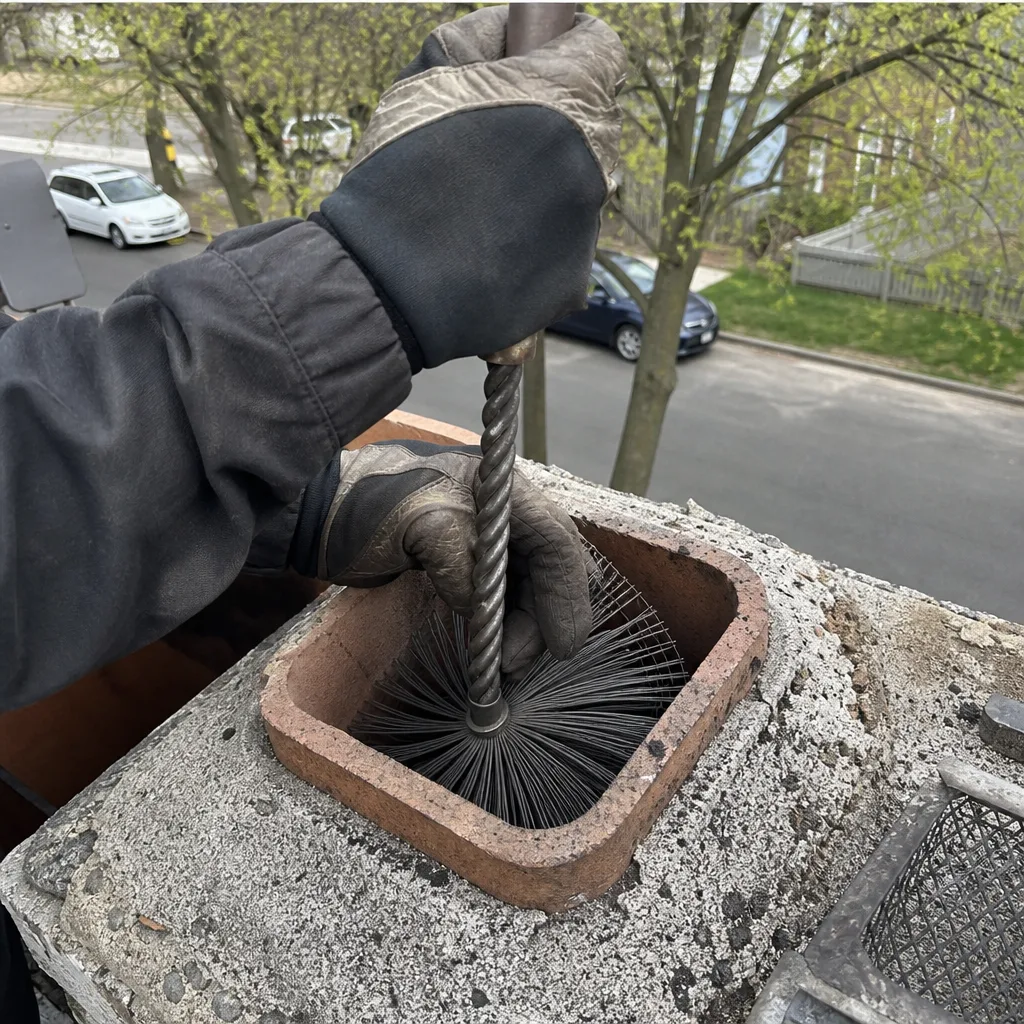
Queens winters are cold enough to keep fires burning through much of November to March, but Jamaica’s older housing stock adds a specific wrinkle. Many pre-war brick homes in areas like Baisley Pond and South Jamaica have flues that draft sluggishly because they were built before modern insulation reduced indoor air infiltration. Tight modern weatherproofing – added during energy retrofits common in the 2010s – restricts the air supply a wood fire needs to burn clean and hot. The result is smoldering fires, incomplete combustion, and creosote deposits that accumulate faster than they would in a properly air-fed system.
We also see a pattern with gas-converted homes. A fireplace that burned wood for 40 years, converted to a gas insert in the 1990s, and then had the insert removed by the current owner still carries years of embedded creosote in the liner walls. The gas era didn’t clean the flue; it just covered the problem. When that fireplace starts burning wood again, those older deposits reactivate.
None of this is unusual or alarming on its own – it’s just what the housing stock in Jamaica produces. Knowing it ahead of time means we come to a job with the right chemical treatment in the van, not a second trip scheduled after the fact.
FAQs – Creosote Removal in Jamaica, NY
How much does creosote removal cost in Jamaica, NY?
Creosote removal in Jamaica costs between $199 and $599 for most homes, with the exact number depending on the creosote class found during the camera scan and the flue’s length and configuration. Class I deposits at the low end, Class III glazed creosote at the high end. You’ll have a written price before work starts – not an estimate that shifts once the tech is already there. Call (516) 240-9612 to schedule a free camera scan and get your written quote on the same visit.
Is creosote removal the same as a chimney sweep?
Not exactly. A standard chimney sweep handles Class I creosote – the dry, flaky layer that a rotary brush clears in one pass. Creosote removal refers specifically to the process of addressing Class II and Class III deposits, which require chemical treatment, a curing period, and a follow-up mechanical pass. Every visit starts with a Level 1 Inspection camera scan that classifies what’s in your flue, so you know going in whether you need a sweep or a full removal process. The two services are priced differently and scoped in writing before either begins.
Can I use my fireplace while waiting for creosote removal?
If the camera scan showed Class I deposits and the flue is otherwise clear, a single small fire while waiting isn’t an emergency – but we’d rather you wait. If we found Class II or Class III creosote, or any liner damage, the answer is no. Lighting a fire in a flue with glazed creosote or a cracked liner is a genuine fire hazard, not a precautionary suggestion. We’ll tell you the exact answer for your specific flue in the written summary after the scan, and we’ll be direct about it rather than leaving it vague.
How long does Class III creosote removal take?
Class III glazed creosote removal in Jamaica typically requires two visits. The first visit covers the camera assessment, the written scope, and the chemical modifier application. The curing period runs roughly 14 to 30 days, depending on the product and the deposit thickness. The second visit completes the mechanical brush pass and the final camera confirmation. Total elapsed time from first visit to signed-off completion is usually three to four weeks. We explain the full timeline in the written scope before you agree to anything. Call (516) 240-9612 to get scheduled – the sooner the chemical modifier goes in, the sooner your flue is clear.
What You Walk Away With After Every Creosote Removal
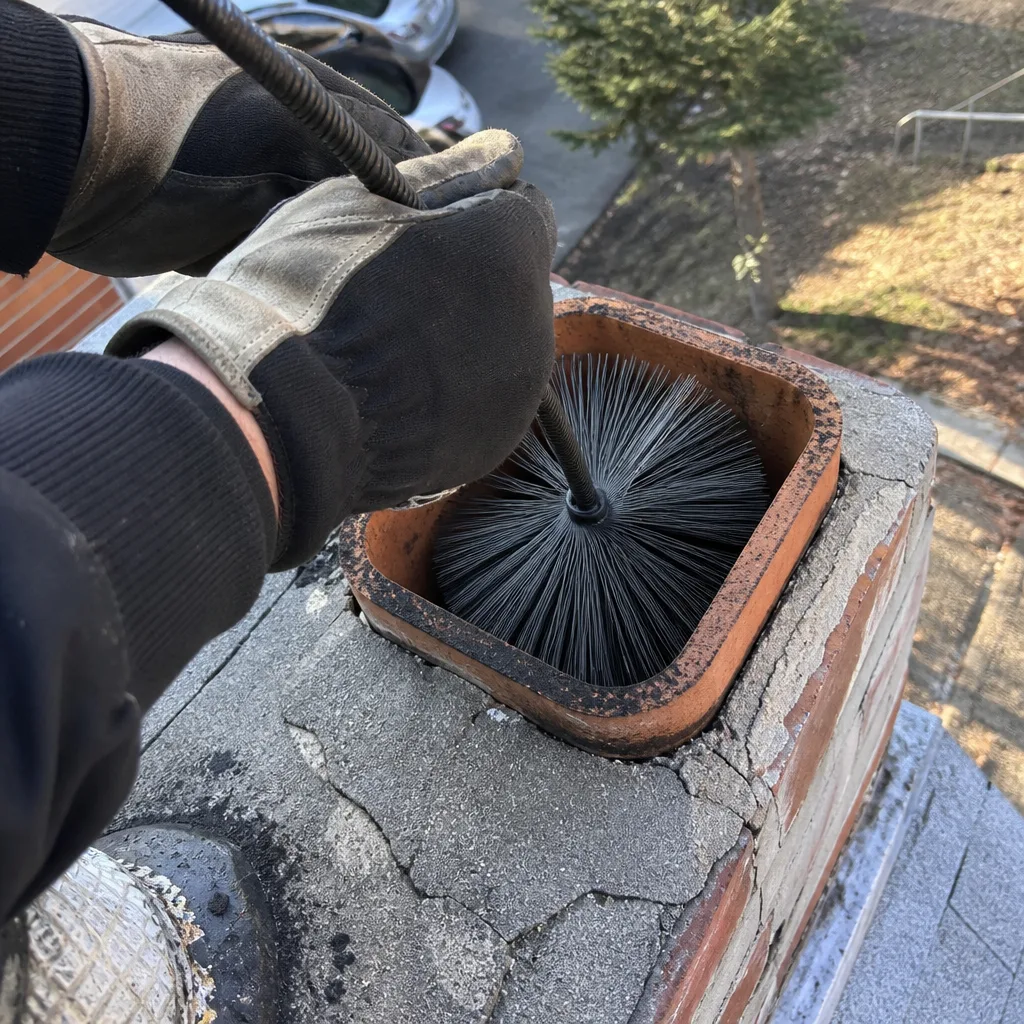
Documentation isn’t an add-on here. Every creosote removal job in Jamaica includes:
- A pre-work camera scan with photos of the liner, creosote classification noted in writing
- A written price and written scope signed before work begins (Haven Standard Clause 1)
- A documented photo record of the completed work, archived under Haven Standard Clause 4
- A written summary of materials used – including the chemical treatment product and brush type, sourced from trusted suppliers like Copperfield and HeatShield through Haven’s buying network
- A post-removal camera confirmation photo set showing the cleared liner
- The 365-Day Done Right Promise in writing, covering everything we did
That record matters when you sell the home, when your insurer asks about maintenance history, or when the next owner wants to know what was done and when. Jamaica’s real estate market moves fast, and a documented chimney history is a line item that holds up in a disclosure conversation.
Corrine Halstead set up these documentation standards at Level Two Chimney Jamaica because the inspection record is the only honest answer to “how do I know this was done right?” A verbal assurance from a tech you’ll never see again isn’t evidence. Photos and a written scope are.
Schedule Your Creosote Removal in Jamaica
If your Jamaica home has a wood-burning fireplace, a decorative hearth that occasionally sees a real fire, or a chimney that hasn’t been scoped in more than a year, the right next step is a camera scan. We’ll tell you exactly what’s in the flue, classify the creosote if there is any, and hand you a written price before we do anything else.
Level Two Chimney Jamaica serves Jamaica, Hollis, St. Albans, Jamaica Estates, South Jamaica, Baisley Pond, and surrounding Queens neighborhoods. Live phone support runs 24 hours a day. Call (516) 240-9612 to book your inspection and creosote removal estimate – there’s no charge for the estimate, and the written price is ready the same day as the camera scan.
For the full scope of what a chimney cleaning visit covers beyond creosote, see our home page or read through the details on our Chimney Cleaning & Sweep in Jamaica service page.
Written by Corrine Halstead, Owner at Level Two Chimney Jamaica, serving Jamaica.