
Level 1 sweep and inspection to the NFPA 211 annual standard - flue, crown, cap, and flashing checked and photographed
Chimney sweep logs do not sweep chimneys. They loosen some creosote - which then falls where a brush and vacuum still have to collect it.
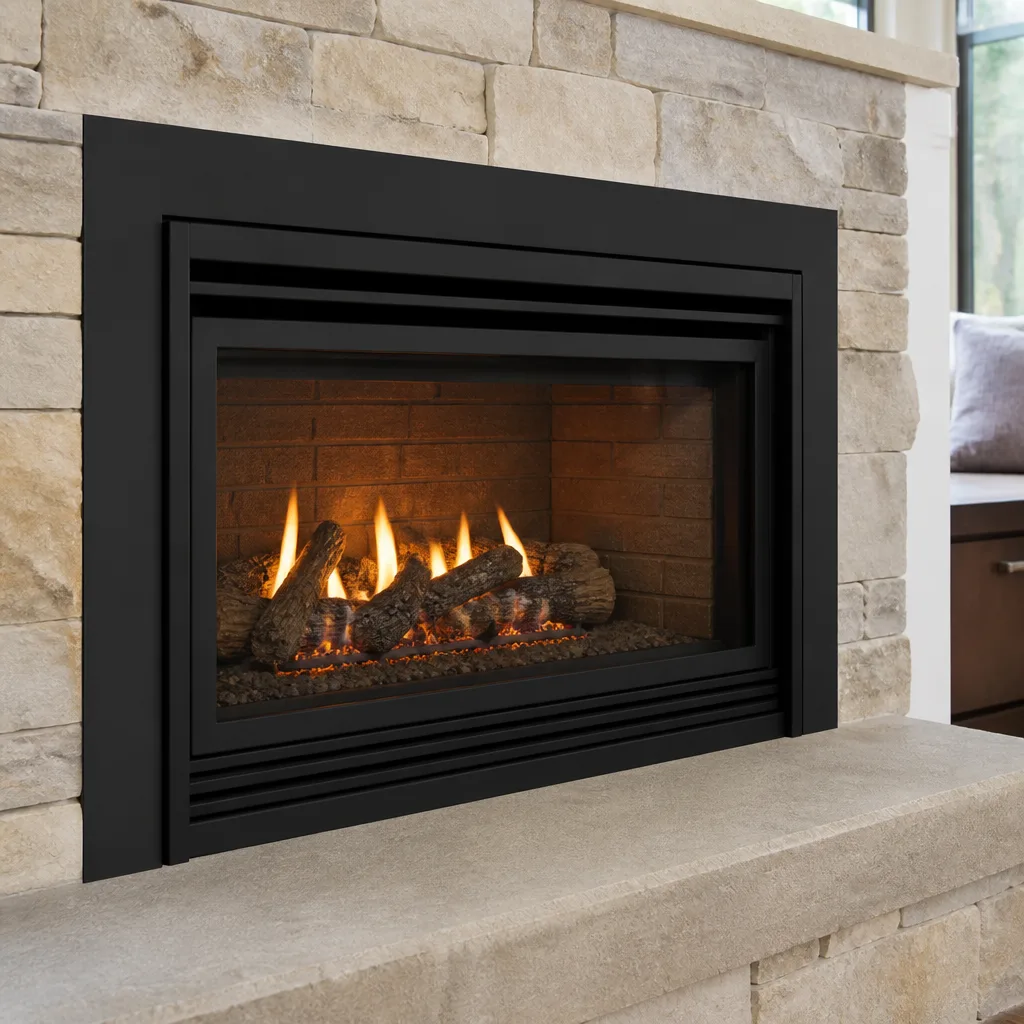
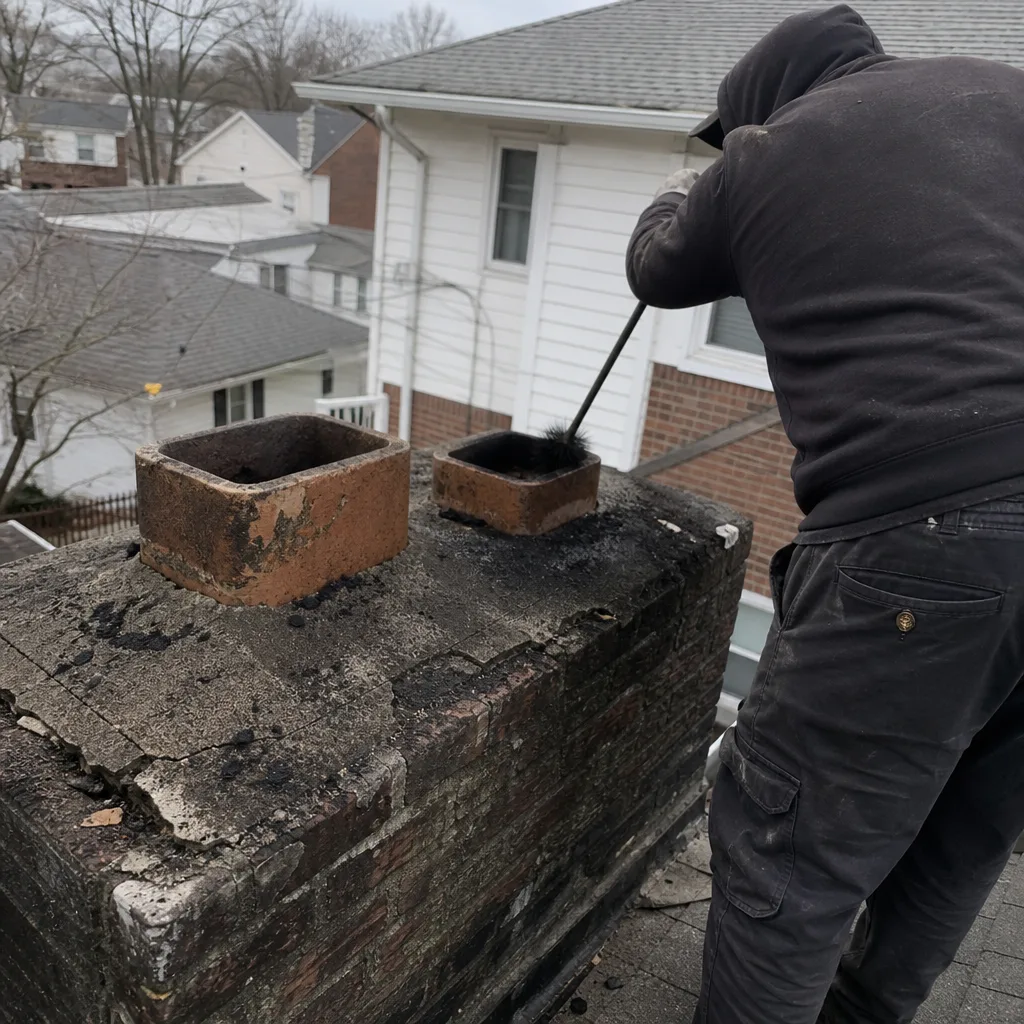 Before
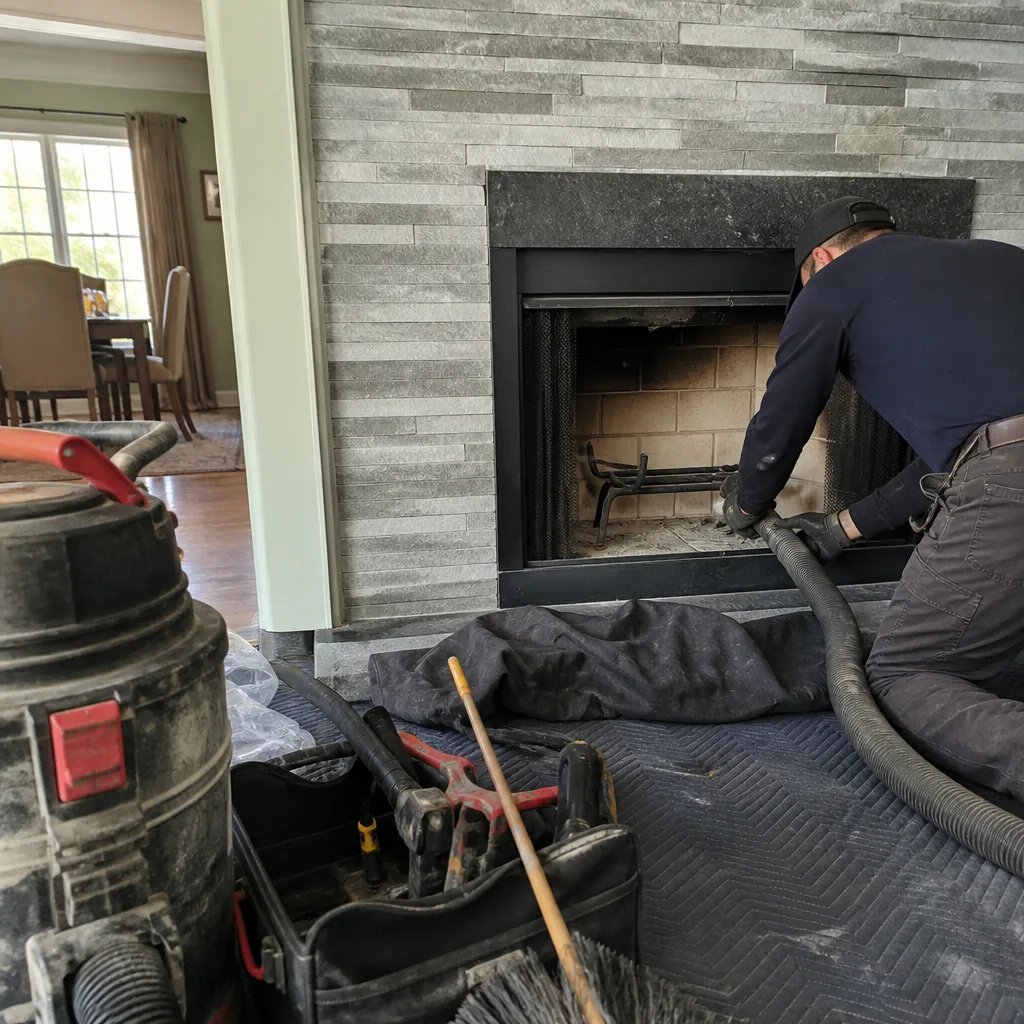 After
After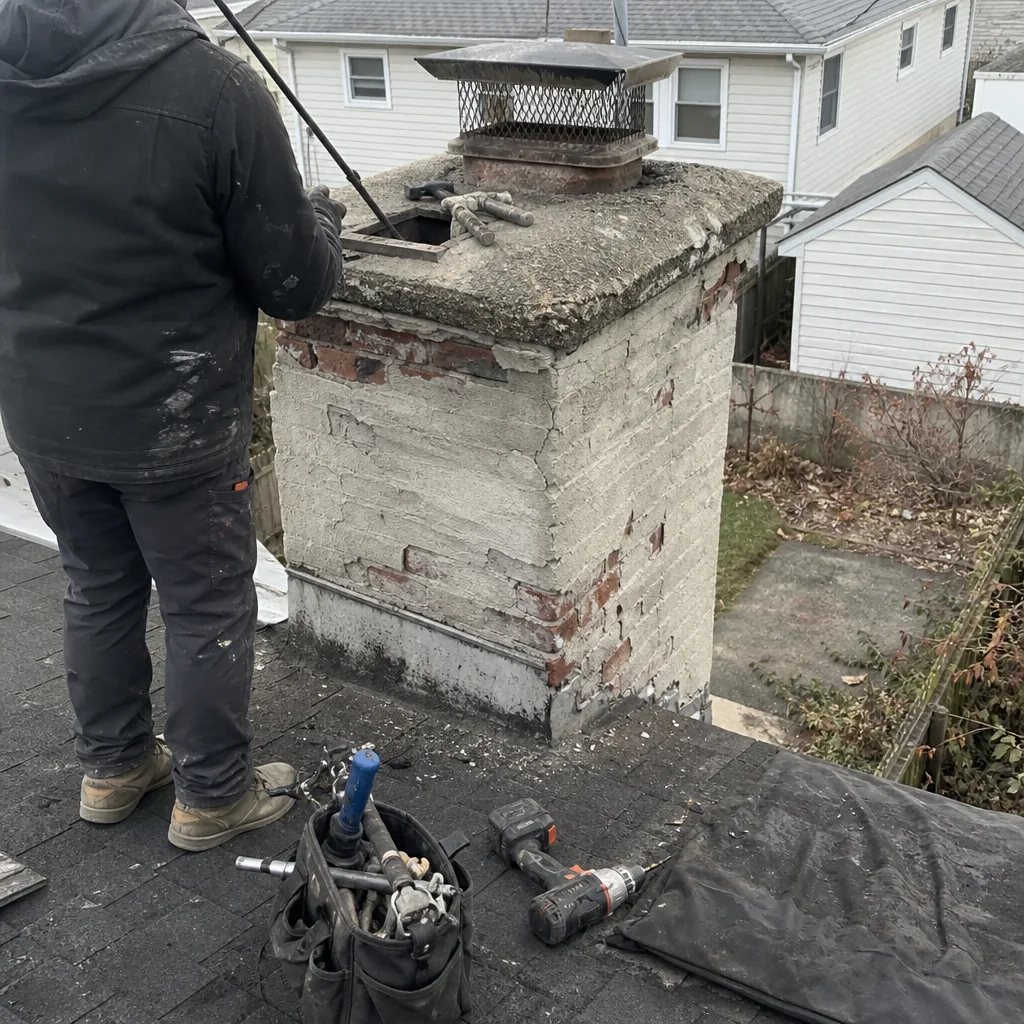 Before
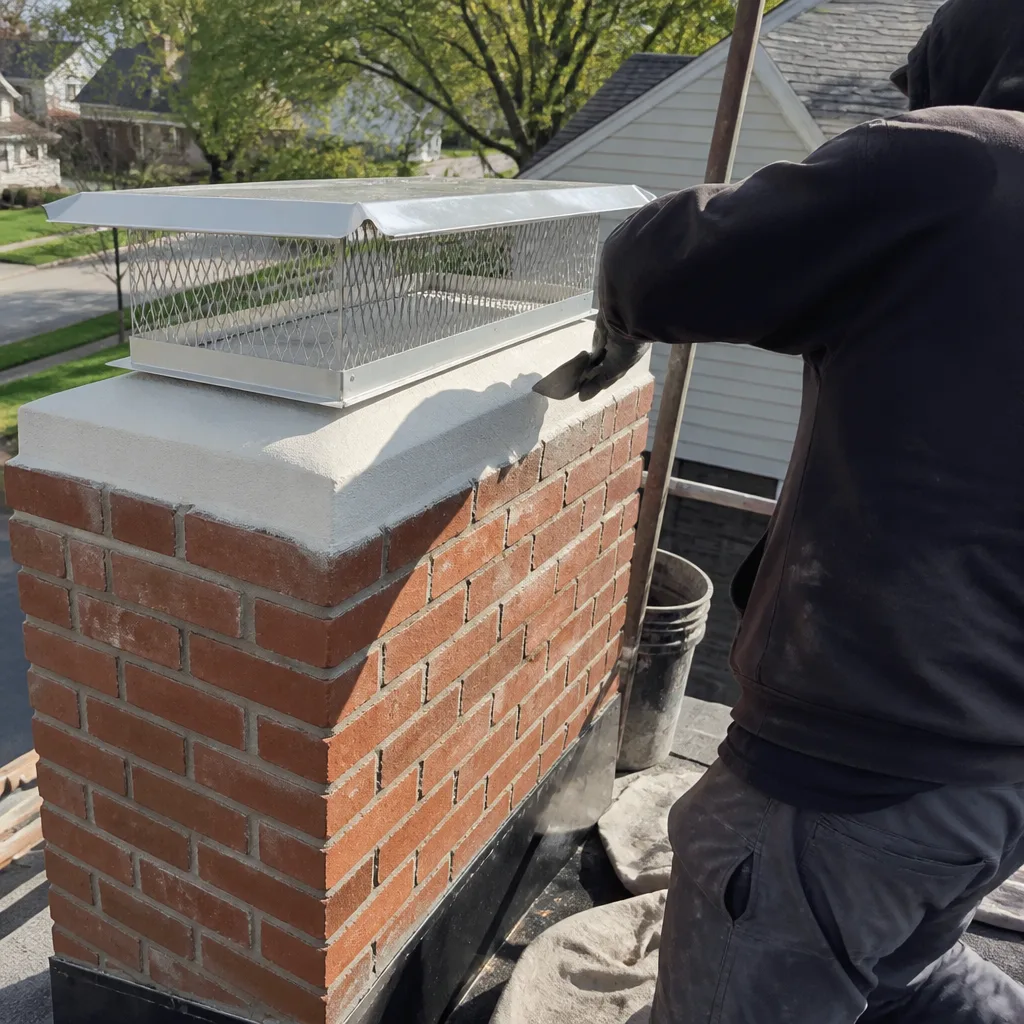 After
After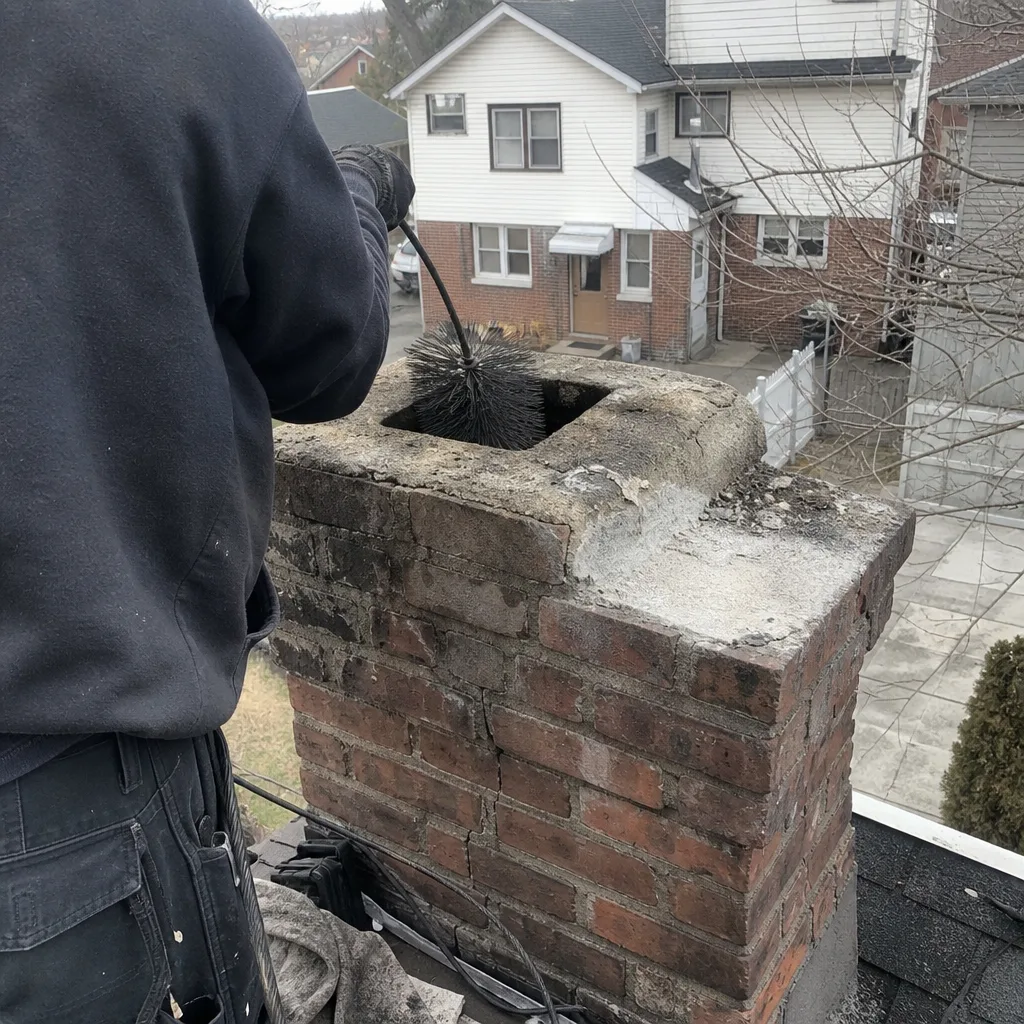 Before
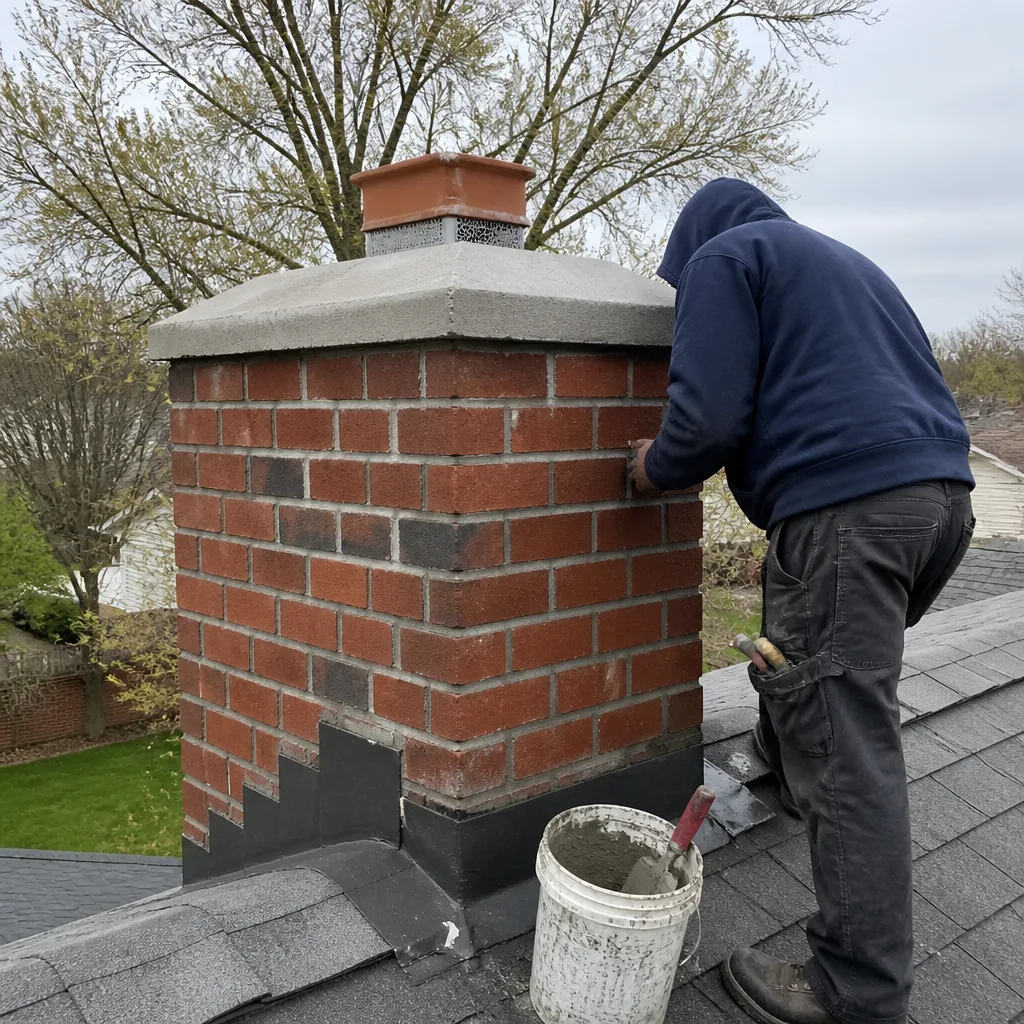 After
AfterSoot Removal in Jamaica, NY
Our Chimney Cleaning & Sweep services for soot removal in Jamaica, NY typically run between $149 and $349, depending on how much buildup is present, how accessible the flue is, and whether the fireplace has been serviced in the past few years. Most single-flue systems in Jamaica’s older row homes and detached Colonials can be cleaned and documented in a single visit – same day in most cases.
At Level Two Chimney Jamaica, soot removal is part of every Chimney Cleaning & Sweep in Jamaica visit we do. It is not an upsell, not a separate trip, and not something we quote over the phone without having looked at the flue first. We send a background-checked, uniformed technician, they run a camera down the flue (NFPA 211 Level 2 protocol), and you get a written price before anyone picks up a brush. That written price, the photo record, and the scope of work are yours to keep – under Clause 4 of the Haven Standard, that documentation is standard on every job we complete.
If you want an exact number before booking, call (516) 240-9612 – a live person answers 24/7, not a voicemail.
When You Need Soot Removal
Soot is the fine black carbon residue that every wood or gas fire leaves behind. At low levels it is cosmetic. At higher levels it starts to affect draft, corrode the flue liner, and in some cases transition into Class II or Class III creosote – the glossy, tar-like deposit that the NFPA considers a serious fire hazard. Jamaica’s housing stock skews toward pre-1980 construction, and older flues tend to accumulate soot faster because the tile liner dimensions are often narrower than current standards recommend.
You probably need soot removal if any of these describe your situation:
- Smoke backs into the room when you open the damper. A soot-restricted flue reduces the draft area. Jamaica homes with fireplaces facing north – common in the Richmond Hill and South Jamaica sections – often see this in December and January when cold air from the north sits heavy over the stack.
- You notice a persistent smoky or acrid smell even without a fire lit. Soot absorbs moisture, and humid summers in Jamaica make that smell migrate through the firebox and into living spaces.
- You haven’t had the chimney cleaned in more than a year and the fireplace gets regular use. The Chimney Safety Institute of America recommends annual cleaning for any actively used fireplace – Jamaica’s year-round humidity accelerates oxidation of soot deposits.
- You can see black staining on the firebox walls, the smoke shelf, or above the damper plate. Visible staining at the smoke chamber level usually indicates more significant buildup higher in the flue than what’s visible to the naked eye.
- You’re preparing to sell or refinance the home. Home inspectors in Queens routinely flag uncleaned chimneys. A written Level 2 report and photo record from Level Two Chimney Jamaica gives your listing documentation that holds up.
- The last sweep was done without a camera inspection. A flashlight look at the firebox opening is not the same as a camera scan. If your previous company didn’t go past the smoke shelf with a camera, you don’t actually know what’s in the flue.
Our Soot Removal Process
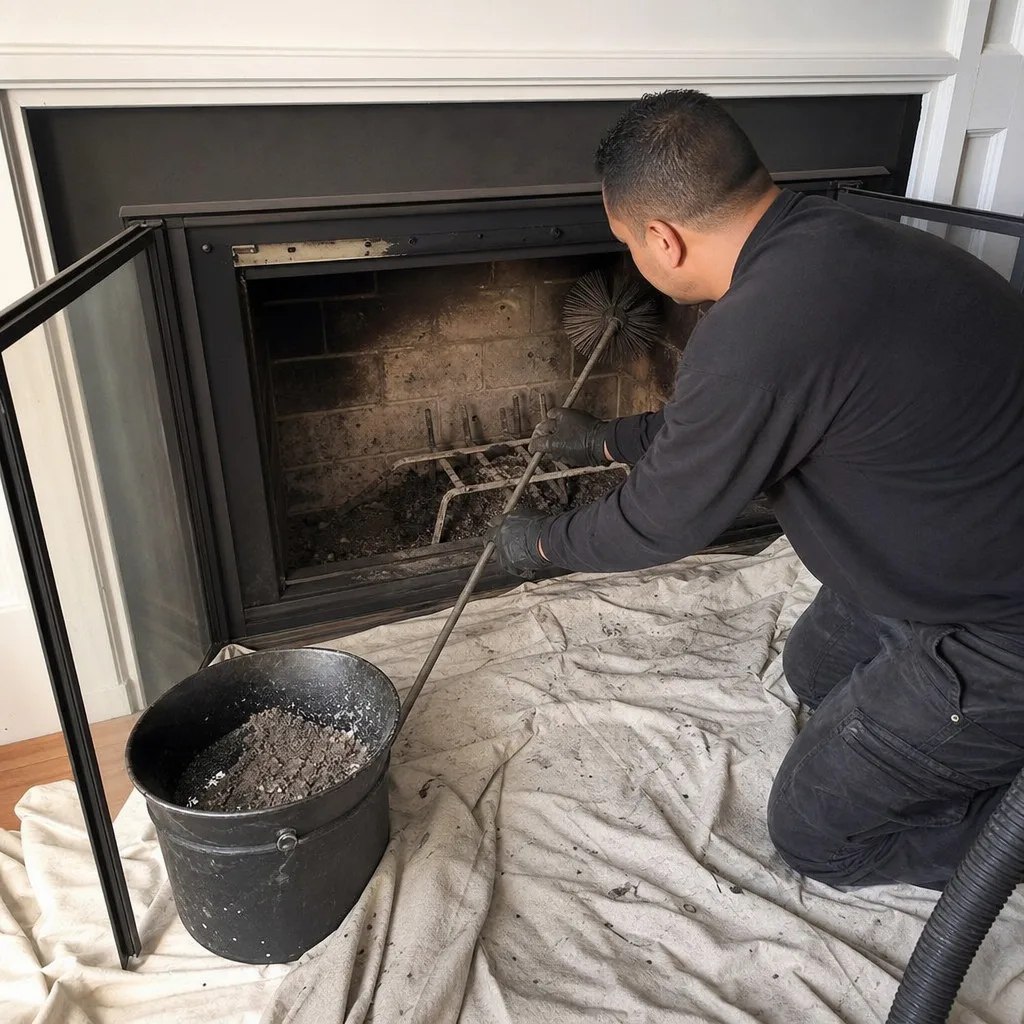
We follow the same documented process on every job. The steps below aren’t aspirational – they’re what actually happens on the day, in order.
- Camera scan before anything else. The technician lowers a camera through the full length of the flue – from the crown to the smoke chamber – and records the footage. This tells us exactly how much soot is present, whether there’s any secondary creosote formation, and the condition of the liner itself. You see what the camera sees. Findings are logged as part of the documented photo record required under Haven Standard Clause 4.
- Written price delivered before work begins. Once we know what the flue contains, we write the price, scope, and warranty on paper (or digitally, whichever you prefer) and hand it to you. Under Haven Standard Clause 1, no technician starts work until that document is signed. No surprises after the fact.
- Fireplace and surrounding area protected. We lay drop cloths over the hearth and surrounding floor, seal the firebox opening with a dust barrier, and use HEPA-filtered vacuum equipment to create negative pressure inside the flue. Jamaica homes often have hardwood floors and older tile surrounds that don’t need soot tracked across them.
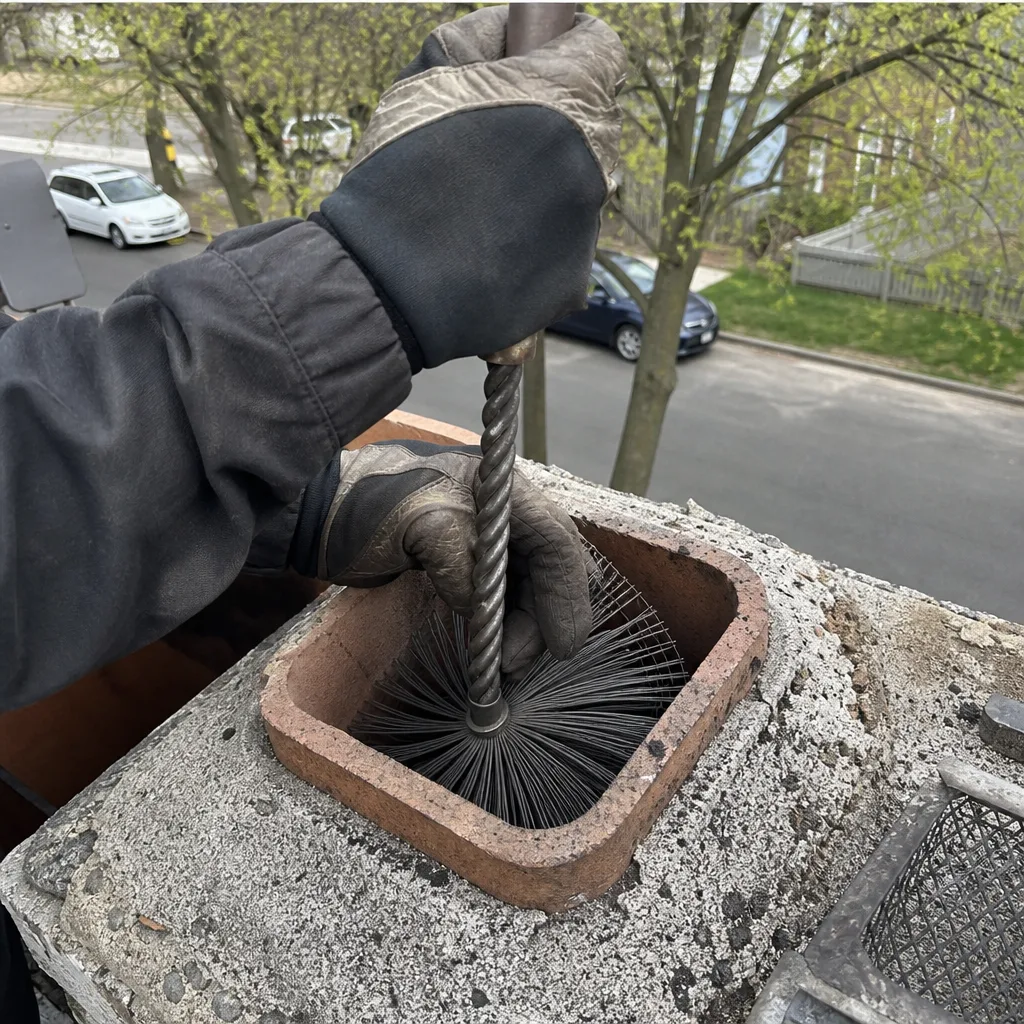
- Flue brushed from top to bottom. Using rotary or hand rods fitted with the correct brush diameter for your specific liner size, the technician works from the crown down through the smoke chamber. For stubborn deposits near the smoke shelf – a common problem in Jamaica’s double-story Colonials where the flue makes a sharp angle – we use Copperfield rods and brush sets sized to the liner so nothing gets left behind in the corners.
- Smoke chamber and firebox detailed. The smoke chamber is where soot accumulates in pockets that a top-down brush alone won’t reach. We clean it separately with hand tools, then clear the smoke shelf and damper plate. If we find signs that soot has hardened into Class II creosote during this step, we document it and explain what the options are before anything else happens.
- Post-cleaning camera confirmation and photo record. After cleaning, the camera goes back down. You get before-and-after footage confirming the liner is clear, plus a written summary of what was found, what was removed, and the condition of the flue liner and crown at close of job. That record is yours permanently – useful for insurance, resale, and your own records.
 Before
 After
AfterSoot Removal Pricing in Jamaica
Soot removal in Jamaica costs between $149 and $349 for a standard single-flue system when the buildup is within normal range for a fireplace that’s been used regularly – see How Much Does Chimney Cleaning & Sweep Cost? (2026 Price Guide) - Jamaica, NY for full details. That range includes the Level 2 camera scan, the cleaning itself, and the documented photo record – not as line-item add-ons, but as part of the base service.
A few things affect where your job lands in that range:
- Time since last service: A flue that hasn’t been cleaned in three or more years typically carries heavier deposits. Heavier deposits take longer to clear, which affects the price.
- Flue length and configuration: Jamaica’s taller attached homes and semi-detached two-families often have longer flue runs than single-story houses. More linear feet means more time and brush passes.
- Creosote classification: If the camera identifies Class II creosote (tar-like, flaky, or glaze-forming deposits) in addition to ordinary soot, removal becomes a more involved chemical or mechanical process. That’s priced separately, explained in writing before we proceed, and never added to the invoice without your approval. Class III creosote – the hard, glazed deposit – requires specialized treatment and is quoted at a different rate entirely.
- Accessibility: Tight fireplace openings, offset smoke chambers, or deteriorated damper assemblies that need to be worked around all add time.
- Second fireplace or insert on the same visit: If you have a second wood-burning appliance, adding it to the same visit typically costs less per unit than scheduling a separate trip.
Every estimate is written, itemized, and delivered before any work starts. If you’ve already received a written quote from another company, bring it to us – we offer a free second opinion on any written estimate, no conditions attached.
Call (516) 240-9612 to schedule. Estimates are free, the price you’re quoted is the price you pay, and you’ll have it in writing before the technician lifts a brush.
Why Jamaica Homeowners Call Level Two First
We’ve completed more than 38,000 chimney inspections and cleanings since 2009, every one with a written price before work started and a documented record on completion. That practice – camera documentation as the default, not the exception – started at Level Two before regulators or insurers were asking for it.
Jamaica’s housing market rewards documentation. If you’re in a cooperative-heavy corridor near Sutphin Boulevard or own a detached home in the 11434 or 11435 zip codes, a written Level 2 report with before-and-after camera footage is the kind of record that holds up when a co-op board, a buyer’s inspector, or a homeowner’s insurance adjuster asks questions.
A few things that are specific to how we operate:
- A named technician is assigned to your job, and you get a text when they’re on the way – not a two-hour window and a guess.
- All technicians are background-checked and uniformed. License information is on the page.
- The 365-Day Done Right Promise means that if anything about the job isn’t right, we come back and make it right at no charge – stamped on every job under the Haven Standard.
- Materials, when needed, come from suppliers including DuraFlex and Copperfield, procured through Haven’s buying network specifically to keep pricing honest.
- Live phone support runs 24 hours a day, 7 days a week. If you call at 11pm because you lit a fire and noticed something wrong, a person answers.
This is what the Level Two Chimney Co. standard looks like in practice – not a list of promises, but a documented process you can hold us to.
FAQs – Soot Removal in Jamaica, NY
Is soot in a chimney actually dangerous, or just messy?
Soot at low levels is mostly a cleanliness and draft issue – but it does not stay at low levels without maintenance. Left in place, soot absorbs moisture and oxygen and can oxidize into Class II creosote, which is both harder to remove and significantly more flammable. The NFPA’s 211 standard exists because flue fires have been traced to creosote buildup that started as ordinary soot. In Jamaica’s older housing stock, where tile flue liners are sometimes cracked or offset, a soot buildup also creates a direct path for heat to reach combustible framing. Call (516) 240-9612 if you haven’t had the flue inspected in the past year – the camera scan tells you exactly what you’re dealing with.
How much does soot removal cost in Jamaica, NY?
Soot removal for a standard single-flue fireplace in Jamaica runs $149 to $349, depending on how long since the last service, the flue length, and whether any secondary creosote is present. That price includes the Level 2 camera scan and the documented photo record – those are not add-ons. If the camera finds Class II or Class III creosote, we write a separate price for that before anything changes. Call (516) 240-9612 for a free estimate – we’ll quote it in writing before sending anyone out.
How often should a chimney be cleaned for soot in Jamaica?
An Annual Sweep is the standard recommendation for a fireplace used regularly through the heating season – roughly October through March in Jamaica. If you burn green or unseasoned wood, which produces soot faster than kiln-dried cord wood, twice a year is reasonable. If you haven’t had a cleaning in more than two years and the fireplace has been used, schedule one before the next fire season starts. Soot from the prior season does not dissipate on its own; it compacts and oxidizes over the summer months.
Can I remove chimney soot myself?
The firebox walls and visible portions of the smoke shelf can be wiped down by a homeowner with the right protective gear – but that’s a small fraction of where soot actually accumulates. The flue liner, smoke chamber, and areas above the damper plate are not accessible without professional brushing equipment and, critically, a camera to confirm the work is complete. More to the point: if you’re cleaning soot yourself without a camera scan first, you have no way to know whether what you’re looking at is ordinary soot or early-stage creosote, or whether the liner itself is sound. A camera scan before any cleaning is the only way to make that call accurately. We do that as part of every visit.
What’s the difference between soot and creosote?
Soot is the dry, powdery black carbon deposit that every fire produces – it brushes out easily and is the target of a standard chimney cleaning. Creosote is what soot becomes when incomplete combustion byproducts condense on a cool flue surface: it progresses from a dusty brown film (Class I) to a tar-like flaky deposit (Class II) to a hard, glazed coating (Class III). Class III creosote is extremely difficult to remove and burns at temperatures high enough to damage clay tile liners. The camera scan we run at the start of every job distinguishes soot from each creosote class, so the scope of work – and the price – reflects what’s actually there.
If your Jamaica home’s chimney hasn’t been serviced in the past year, or you’ve noticed any of the symptoms above, search Chimney Cleaning & Sweep Near Me in Jamaica, NY or call (516) 240-9612. A live person answers around the clock. We’ll get a camera in the flue, give you a written price, and have the documentation in your hands the same day the work is done.
Written by Corrine Halstead, Owner at Level Two Chimney Jamaica, serving Jamaica.