
Last updated September 20, 2026
Level 1 sweep and inspection to the NFPA 211 annual standard - flue, crown, cap, and flashing checked and photographed
Chimney sweep logs do not sweep chimneys. They loosen some creosote - which then falls where a brush and vacuum still have to collect it.
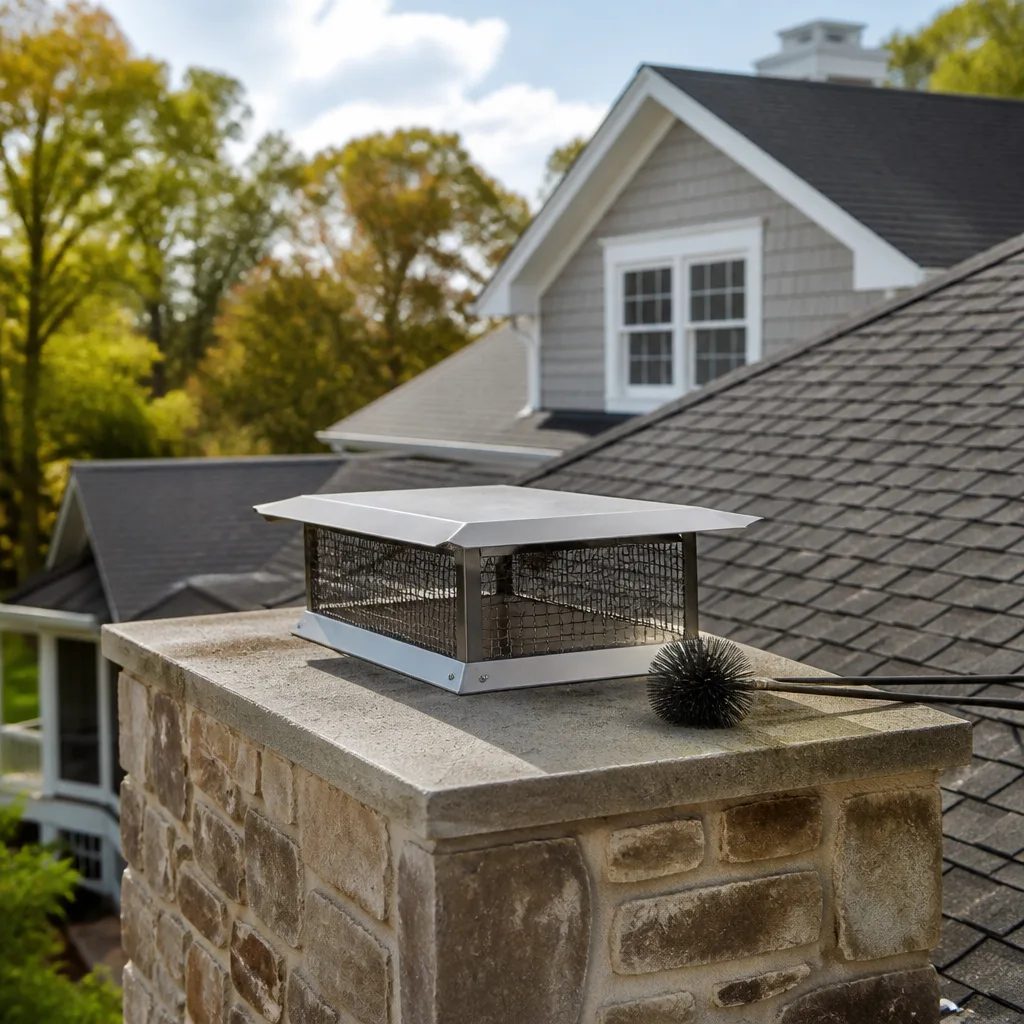
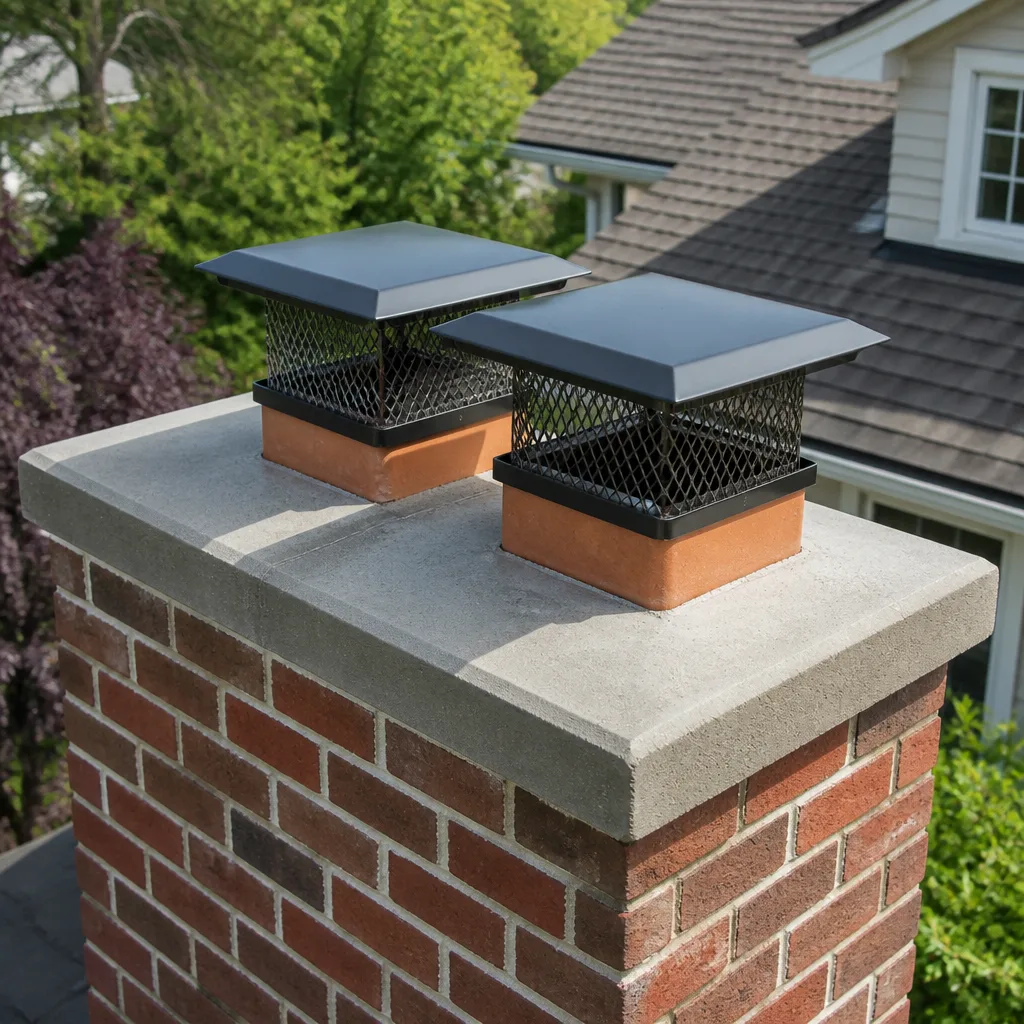
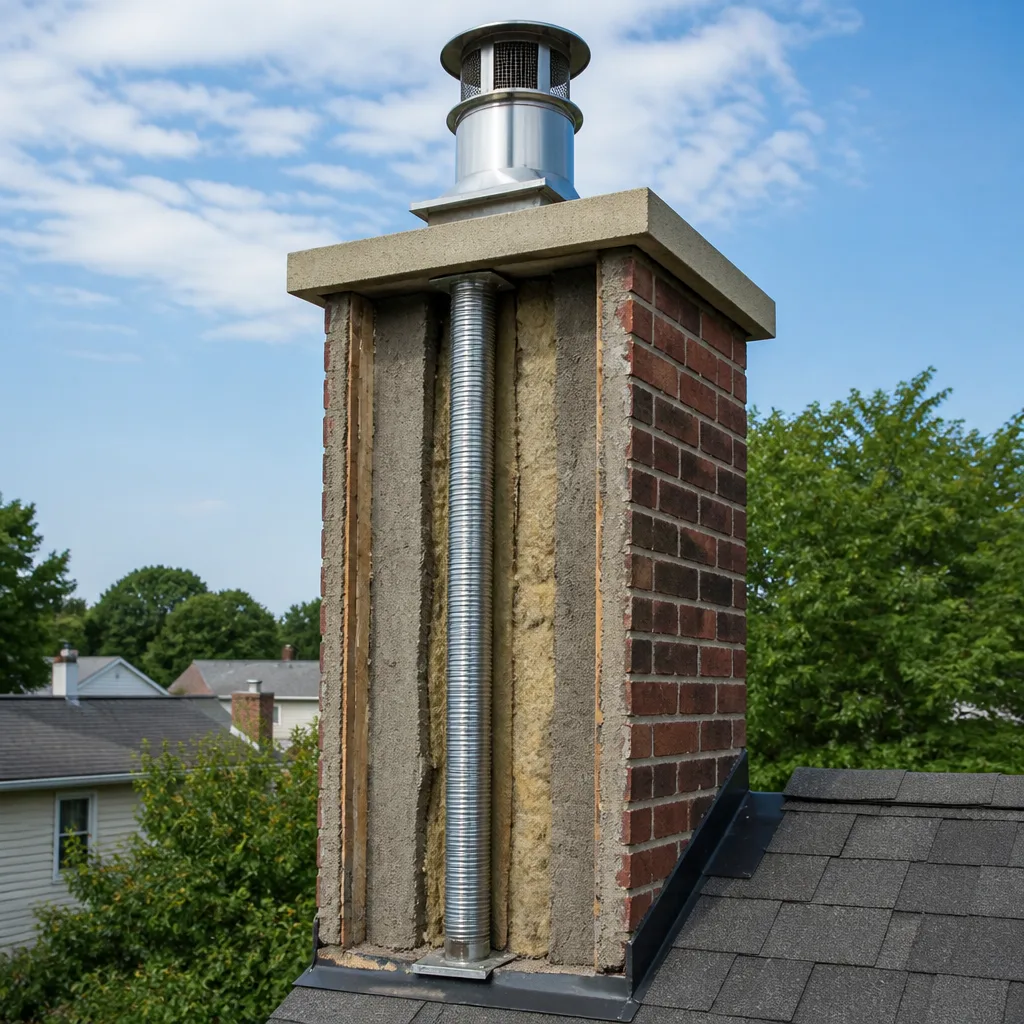
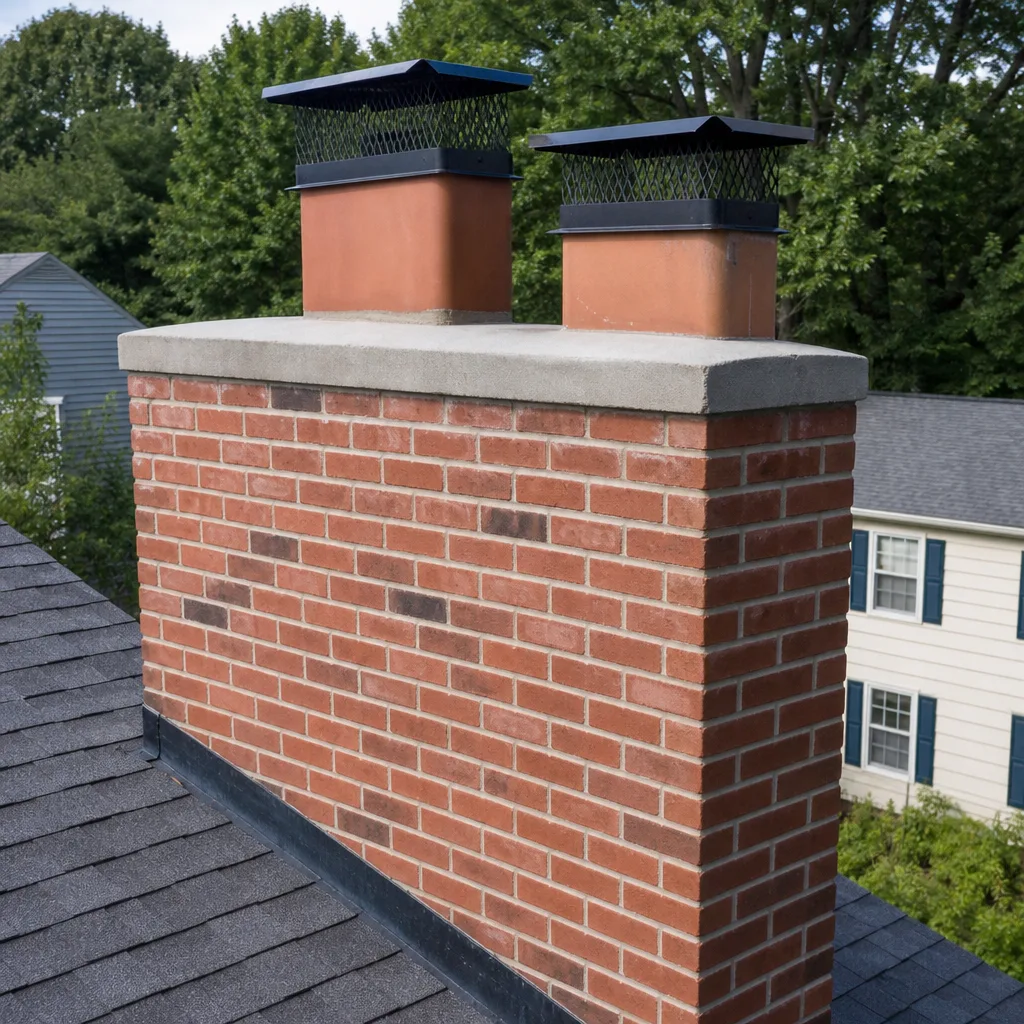
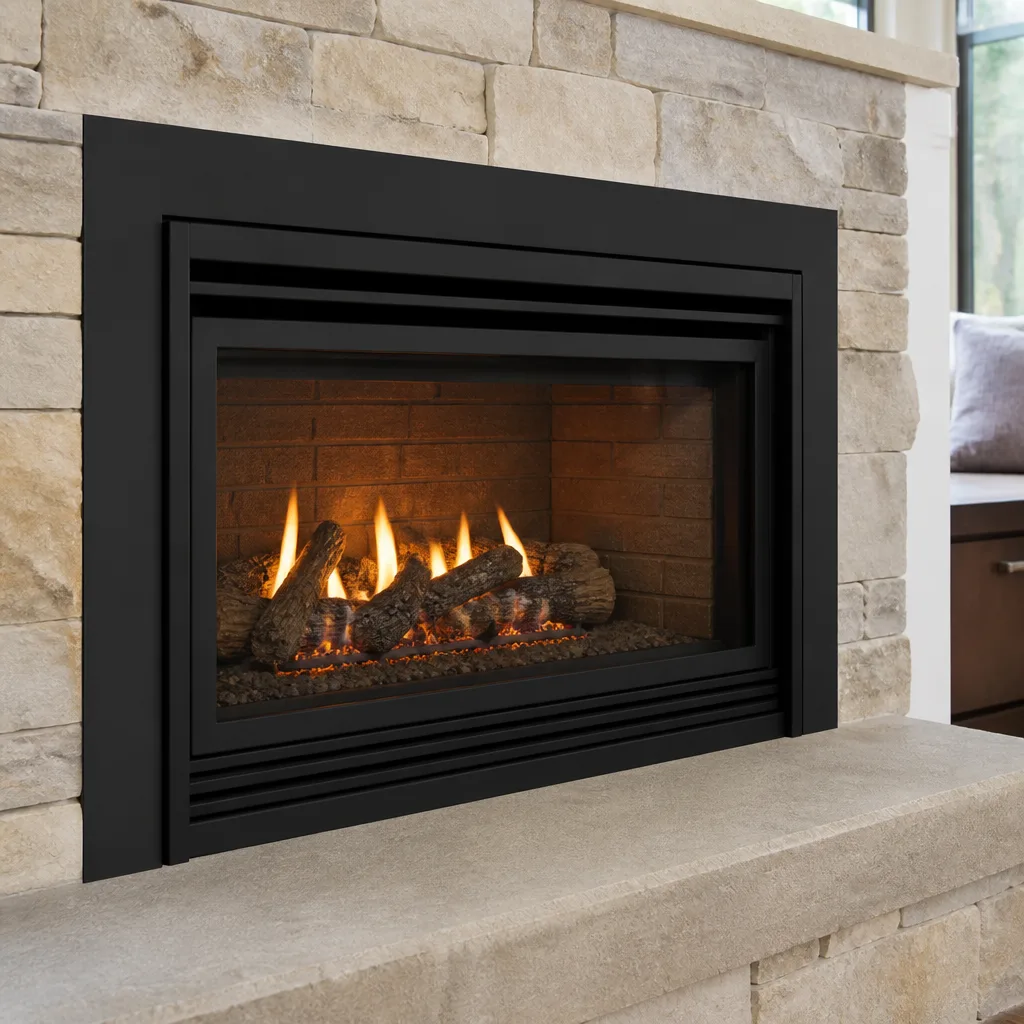
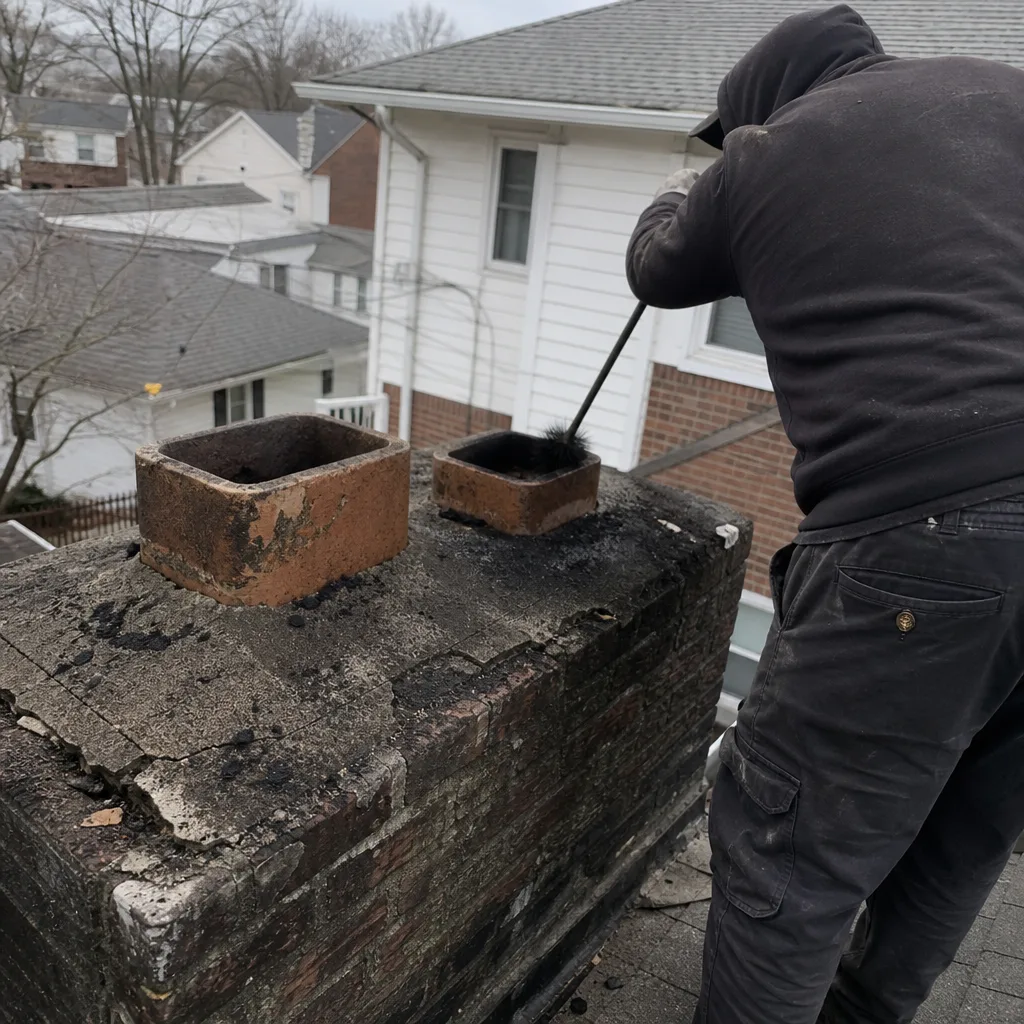 Before
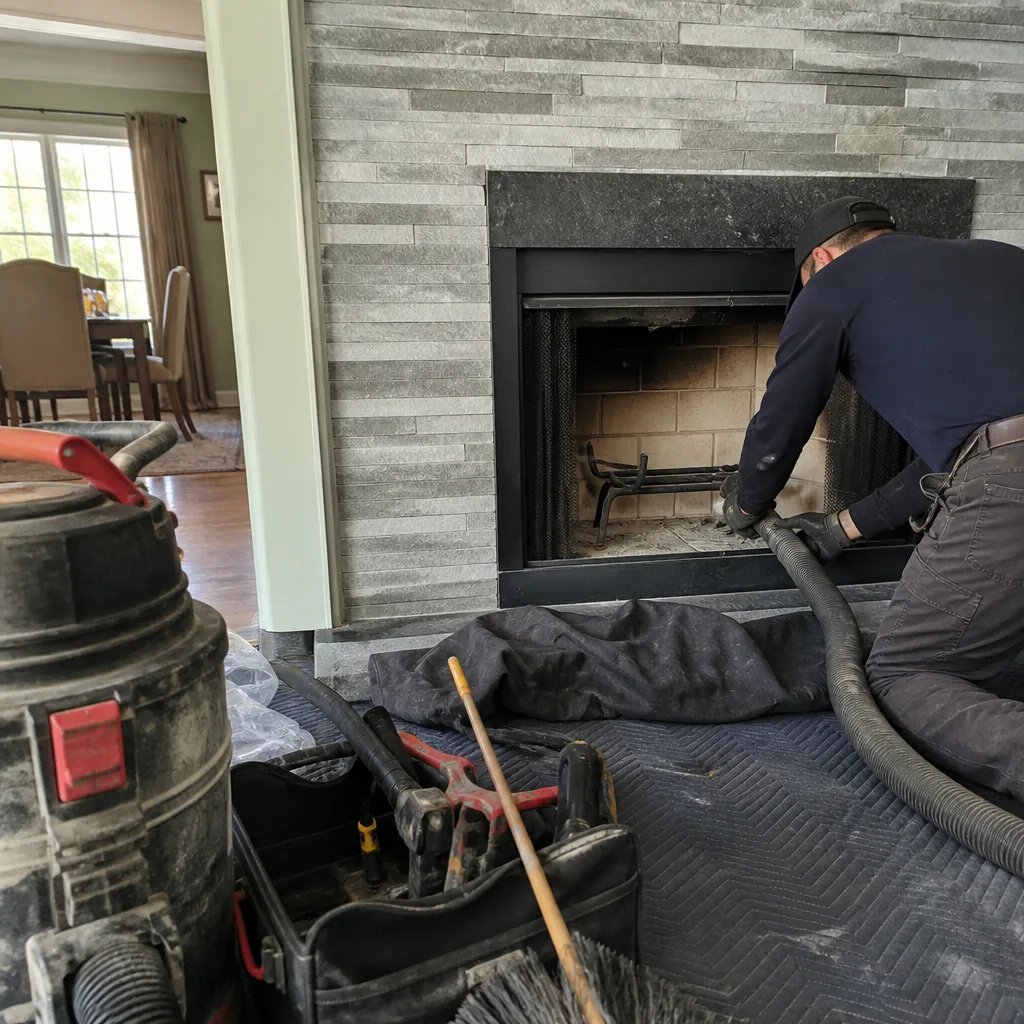 After
After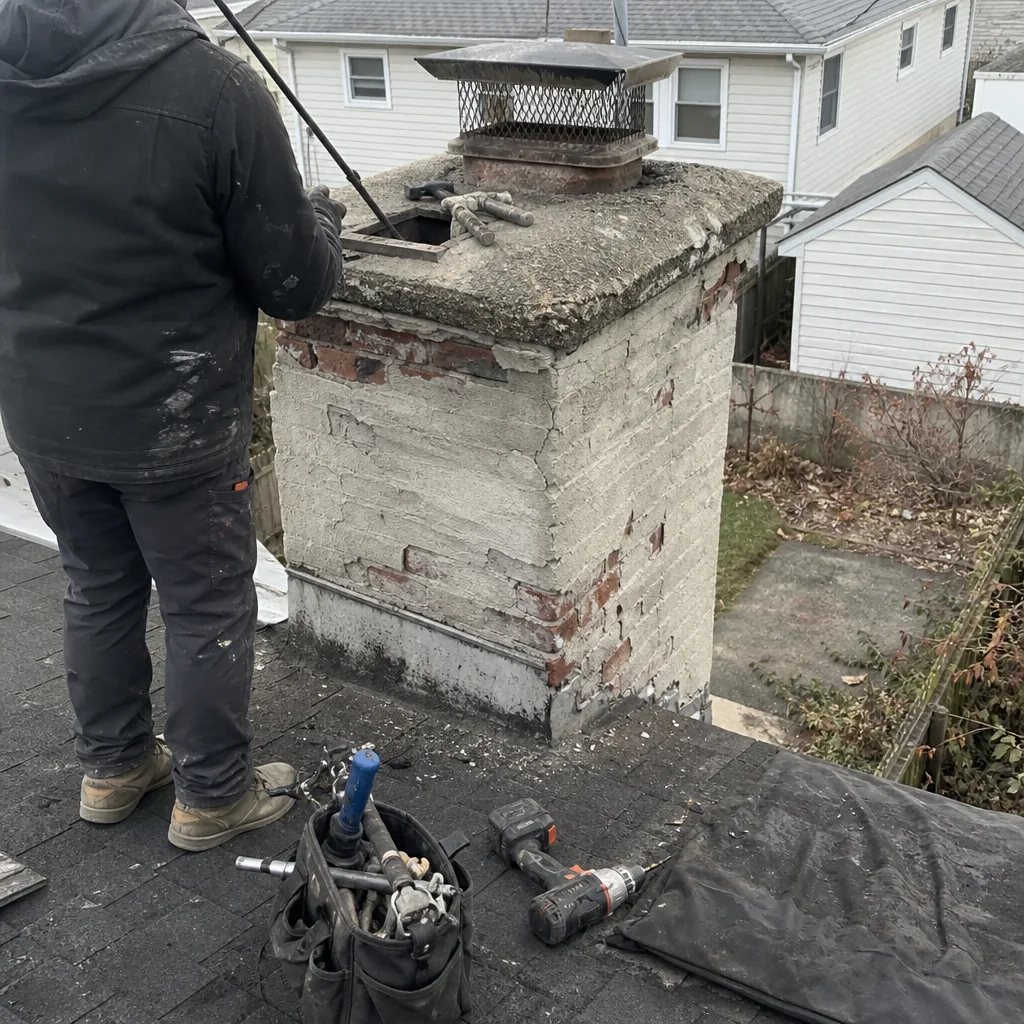 Before
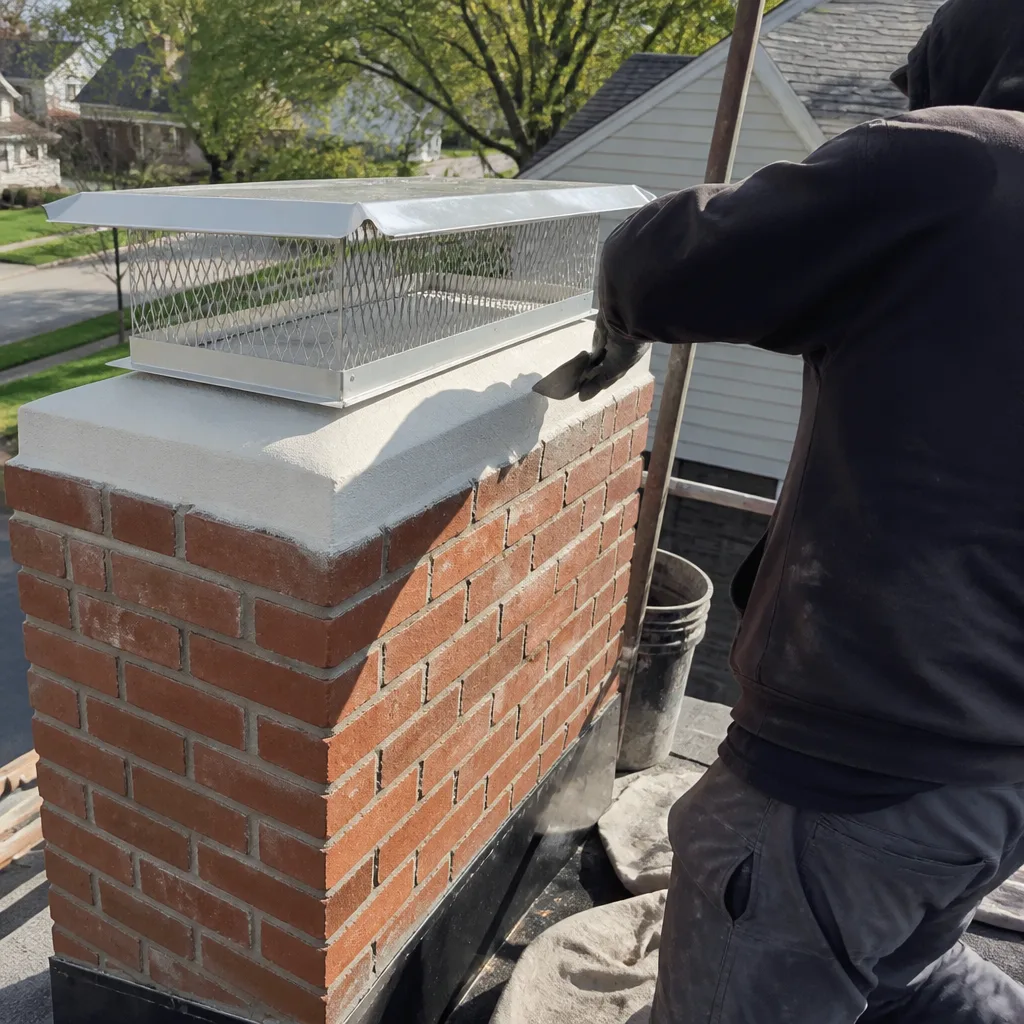 After
After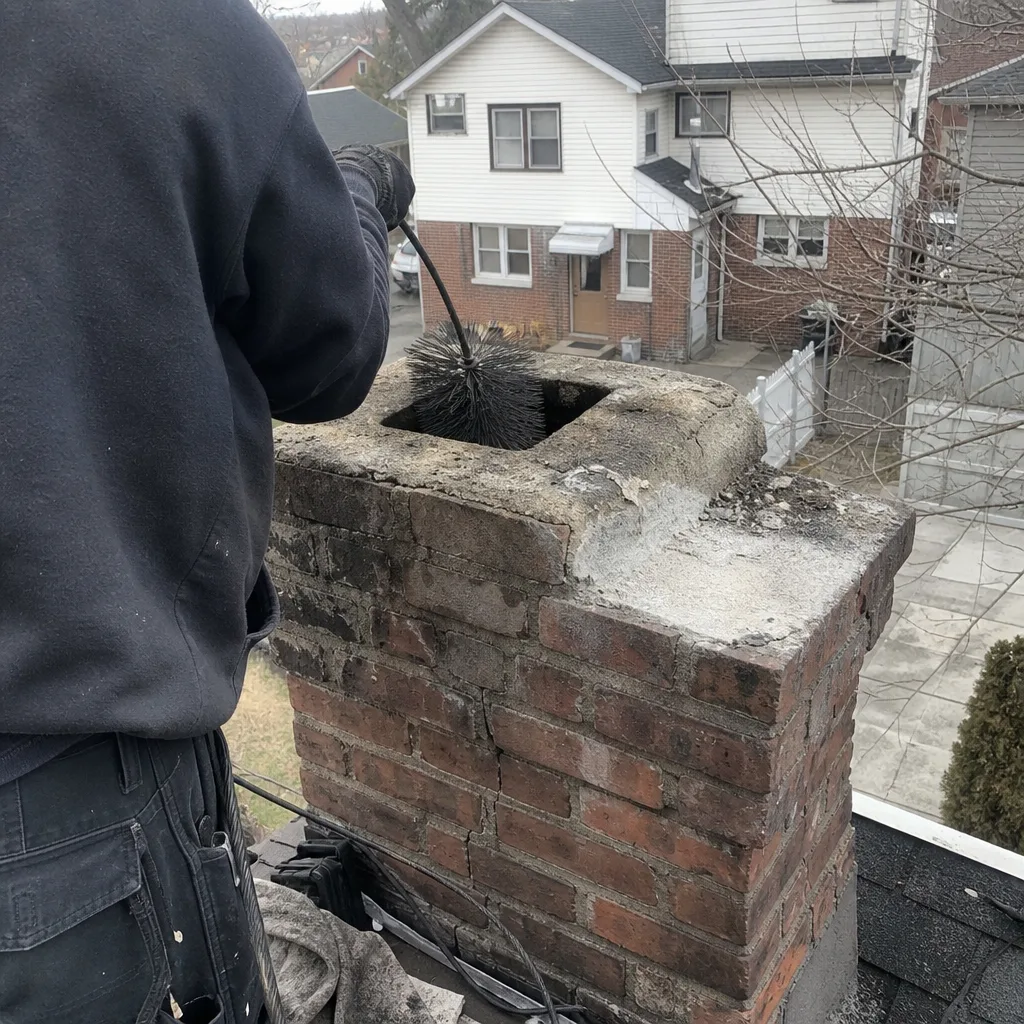 Before
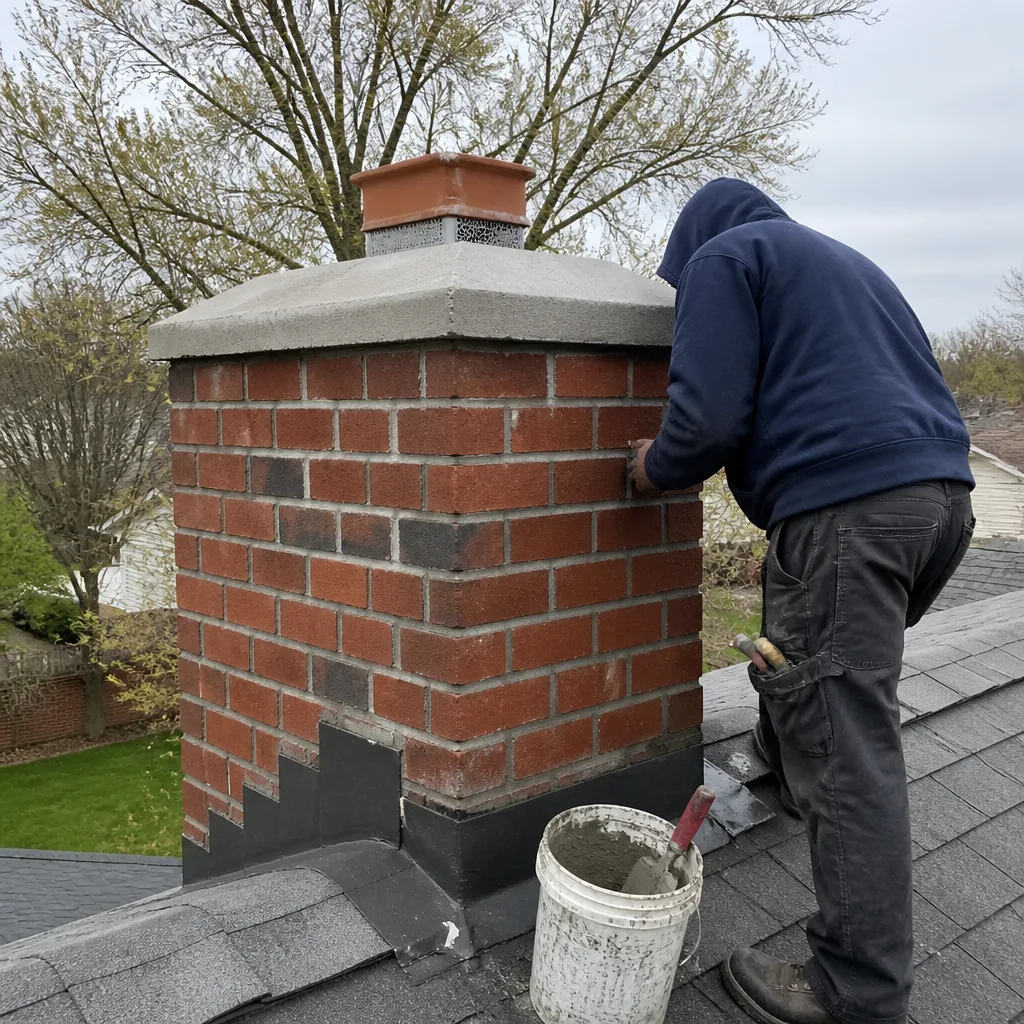 After
AfterSeasonal Chimney Cleaning Care for Jamaica: Year-Round Homeowner’s Guide
Most Jamaica homeowners schedule chimney work the way their parents did: once in the fall, whenever the sweep could fit them in, and then forget about the flue until smoke backs up into the living room. That’s a habit. It is not a maintenance strategy. In a coastal Queens neighborhood where a single nor’easter can shift a cap, crack a crown, and let six months of moisture into the liner before you light the first fire, the calendar tells you almost nothing about what your chimney actually needs. This guide replaces the calendar with something more useful: the event-driven triggers that actually move risk in Jamaica, month by month, storm by storm, system by system. For a complete walkthrough, see our Chimney Cleaning & Sweep Maintenance Checklist for Jamaica Homeowners.
Quick Answer
Seasonal chimney care in Jamaica, NY comes down to two high-stakes windows (pre-heating season, roughly September through November, and post-storm season, March through June) plus two diagnostic intervals in between. A professional chimney sweep with a camera-scan inspection typically costs $229 to $389 in the Jamaica market. See our Chimney Cleaning Cost Breakdown: The Jamaica Homeowner’s Reference for 2026 for full pricing details. If you have burned fires since your last inspection, survived a named storm, or replaced a boiler or furnace, schedule a Level 2 camera inspection now, not next fall.
Table of Contents
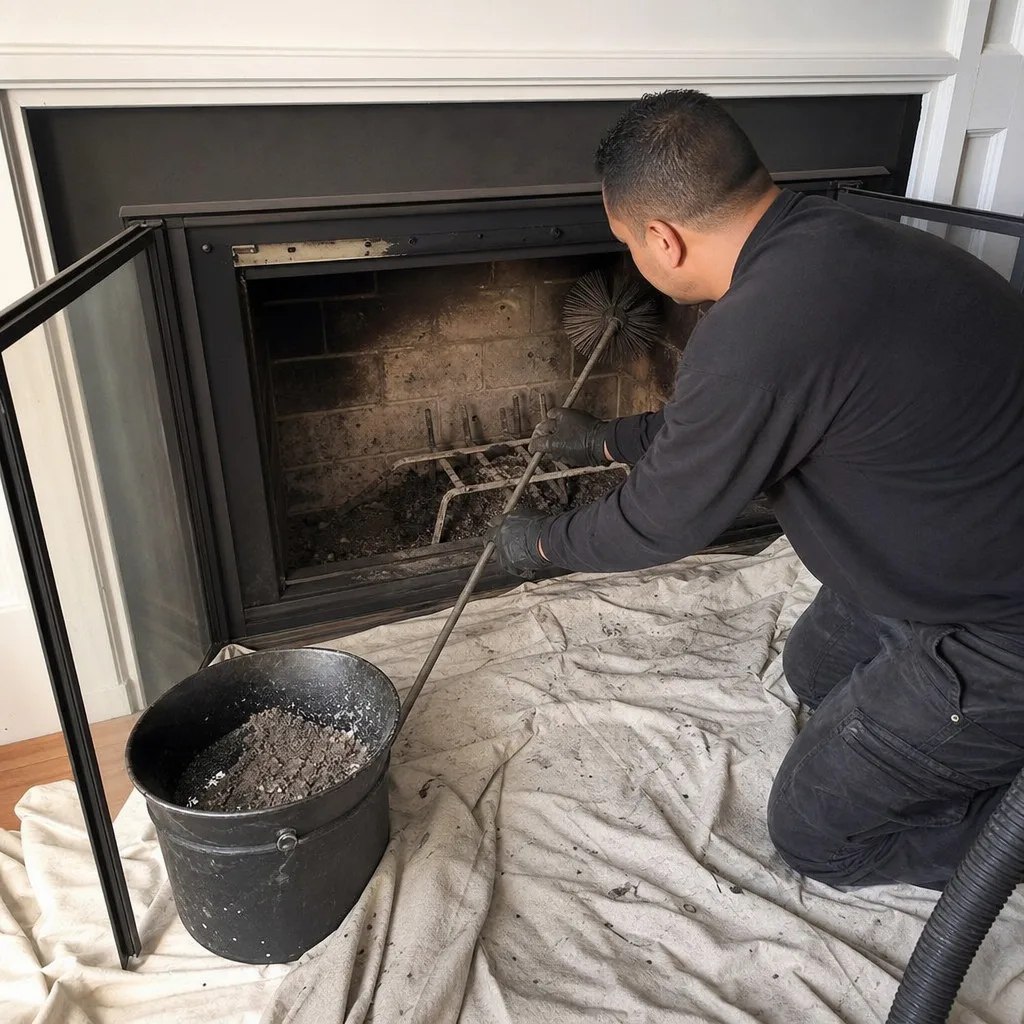
- The Flaw in the October Habit
- The Two High-Stakes Windows: Pre-Heat and Post-Storm
- Why Jamaica Bay Humidity Is a Chimney Problem
- A Month-by-Month Reference for Jamaica Homeowners
- Storm Damage: The Trigger That Overrides Everything
- Fuel Appliance Replacement: The Other Override Trigger
- What to Check Visually Each Month (and What Should Prompt a Call)
- The Cost of Seasonal Chimney Care in Jamaica
- Common Mistakes to Avoid
- When to Call a Professional
- Frequently Asked Questions
- The Bottom Line
 Before
 After
AfterThe Flaw in the October Habit
Every October, thousands of Jamaica homeowners call a chimney company, book the first available slot, and assume the job is done for the year. The problem is that October is downstream of every risk that actually matters. By the time you schedule in October, whatever happened to your chimney during the previous winter has had eight months to compound. Hairline cracks from January freeze-thaw cycles have widened. A shifted cap from a March nor’easter has been letting rain hit the flue liner all summer. Creosote from last season’s fires has been sitting in the flue through Jamaica’s humid August, hardening into a glaze that a standard brush sweep cannot remove. The October schedule is not preventive care. It is late-stage discovery. A better approach starts with understanding when risk actually enters the system, then scheduling around those moments instead of around a month everyone else picks.
The Two High-Stakes Windows: Pre-Heat and Post-Storm
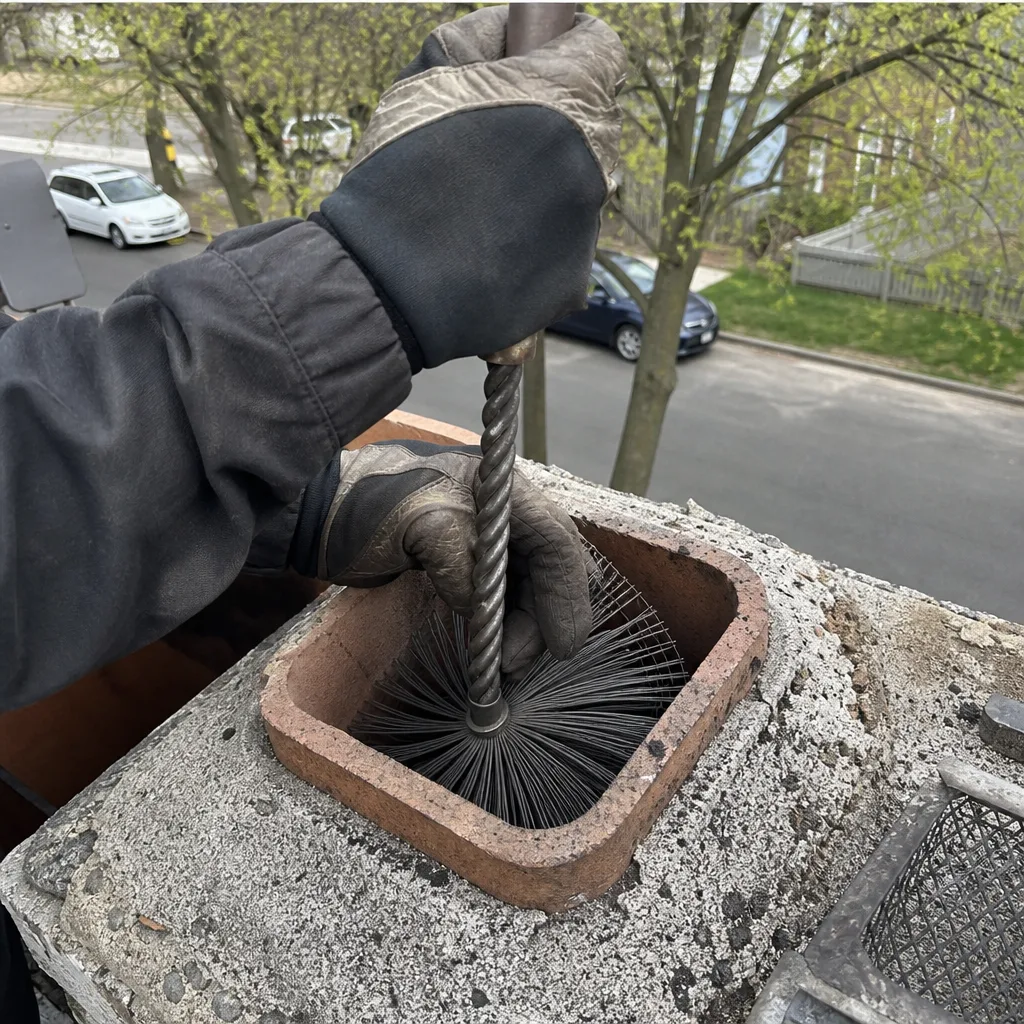
Jamaica’s chimney calendar is not four equal seasons. It is two windows of elevated risk and consequence, separated by two diagnostic intervals.
Window One: Pre-Heat Season (September through November)
This is the window where inspection findings have the most direct consequence: you are about to light fires in an enclosed space where your family sleeps. The pre-heat sweep’s job is to confirm three things before the first match is struck. First, that last season’s creosote is not sitting in the flue at a Class II or Class III level. Class II creosote is a flaky, granular deposit; Class III is a hard, glazed tar that can fuel a chimney fire on its own. Second, that the flue liner is intact from firebox to termination, with no cracks where heat or gases could reach combustible material in the wall. Third, that the cap, crown, and flashing weathered the summer without new damage.
In Jamaica, we recommend booking this window in September, not November. The reason is practical: if the camera scan finds a cracked flue tile or a Class III creosote glaze, you will want time to address it before the first cold night. A November appointment that finds a failed liner means you are either burning in a compromised chimney or waiting for repair during the busiest stretch of the year. September gives you options.
Window Two: Post-Storm Season (March through June)
The second high-stakes window is the one most homeowners skip entirely. After the last freeze-thaw cycle and the spring storm season, your chimney has absorbed whatever the winter and early spring threw at it. In Jamaica, that means nor’easter winds driving rain against the chimney stack, freeze-thaw cycles spalling mortar joints, and the persistent damp air of Jamaica Bay working its way into any new opening. An inspection between April and June documents that damage before it compounds through another hot, humid summer. At Level Two Chimney Jamaica home, we recommend homeowners treat the post-storm inspection as a diagnostic pass. The goal is not always to fix something. The goal is to have a documented baseline: photos of the crown, a camera scan of the liner, a note on creosote class. When September arrives, you compare against that baseline instead of starting blind.
Why Jamaica Bay Humidity Is a Chimney Problem
Most chimney guides are written for dry-climate suburbs. They treat moisture as a seasonal event: rain falls, snow melts, things dry out. Jamaica does not dry out. The humidity profile off Jamaica Bay means masonry chimneys in this neighborhood face a specific deterioration sequence that accelerates every stage of seasonal damage. Here is how it works.
- Stage one: spalling begins. Water enters a masonry joint that has micro-fractured from freeze-thaw cycling. Spalling is the technical term for the surface of brick or mortar flaking away in layers, and it is the first visible sign that water is moving through the masonry.
- Stage two: the crack widens across seasons. During the humid shoulder months, the water in that joint does not fully evaporate. It sits. The next freeze cycle expands it. Each cycle widens the crack by fractions of a millimeter, but over two or three years, a hairline joint becomes a visible gap.
- Stage three: water reaches the flue liner. Once exterior masonry fails, moisture migrates inward. Clay flue liners, the type found in most pre-1990 Jamaica homes, are brittle. When they absorb moisture and then meet the heat of a fire, they crack. A cracked liner is not a maintenance item. It is a safety issue, because the liner is the only barrier between combustion gases and the combustible wall framing.
- Stage four: liner fracture becomes a carbon monoxide pathway. The end state of seasonal neglect in Jamaica is not just a dirty flue. It is a flue liner that has split open, allowing carbon monoxide to move through the wall instead of up the chimney. This is why the seasonal conversation should never be only about soot.
The takeaway: in Jamaica, moisture does not dry out on its own schedule. It compounds. That is why the post-storm inspection window matters as much as the pre-heat sweep.
A Month-by-Month Reference for Jamaica Homeowners
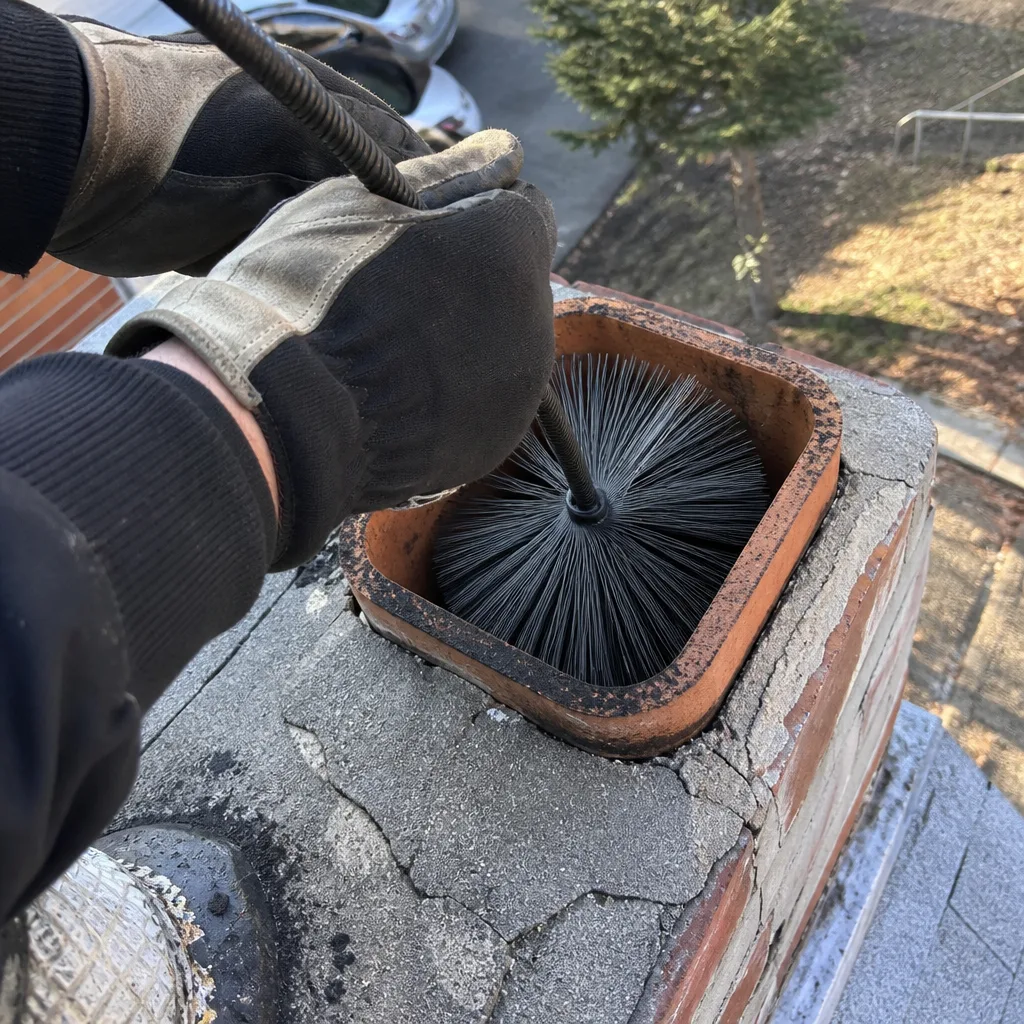
This is the reference section you will come back to. Each month lists what to check visually, what the finding means, and what should prompt a call to a professional chimney sweep in Jamaica.
January
What to check: Look for smoke entering the room instead of going up the flue. Check for strong odors when the fire dies down overnight. Note any water stains on the ceiling near the chimney chase.
What it means: Smoke backdrafting into the room usually signals a draft problem, a clogged flue, or flue-gas cooling caused by an oversized liner. Odors after the fire is out often mean creosote has accumulated to a point where it off-gases.
Call if: Smoke enters the room. Do not “live with” backdrafting. It means combustion gases are not fully venting, and that is the entire job of the chimney.
February
What to check: Look for white staining on the exterior brick above the roofline. Check for chunks of mortar or brick on the roof or ground after a hard freeze.
What it means: White staining is efflorescence, dissolved salts left behind when water migrates through masonry and evaporates. It tells you water has been inside the brick. Chunks on the ground mean spalling has progressed to the point where material is detaching.
Call if: You see new efflorescence that was not there in the fall, or you find brick fragments. These are not cosmetic issues. They are moisture intrusion markers.
March
What to check: After any nor’easter, inspect the chimney cap from the ground with binoculars. Look to see if it is still centered and level. Check for missing shingles or flashing around the chimney base.
What it means: A shifted cap means wind-driven rain has had direct access to the flue. Flashing damage means water is working at the roof penetration, the most common leak point on any chimney.
Call if: The cap is visibly off-center or missing. Do not wait for April. The earlier water is blocked, the less damage it does.
April
What to check: This is the start of the post-storm inspection window. Look inside the firebox for rust on the damper assembly or water streaks on the firebox walls.
What it means: Rust on the damper or streaks in the firebox tell you water has entered the flue and reached the firebox. That water passed through the liner on the way down, and the liner is what you need to know about. A camera-scan inspection here documents the condition before summer humidity adds another six months of moisture load.
Call if: You see any internal water evidence. This is the single most reliable external indicator that a Level 2 camera inspection is warranted.
May
What to check: With snow gone, inspect the full chimney stack for missing mortar joints. Run a visual check on the crown, the concrete or mortar surface at the top of the chimney that seals the masonry from the weather.
What it means: Crown cracks are how Jamaica humidity enters the masonry chimney system in summer. Water sits in the crack, humidity keeps it there, and thermal cycling does the rest.
Call if: Crown cracks wider than 1/16 inch are visible. Hairline crown cracking can be sealed inexpensively if caught early; a fully failed crown is a repair that involves demolition and recasting.
June
What to check: Close out the post-storm window. Look for any musty odor coming from the fireplace when the AC is running, which indicates moisture is being pulled down through the chimney.
What it means: Musty fireplace odor in summer is a moisture signal. It means water is somewhere in the flue or smoke chamber and the house’s negative air pressure is drawing that damp air into the living space.
Call if: You notice a damp smell near the fireplace. It is the cheapest early warning you will get that the chimney is holding moisture.
July
What to check: This is a diagnostic interval. Look for any insect activity around the chimney, wasps or bees entering through gaps between the cap and flue.
What it means: Insects entering the chimney means the cap or screen has a gap, and that same gap is open to rain and snow. What you are seeing as a nuisance is really a water-access point.
Call if: You observe any active nest at the chimney termination. Removal needs to happen before the pre-heat sweep so the flue can be cleaned and inspected without disruption.
August
What to check: This is the single most important diagnostic month of the year. Schedule your pre-heat inspection now. Visually, look for any dark staining or drip marks on the chimney exterior that appeared over the summer.
What it means: August is the month to book. Sweeps in Jamaica are least booked in late August, which means you get your choice of appointment times and enough runway to fix anything found before burning season. Dark staining on masonry means water has been moving through the brick all summer.
Call if: You have not yet scheduled a pre-heat sweep. This is the single most actionable month of the calendar for a Jamaica homeowner.
September
What to check: Before the first fire, confirm the flue has been professionally swept and camera-inspected within the last 12 months. Visually confirm the damper opens and closes fully.
What it means: A professional sweep that includes a camera scan tells you the flue liner is intact and creosote has not accumulated to a hazardous class. The damper check is secondary but free and worth doing.
Call if: Your chimney has not had a documented camera inspection in 12 months. A visual look with a flashlight is not enough to confirm liner integrity, and in a Jamaica home with an older clay liner, that difference matters.
October
What to check: This is burning season now. Check for any water in the firebox after heavy rain. Watch for smoke spillage when you light the first few fires.
What it means: Water in the firebox after rain means the cap or crown has opened since your pre-heat inspection, or was never addressed. Spillage on first fires is often the flue warming up and establishing draft, but persistent spillage on a warm flue means something is obstructing flow.
Call if: Spillage persists past the first ten minutes of burning, or water reappears after rain.
November
What to check: Monitor creosote buildup pace. If you burn daily, shine a light up from the firebox and look at the first few feet of flue above the damper.
What it means: Visible shiny black glaze after only weeks of burning means the fires are burning cool or the wood is not sufficiently seasoned. Glaze is Class III creosote, and it is the most fire-hazardous form.
Call if: You see shiny buildup after a month of burning. You may need a mid-season sweep or a conversation about wood moisture content.
December
What to check: After the first hard freeze, look for any new cracks in the crown or mortar. Listen for loose cap components rattling in high wind.
What it means: The first freeze is the test that spring moisture has been setting up all year. New cracks mean water that entered during a summer rain has just expanded into visible damage.
Call if: You find new freeze damage. Document it; the post-storm window is only a few months away.
Storm Damage: The Trigger That Overrides Everything
If a named storm passes within 50 miles of Jamaica, your chimney does not wait for its seasonal appointment. Nor’easters drive rain horizontally in a way that vertical downpours never do, and that horizontal rain finds open caps, cracked crowns, and failed flashing in minutes. This is the first event-driven trigger that should override any calendar-based schedule.
What to do after a named storm:
- Do a ground-level visual within 48 hours. From the ground with binoculars, check that the cap is still seated, the crown is intact, and the flashing looks tight at the roof line.
- Look for internal water signs within a week. Water in the firebox, dampness on the hearth, stains on the ceiling near the chimney chase. Any of these means the storm opened a water path.
- Schedule a Level 2 camera inspection if you see anything. If nothing visible was found but the storm was severe (sustained winds over 50 mph), a camera scan of the flue and an up-close check of the crown is the only way to confirm the chimney is still sealed.
- Document your findings. At Chimney Repair in Jamaica, we provide a written photo record on every inspection so you have a before-and-after baseline for the next storm.
The key concept most Jamaica homeowners miss: storm damage is cumulative. A cap shifted one inch by a February nor’easter may not leak that week. It leaks during the March rain, the April showers, the summer thunderstorms. By the time you find water in the firebox, the liner may have been wet for months. The storm is the trigger; the moisture is the compounding consequence.
Fuel Appliance Replacement: The Other Override Trigger
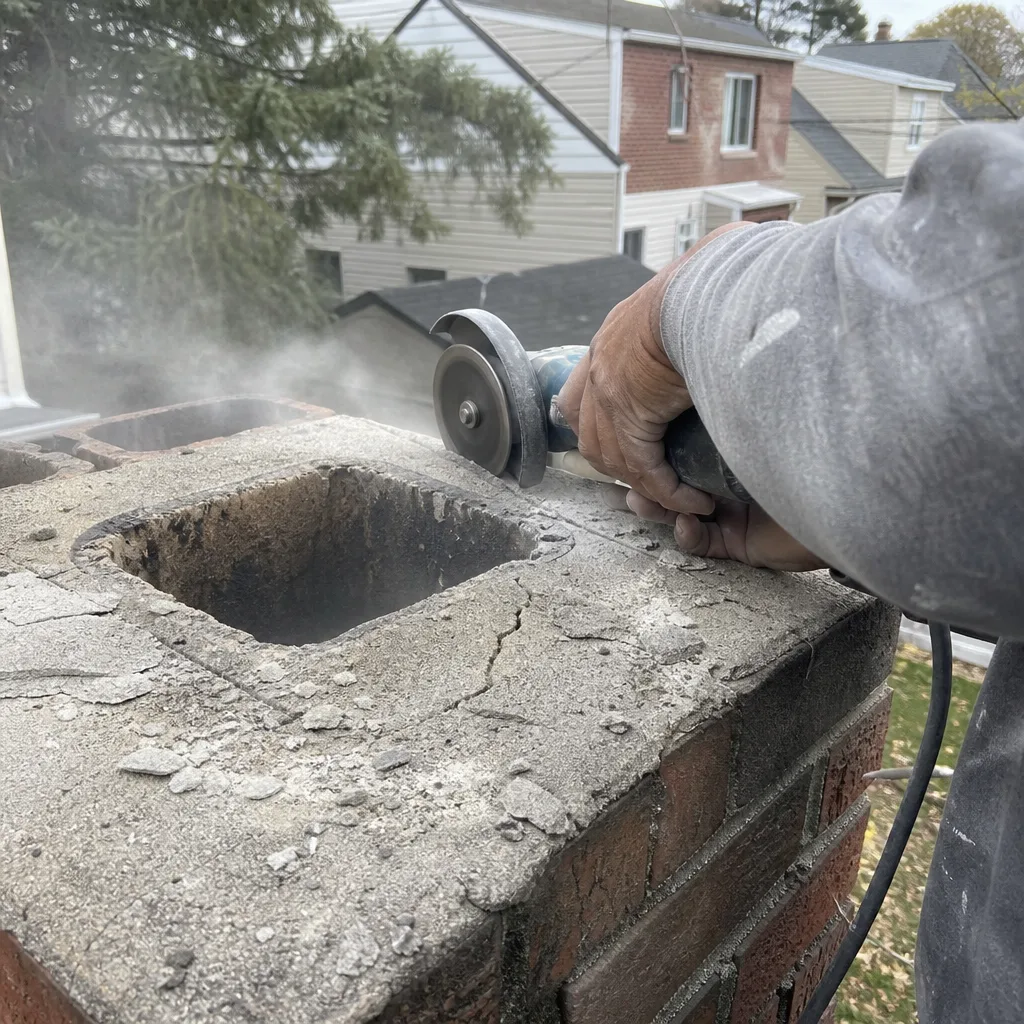
Most Jamaica homes with a chimney do not use it exclusively for a fireplace. The chimney also vents a furnace, boiler, or water heater. When that appliance is serviced, replaced, or converted, the chimney becomes a different system than the one the original fireplace was built for. This is the second event-driven trigger that should override the calendar.
Here is why it matters. Older heating systems vented at high temperatures, which kept flue gases moving and helped evaporate moisture in the flue. Modern high-efficiency furnaces and boilers vent at much lower temperatures. When a homeowner replaces a mid-efficiency boiler with a high-efficiency model that still uses the existing chimney (instead of direct-vent PVC through a side wall), the flue suddenly sees cooler, wetter exhaust. That wet exhaust condenses on the flue liner. Condensation is acidic. It attacks clay liners and even some stainless liners with surprising speed.
The practical rule: if you have an HVAC service call booked, a boiler replacement scheduled, or a fuel conversion planned (oil to gas, gas to electric heat pump), that event should automatically trigger a Level 2 chimney inspection. The inspection should document the current liner condition before the new appliance is connected, and it should confirm the liner is correctly sized for the new appliance’s venting profile. A correctly sized liner maintains adequate draft regardless of the appliance, and a camera scan tells you exactly what that liner looks like before the new system goes live. For full service coverage, see Fireplace Services in Jamaica for appliance-related flue work in one place.
What to Check Visually Each Month (and What Should Prompt a Call)
You do not need to be an expert to catch early warning signs. Here is a structured checklist of the five highest-value things any Jamaica homeowner can inspect from the ground or inside the home, and what each finding actually means.
- Efflorescence (white staining) on visible brick above the roofline. It means water has been inside the masonry and dissolved salts are being deposited as the water evaporates. If it appears for the first time or spreads, call for a moisture evaluation before the next freeze cycle.
- Spalling (flaking or falling brick or mortar). The visible edge of moisture damage. Missing mortar joints and crumbling brick on the chimney stack is the physical evidence that freeze-thaw cycling is actively breaking down the masonry. Prompt a call, not a wait.
- Water in the firebox after rain. Never normal. Never wait. Water in the firebox means a pathway has opened somewhere: cap, crown, flashing, or masonry itself. The longer it persists, the deeper the damage travels.
- Visible creosote glaze in the flue. Shine a light up from the firebox. If the lower flue looks shiny and black rather than flat and sooty, that is Class III creosote, the most chimney-fire-hazardous form. Prompt a call before the next fire.
- A damper that will not fully open or close. Dampers rust in place when moisture sits in the firebox. A stuck damper is a symptom that water has been present, and a partially-open damper undermines the chimney’s ability to draft correctly.
- Odor from the fireplace when the weather shifts. A musty or sooty smell when the barometric pressure drops or the AC runs tells you the flue is holding moisture or creosote, and the house is drawing that air inward. This is the most underrated trigger on the list.
The Cost of Seasonal Chimney Care in Jamaica
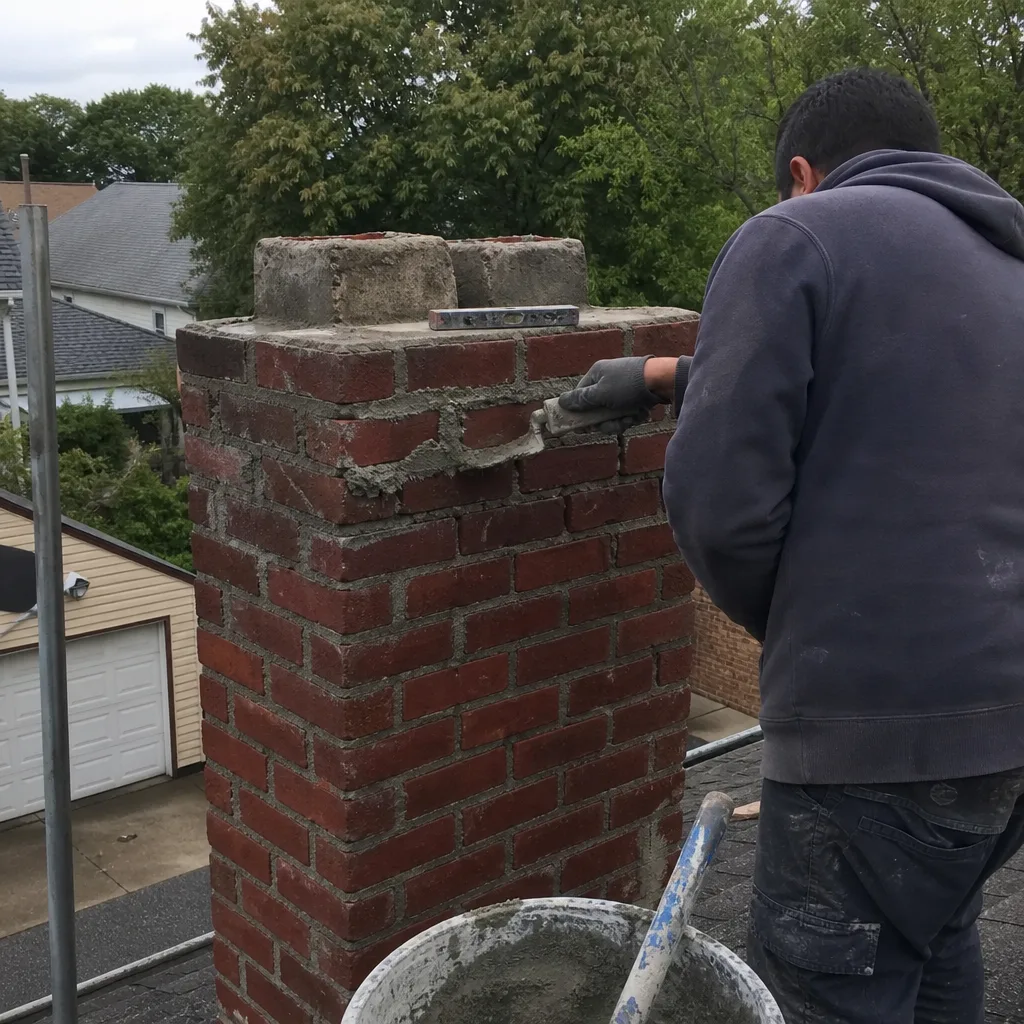
You should know the numbers before you call. Here are the typical price ranges for seasonal chimney work in the Jamaica market as of 2026, with the understanding that your specific chimney, liner condition, and access situation can shift these figures.
- Standard chimney sweep with basic visual check: $189 to $279
- Sweep with NFPA 211 Level 2 camera scan and photo report: $279 to $429
- Chimney cap replacement (standard stainless steel): $225 to $585 installed, depending on flue size and roof access
- Crown repair (resurfacing with proper expansion joint material): $450 to $1,200 depending on crown size and damage extent
- Flue liner repair (HeatShield resurfacing section): $650 to $1,800 depending on flue length and defect size
- Full stainless steel liner installation (DuraFlex or Olympia Chimney system): $2,200 to $5,800 depending on home height and liner diameter
Those are honest Jamaica market ranges. The single most important pricing rule in this neighborhood: get the camera scan before you get the estimate for any repair. A sweep who quotes a liner replacement without putting a camera down the flue is quoting a guess. At Level Two Chimney Jamaica, every job begins with a documented camera-scan inspection, and every price is delivered in writing before any work starts. That means the number on the written estimate reflects what is actually inside the flue, not what a salesperson assumes is inside. If someone wants to quote you a repair without a camera, know you are being sold a narrative, not a finding. For a full breakdown of what sweeping includes and what it costs, see our dedicated Chimney Cleaning & Sweep in Jamaica page.
Common Mistakes to Avoid
- Scheduling only by the calendar. October is not a strategy. If you burn fires all winter, the October sweep is performing triage on eleven months of accumulation. Schedule by the events that actually happened, not the month.
- Skipping the post-storm inspection. The most common mistake in Jamaica is the one homeowners do not know is a mistake. March through June is when moisture damage begins compounding; skipping that window means September’s inspection finds a bigger, more expensive problem.
- Accepting a sweep without camera evidence. A flashlight and a brush confirm the flue was brushed. They tell you nothing about the condition of the liner. In a Jamaica home with a pre-1990 clay liner, that missing information is exactly where the danger lives.
- Replacing a furnace without inspecting the flue it vents through. High-efficiency appliances vent cooler and wetter. Connecting one to an older clay liner without a camera inspection sets up a condensation problem that eats the liner from the inside out.
- Letting “no visible damage” be the end of the storm response. You cannot see a micro-fracture in a crown from the driveway. You cannot see a cracked clay flue tile from inside the firebox. A named storm is a trigger for inspection precisely because the damage it causes is often invisible to a ground-level check.
- Burning unseasoned wood and then blaming the chimney. Green wood burns cool and produces creosote at an accelerated rate. You can sweep a chimney in September and have a Class III glaze by December if the wood is wet. Burn wood with a moisture content below 20 percent, confirmed with a moisture meter.
- Treating mortar repair as optional because “the chimney still stands.” Losing a quarter inch of mortar joint every season is a slow-motion structural issue. When the joint loss becomes large enough, the entire chimney stack becomes a falling hazard in high wind. Small repointing now beats a rebuild later.
When to Call a Professional
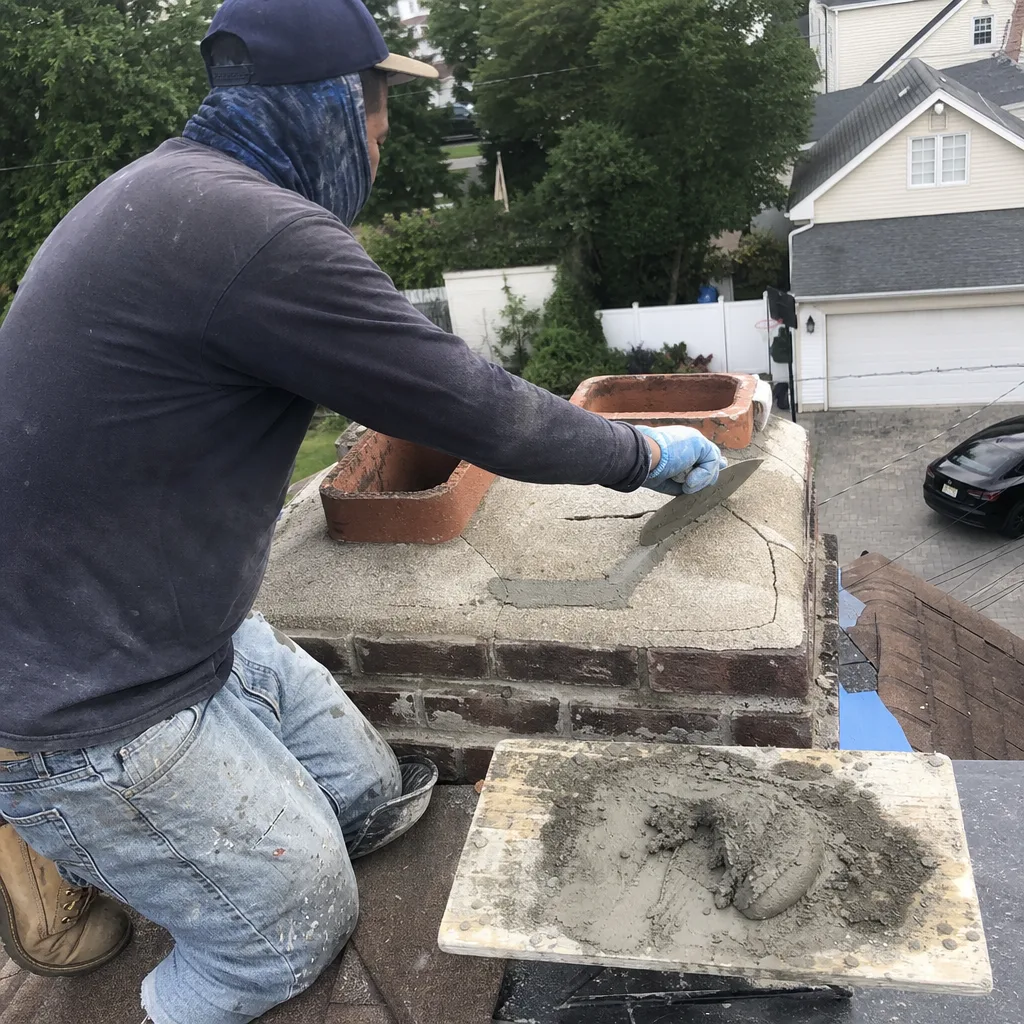
Call a professional chimney sweep in Jamaica if you see water in the firebox after rain, if smoke enters the room during a fire, if you find brick or mortar fragments on the ground after a freeze, if you notice white staining on the chimney that is new or spreading, if a named storm has passed within 50 miles, or if you are replacing a furnace, boiler, or water heater that vents through the chimney. These are not wait-and-see items. Each one is a signal that the flue liner, the cap, the crown, or the flashing has failed in a way that increases fire or carbon monoxide risk. Level Two Chimney Jamaica offers free estimates in Jamaica, and every inspection includes a documented camera scan and written photo report. Call (516) 240-9612 to schedule.
Frequently Asked Questions
The NFPA standard is annual inspection and sweeping as needed, but Jamaica’s coastal humidity and nor’easter exposure mean most homeowners should plan on a sweep plus a Level 2 camera inspection once per year, timed before the heating season. If you burn more than two cords of wood per season, or if you burn green wood, a mid-season sweep may be warranted. Call (516) 240-9612 to schedule a sweep with a camera scan, and we’ll tell you exactly what the flue looks like and what it needs.
A standard chimney sweep in Jamaica typically runs $189 to $279, while a sweep with an NFPA 211 Level 2 camera scan and documented photo report runs $279 to $429. The camera-scan option is the one that actually tells you whether the liner is safe to burn with. Call (516) 240-9612 for a written quote before any work is scheduled.
A Level 2 camera inspection is the NFPA 211 standard for evaluating a chimney when conditions of use have changed or when an issue is suspected. It involves running a camera down the entire flue to document liner condition, clearances, and obstructions. Clause 4 of the Haven Standard requires a photo record on every job, which means you walk away with images of what the camera saw. Call (516) 240-9612 to schedule a Level 2 inspection with a camera scan.
You need a new liner if the camera scan shows cracks, gaps, spalling, or deterioration that would allow heat or combustion gases to reach combustible materials or living space. If someone is recommending a liner without putting a camera down the flue, you have no reason to believe the recommendation. At Level Two Chimney Jamaica, we do not recommend a liner unless the camera evidence shows the defect, and we show you the footage before you make a decision. Call (516) 240-9612 for a documented inspection and a written price.
One skipped year is usually recoverable; what actually happens depends on what accumulated in that year. If you burned one cord of dry, seasoned wood, the flue may just need a thorough sweep. If you burned two cords of green wood, if a storm shifted the cap, or if Jamaica’s summer humidity entered a crown crack, you may be looking at Class III creosote, a damaged liner, or both. The only way to know is a camera scan, which is why we include it on every visit. Call (516) 240-9612 to schedule yours.
Yes, because the damage that matters is not visible from the ground. A cracked crown hairline, a shifted cap, a fractured flue liner, a failed flashing seal. None of these are visible from the driveway, and each of them lets water into the chimney system for months before the damage becomes visible from outside. A post-storm Level 2 inspection in Jamaica documents what the storm did and gives you a baseline before summer humidity compounds it. Call (516) 240-9612 to schedule a post-storm inspection.
The Bottom Line
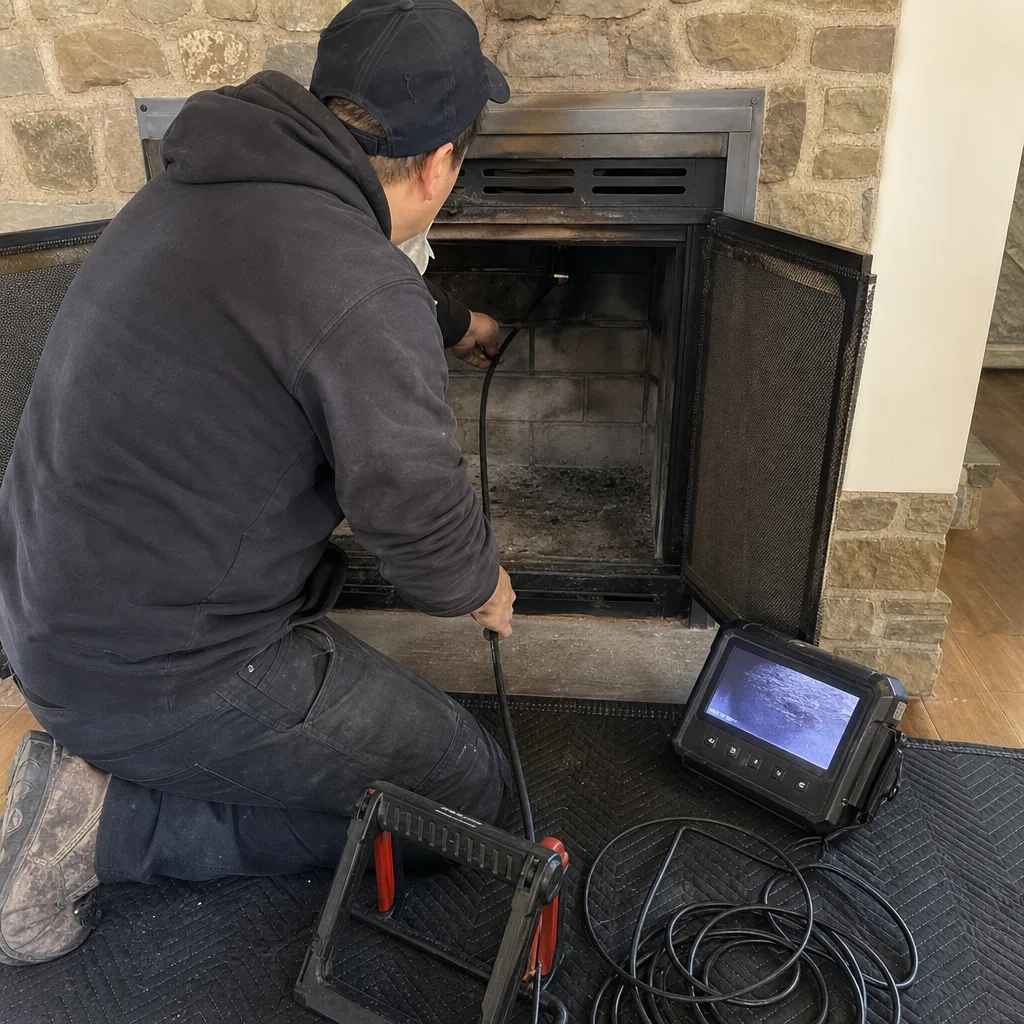
Seasonal chimney care in Jamaica is not about picking a month. It is about responding to the events that actually move risk: the pre-heat window before you light the first fire, the post-storm window after the last freeze and before summer humidity, and the two override triggers of named storms and fuel appliance replacement. A homeowner who schedules a sweep every October and ignores the rest of the year is running a maintenance program that finds problems late. A homeowner who schedules around the actual risk calendar finds them early, fixes them for less, and has a documented record of what was done. That is the difference between a habit and a strategy. For the cleanest place to start, see our Chimney Cleaning & Sweep in Jamaica page, or call (516) 240-9612 for a free estimate with a camera-scan inspection and written photo report.
Written by Corrine Halstead, Owner at Level Two Chimney Jamaica, serving Jamaica since 2009.