
Last updated September 20, 2026
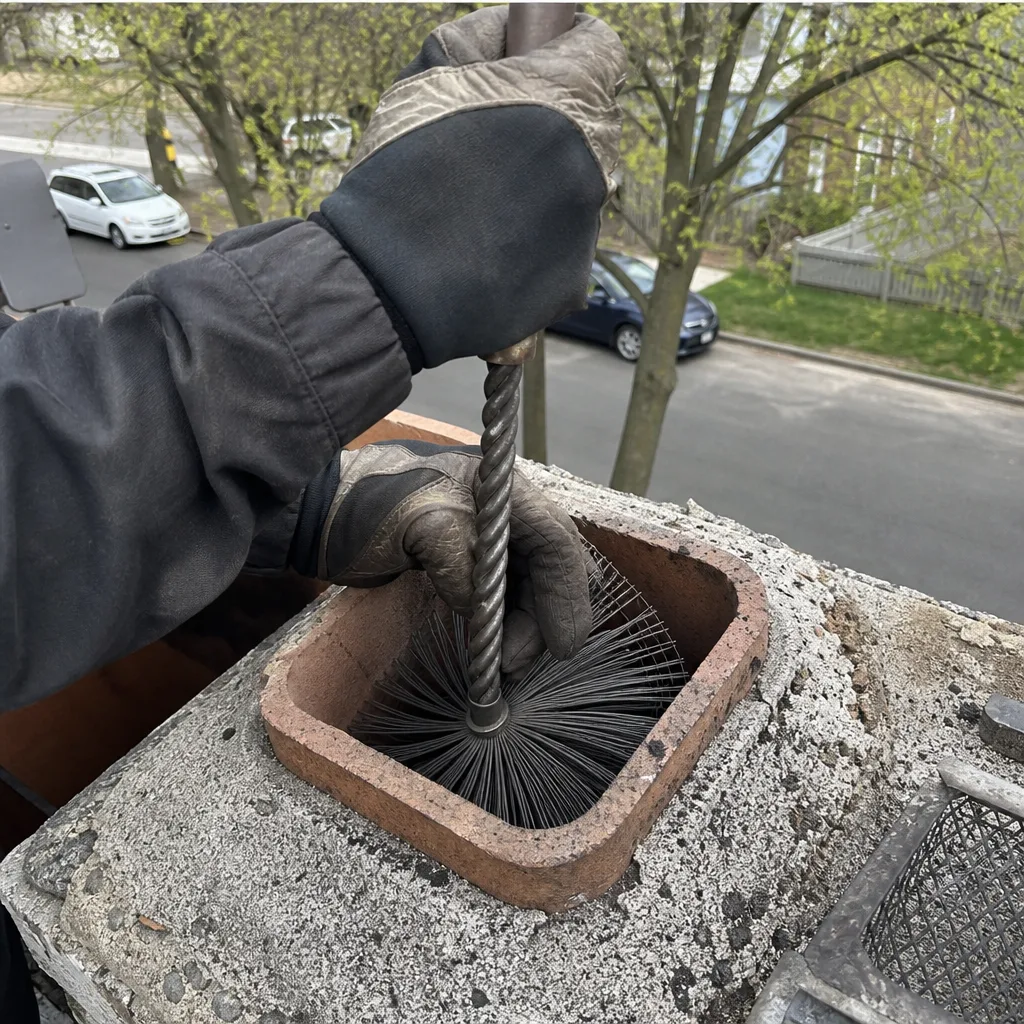
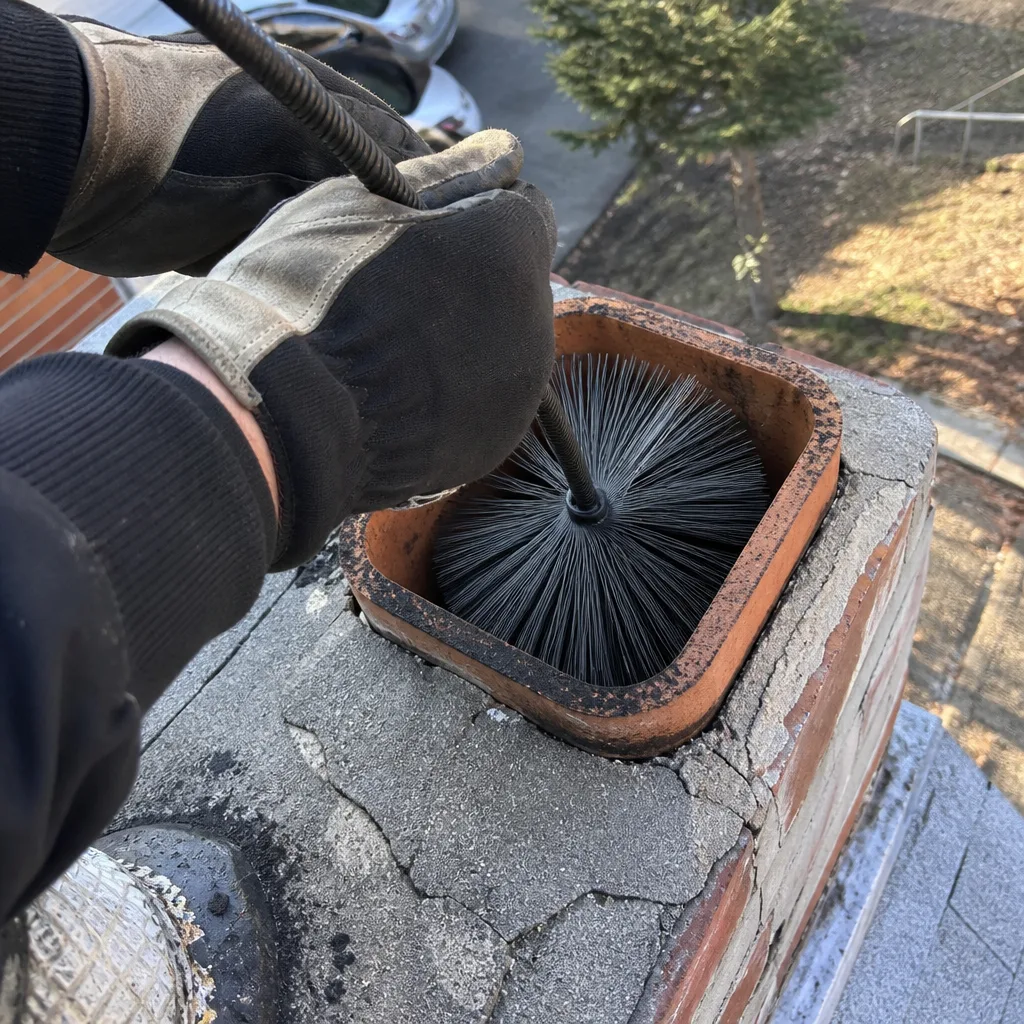
Level 1 sweep and inspection to the NFPA 211 annual standard - flue, crown, cap, and flashing checked and photographed
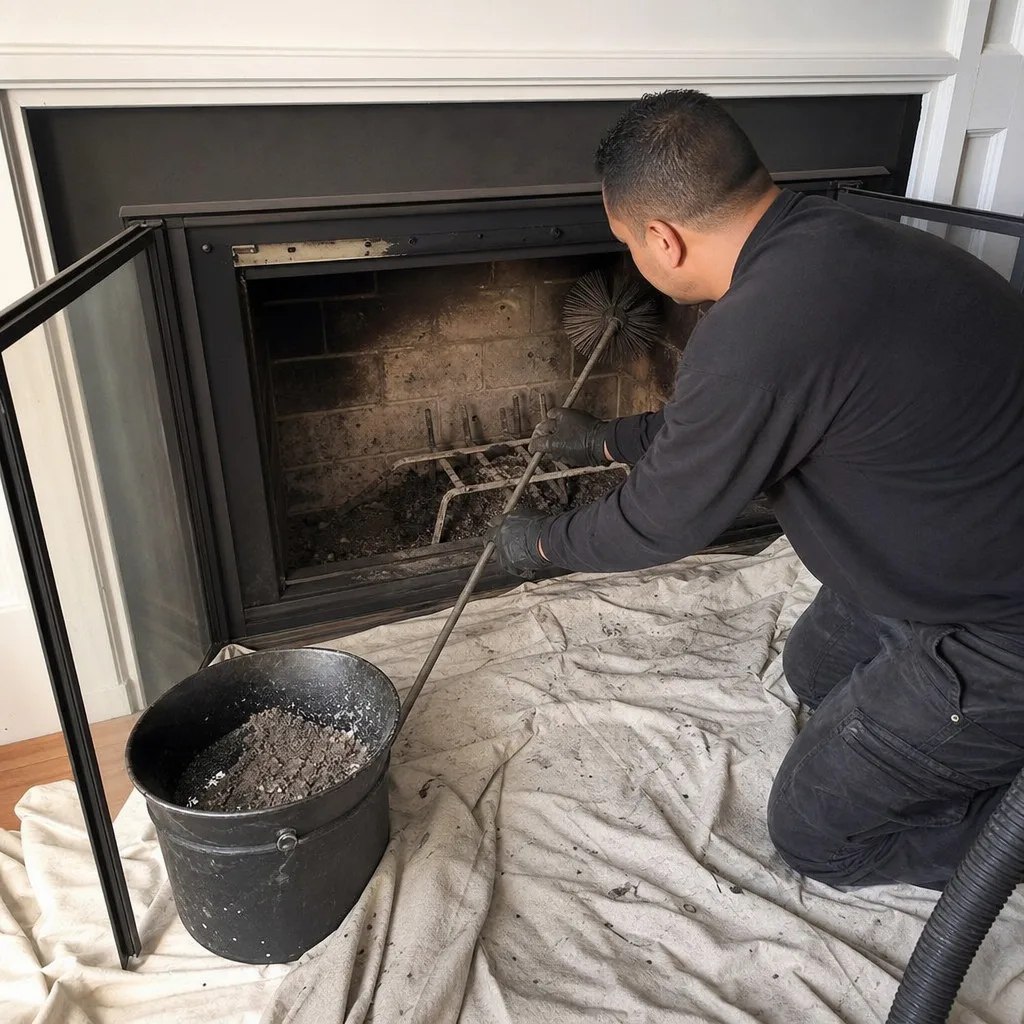
Chimney sweep logs do not sweep chimneys. They loosen some creosote - which then falls where a brush and vacuum still have to collect it.
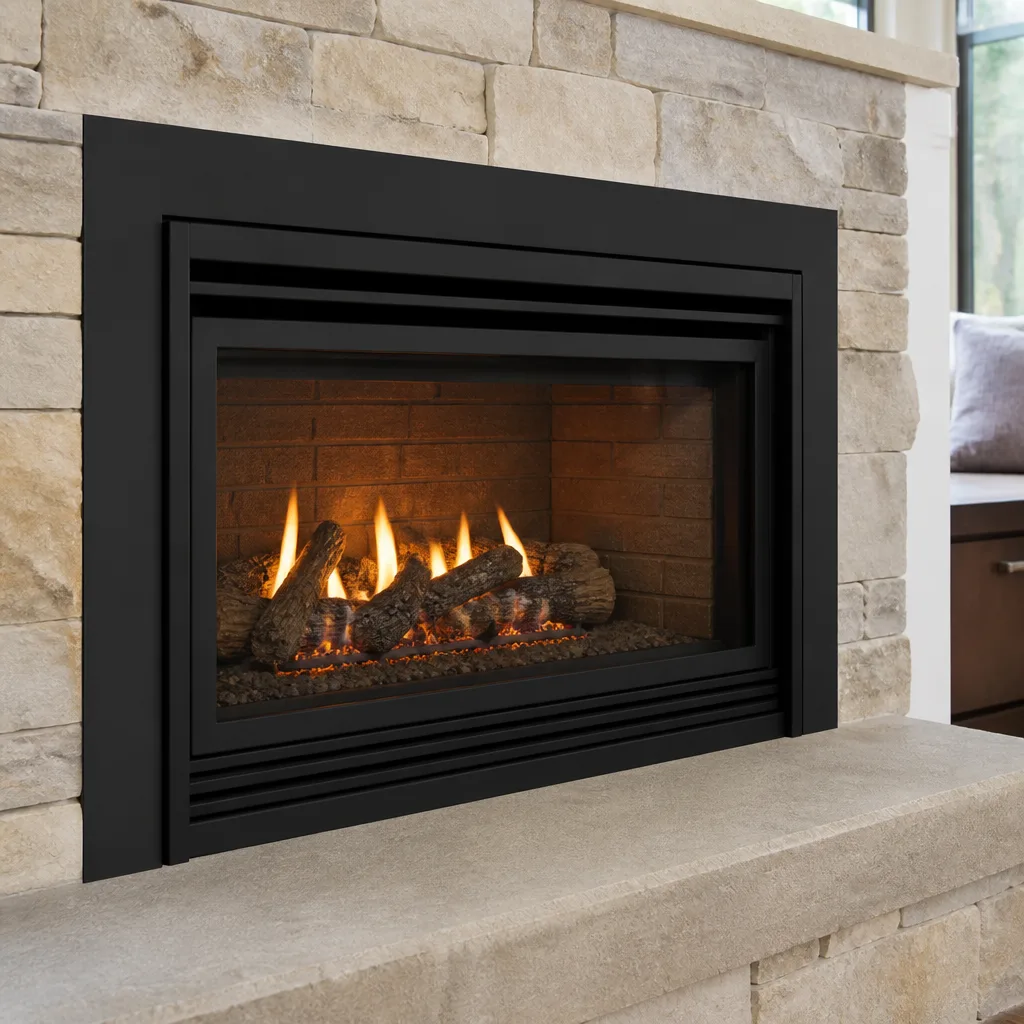
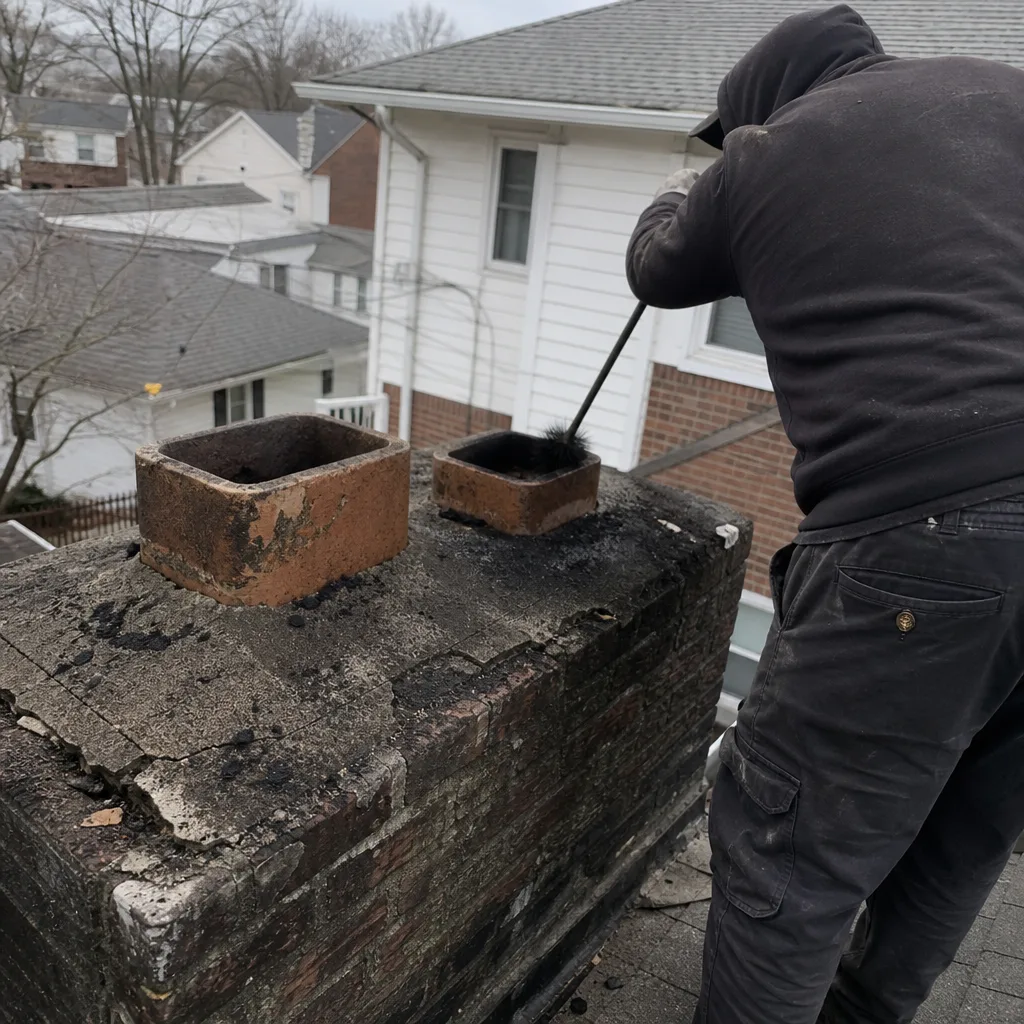 Before
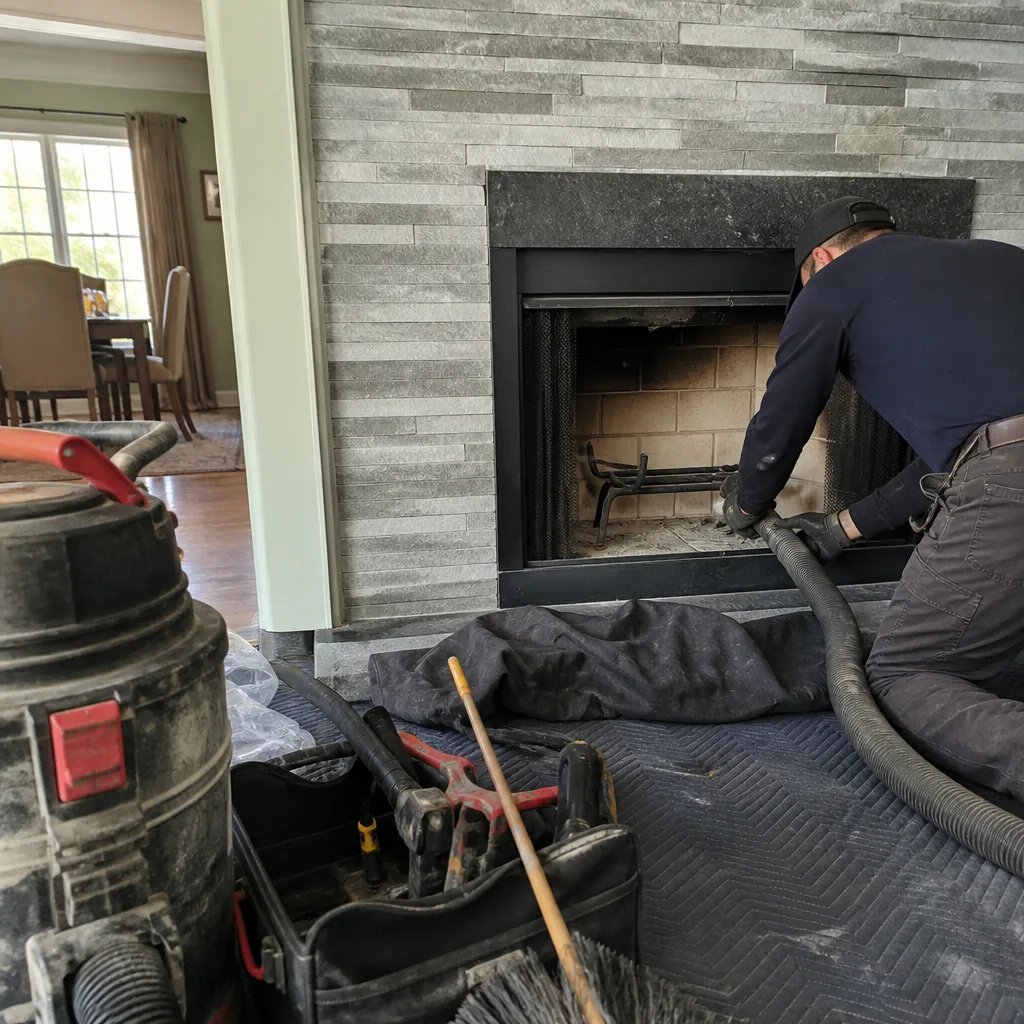 After
After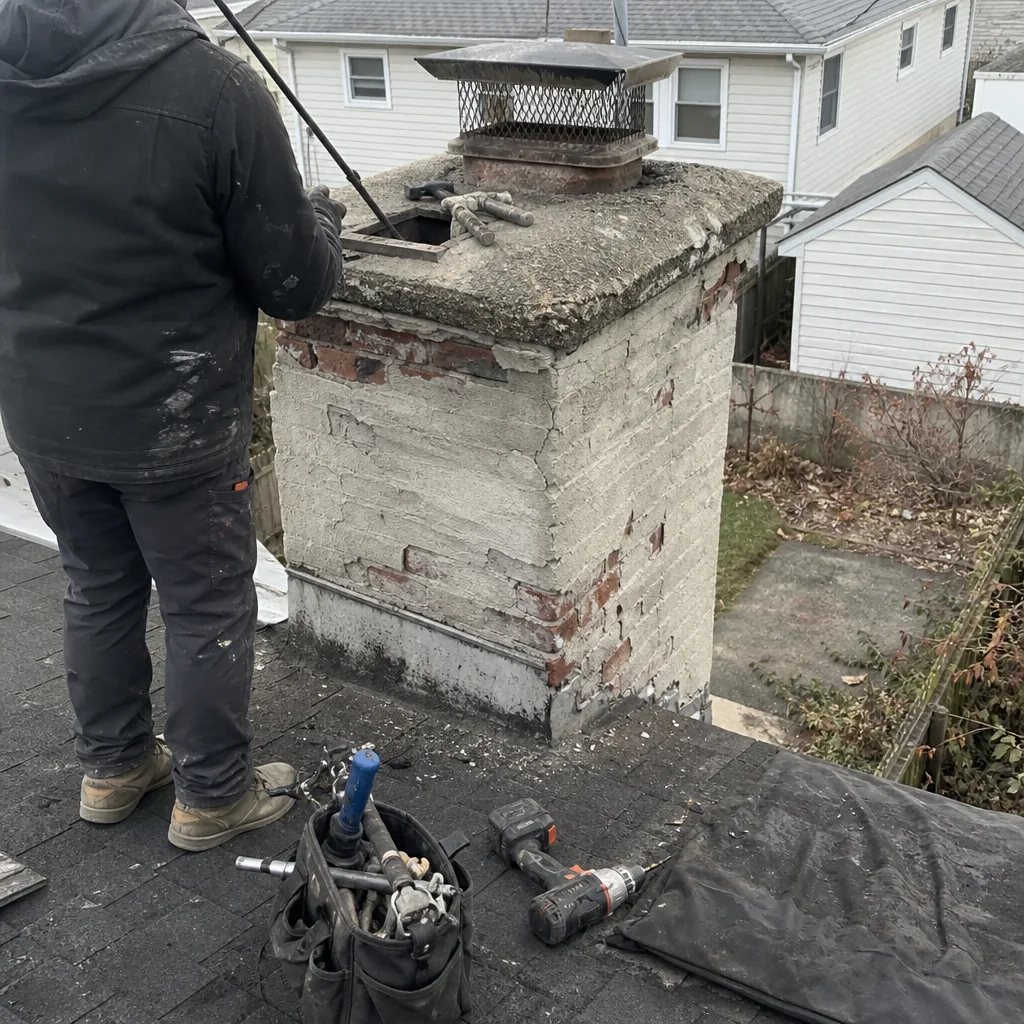 Before
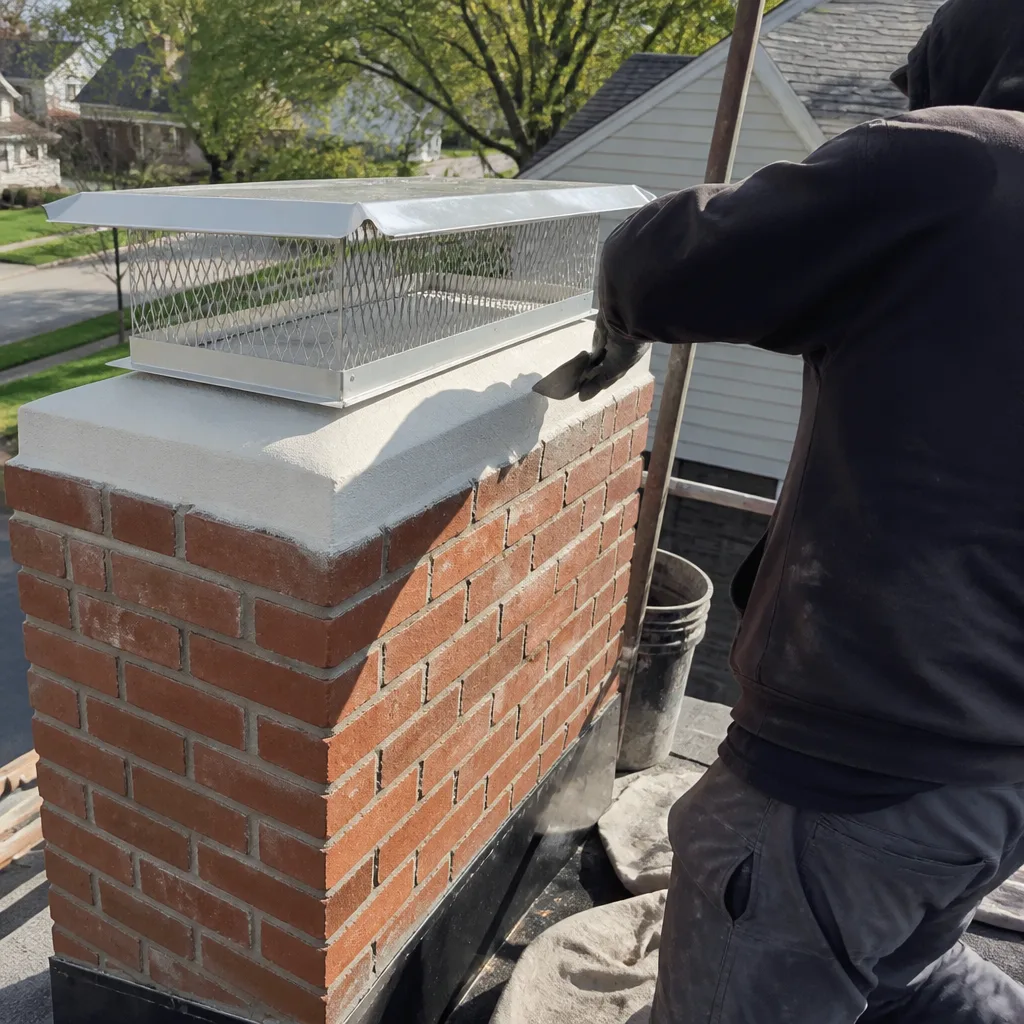 After
After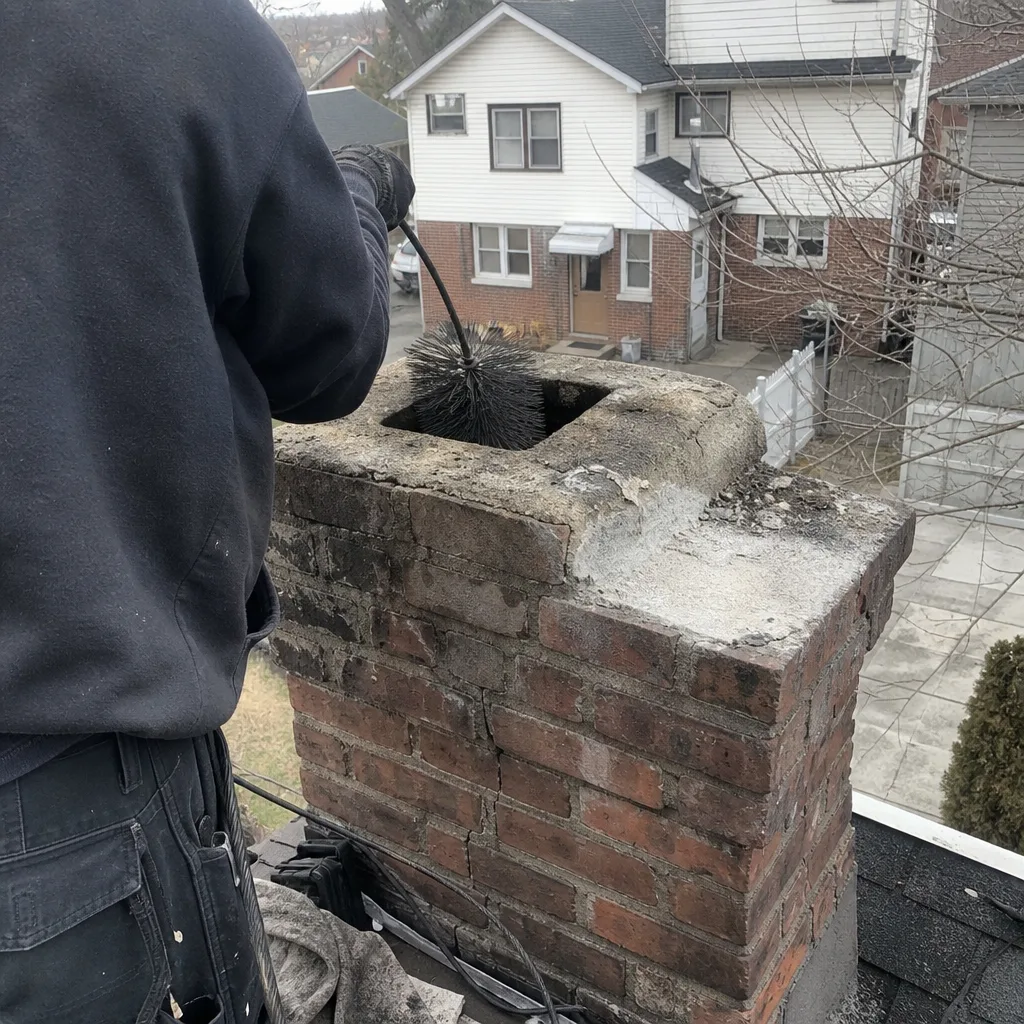 Before
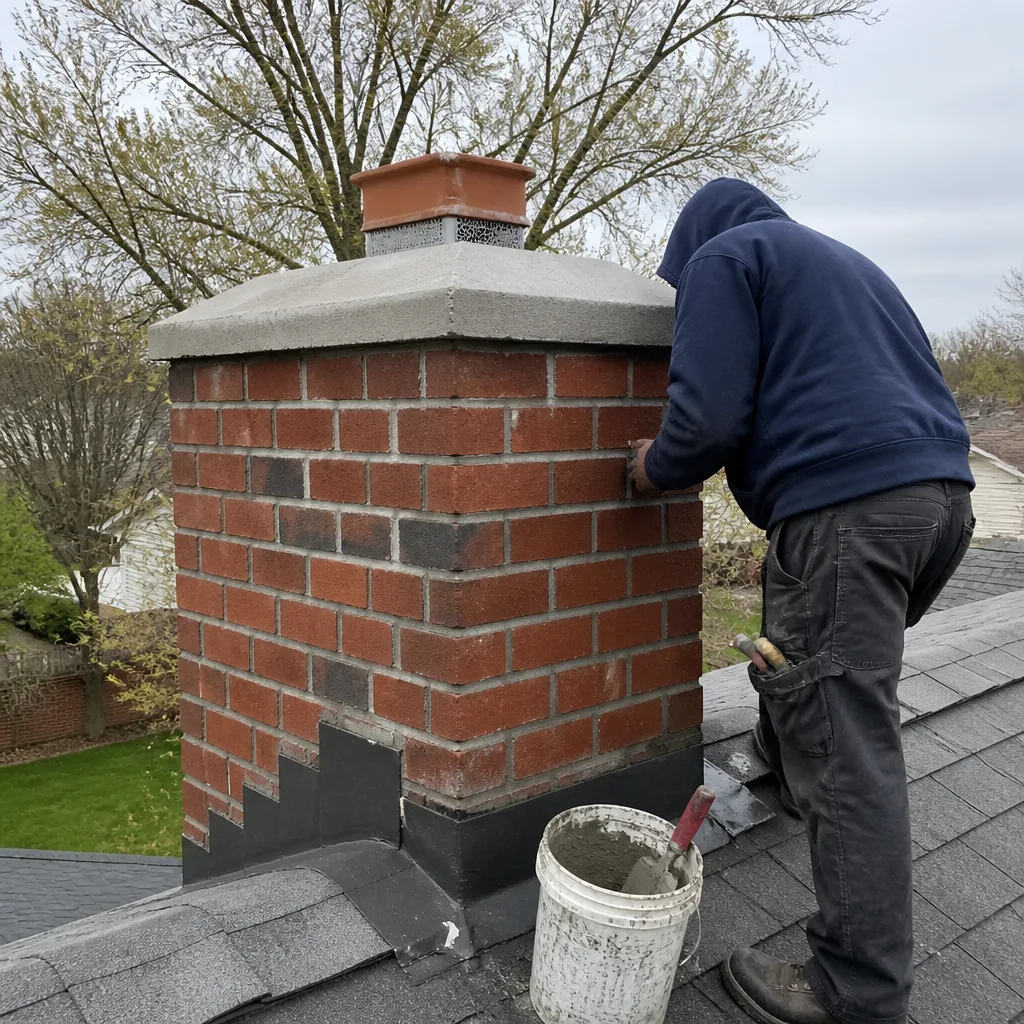 After
AfterChimney Cleaning Permits, Codes & Inspections in NY: What You Need to Know
You don’t need a permit to sweep a flue. You almost certainly do need one to reline it, rebuild the firebox, or replace the crown, and that’s where Jamaica homeowners get caught. The disconnect is simple: most people Google “chimney cleaning” looking for a maintenance price, but the chimney industry’s real legal exposure lives in the repair work that cleaning uncovers. In Queens, the Department of Buildings treats a chimney as part of the building envelope, which means modifications trigger filing requirements most homeowners never hear about until an insurance adjuster or a DOB inspector asks for paperwork. This guide draws the line between routine maintenance and regulated alteration using the actual code references, not approximations. For the complete guide to chimney cleaning in Jamaica, see our dedicated resource. We’ve done this work in Jamaica since 2009, and we’ve seen what happens when that line gets crossed without documentation.
Quick Answer
Routine chimney sweeping and a Level 2 camera inspection require no permit anywhere in New York State. What does require a permit, in almost every case, is structural or functional alteration: relining a flue, rebuilding a firebox, replacing a crown, or changing the venting configuration. Under NYC Building Code Section 28-101 and the DOB’s work-type categories, those jobs are classified as alterations and must be filed through the DOB NOW portal by a licensed contractor. If the work is cosmetic or strictly maintenance-based, like brushing creosote or swapping a damper plate, you’re clear.
Table of Contents
- Cleaning vs. Alteration: Where the Permit Line Actually Sits
- NYC Building Code Section 28-101 and What It Actually Says
- NFPA 211 and NYC Code: How They Work Together
- Specific Work Categories and Their Permit Status
- What Happens to an Insurance Claim Without a Filing
- The Documentation Trail That Satisfies Both DOB and Your Insurer
- Jamaica-Specific Enforcement: DOB Complaints and Contractor Behavior
- Common Mistakes to Avoid
- When to Call a Professional
- Frequently Asked Questions
- The Bottom Line
 Before
 After
AfterCleaning vs. Alteration: Where the Permit Line Actually Sits
The single most useful distinction in chimney work is the one nobody explains clearly: a cleaning restores function, while an alteration changes the system. Brushing glazed creosote from a flue is the first category. Installing a new stainless steel liner inside that flue is the second. The first requires no filing. The second triggers NYC DOB work-type AT2 or AT3 filing depending on scope. In Jamaica, where housing stock runs heavily toward attached single-family and two-family brick homes built between 1920 and 1960, the line between these categories gets blurry fast. A chimney that hasn’t been opened in twenty years often reveals spalling brick, a cracked crown, or a liner that looked fine from the top but is deteriorating mid-flue. These are chimney cleaning warning signs every Jamaica homeowner should know. That’s the moment a $249 cleaning becomes a $4,800 reline, and the moment the permit question stops being academic.
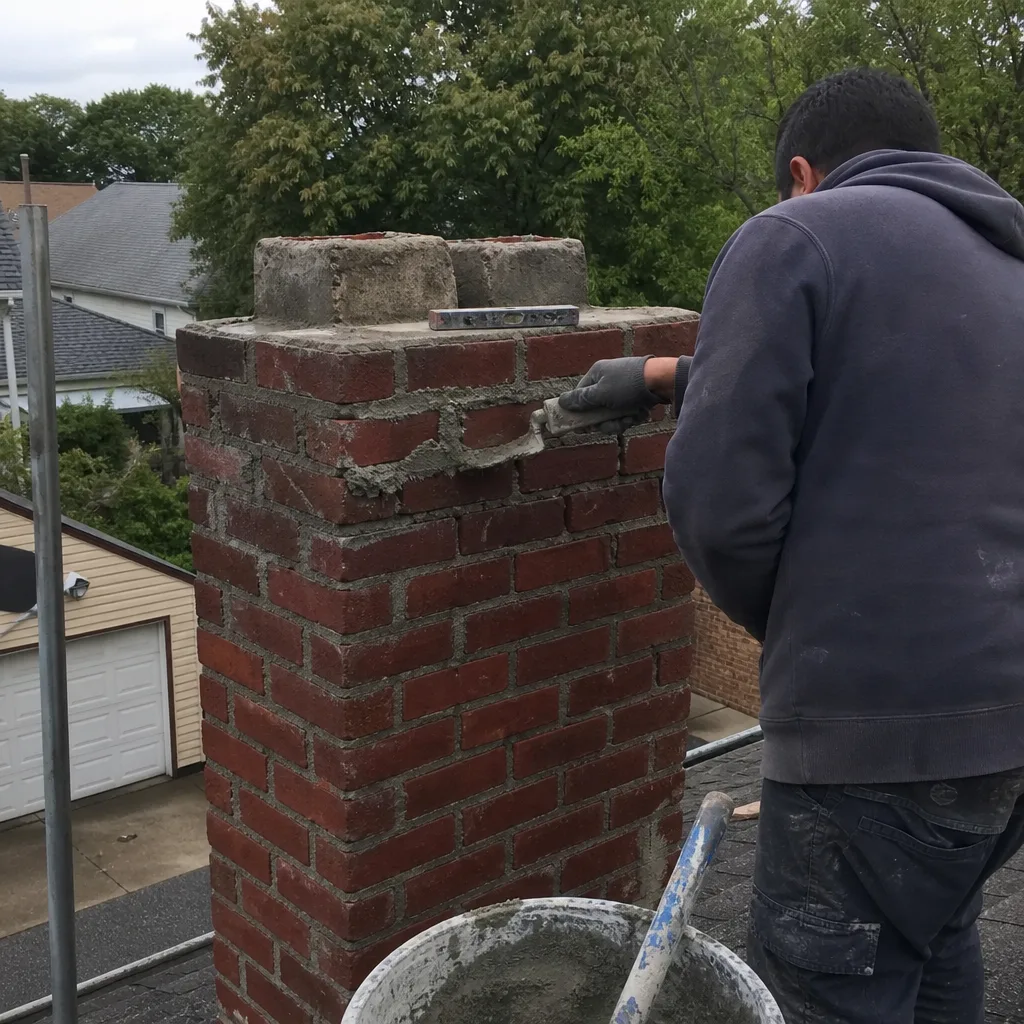
Here’s the plain translation. NYC Building Code Section 28-101.4.2 defines what counts as an alteration versus ordinary repair. Ordinary repair, the kind that needs no permit, means restoring something to its prior condition without changing materials, configuration, or the system’s behavior. So scraping out a smoke chamber, brushing a flue, replacing a worn damper plate with a comparable one, and parging a minor surface crack all fall under ordinary maintenance. Change the liner material, alter the flue diameter, add a second appliance to the same chimney, rebuild the firebox with different dimensions, or replace a crown with a different profile, and the work is no longer ordinary repair. It is an alteration, and the DOB expects a filing.
We tell every Jamaica homeowner the same thing: if the work changes what the chimney does or what it’s made of, assume it needs paperwork until proven otherwise. Our Chimney Cleaning & Sweep in Jamaica visits always begin with a camera-scan inspection that documents the condition first, precisely so that any repair recommendation comes with evidence attached. The recommendation is based on what the camera shows, not on what a tech thinks he saw through a flashlight.
NYC Building Code Section 28-101 and What It Actually Says
Section 28-101 of the NYC Administrative Code is the enforcement umbrella for all construction activity in the city, and chimneys fall under it because they are part of the building’s structural and fire safety systems. The section’s core requirement is deceptively simple: no person shall construct, alter, or demolish any building or system without first obtaining a permit from the commissioner. The word “alter” is the operative one. The 2022 NYC Building Code defines alteration broadly to include any change to a building’s structure or mechanical systems that is not classified as ordinary repair. A chimney is both, which is why the enforcement applies twice.
The practical effect in Queens is that DOB inspectors, responding to a neighbor complaint or a random audit, will ask to see the filed work permit for any chimney job that looks structural. In Jamaica, where property lines are tight and chimneys face adjacent yards, a visible scaffold or a masonry truck on the street is enough to generate a 311 call. We’ve seen this happen. A homeowner on a Jamaica side street schedules a firebox rebuild, a neighbor sees the crew, and two weeks later DOB posts a stop work order because no filing exists. The contractor disappears, the homeowner is now listed as the respondent on the violation, and the work sits half-finished. That scenario is avoidable with one question asked before the job starts: “Is this being filed with DOB, and can I see the filing number?”
Here’s what the code requires in practice. A job that changes the chimney’s structure, materials, dimensions, or venting configuration must be filed under one of three work types. AT2 filings cover alterations that require a DOB permit but no new or amended certificate of occupancy. AT3 filings cover alterations that do require a new or amended C of O. Most residential chimney work, if filed correctly, falls under AT2, with the contractor submitting drawings or a work scope and paying the filing fee. The permit must be posted at the job site, and the work must be performed by someone with the appropriate license or registration. A homeowner cannot self-file for most of this. A licensed contractor or a registered design professional has to do it.
The second part of Section 28-101 that matters for chimney work is the inspection requirement. Filed work must be inspected at the appropriate stages, and the final inspection must be signed off before the job is considered closed in DOB’s system. For a liner replacement, that typically means the DOB wants to see the liner installed before it’s concealed, or at minimum wants a sign-off from the licensed professional who filed the work. This is where Jamaica homeowners end up in limbo: a company installs a liner, never files, the homeowner sells the house five years later, and the title search surfaces an open alteration with no permit. The sale stalls. The fix is a retroactive filing done years after the fact, which costs more and involves a review process nobody wants. Our position is simple: if the chimney job is going to require filing, the filing happens before the work, not after a title company calls.
NFPA 211 and NYC Code: How They Work Together
NFPA 211 is the National Fire Protection Association’s standard for chimneys, fireplaces, and vents. It is not a law in itself, but NYC adopts its own fire code, and NFPA 211 functions as the technical reference point that most building officials, engineers, and insurers use to evaluate whether a chimney system is safe. Where the NYC Building Code handles the permit process, NFPA 211 defines what “safe” means. The two work as a pair: NYC tells you whether you need to file, and NFPA 211 tells you what condition requires action in the first place.
The key section for homeowners is NFPA 211’s Level 1 and Level 2 inspection standard. A Level 1 inspection is a visual check of the readily accessible parts of the chimney: firebox, damper, smoke chamber, and the flue from the top and bottom. NFPA 211 says a Level 1 is appropriate for annual maintenance when the system has not changed. A Level 2 inspection is required when the property changes hands, when the fuel type changes, when an appliance is added or removed, or after a chimney fire. A Level 2 includes the Level 1 checks plus a video scan or other internal inspection of the flue. In practice, this is the inspection that real estate transfers trigger.
Here’s the connection to the DOB process. A home sale in Jamaica, especially in neighborhoods with older attached housing, often includes a chimney inspection contingency. The buyer’s inspector recommends a Level 2 camera scan. The scan shows a deteriorated terra cotta liner. The seller now faces a choice: sweep and document that the liner is serviceable, or reline. If it’s reline, and the buyer’s attorney is thorough, the transaction will stall unless the seller agrees to have the work done with a DOB filing and a sign-off. This is not theoretical. This is the single most common scenario in which Jamaica homeowners first learn about the permit requirement: a home sale in progress, a camera scan, a liner recommendation, and an attorney asking for a filing number.
Our Fireplace Services in Jamaica work frequently starts as a real estate inspection, and we always document the flue condition in a way that can be shown to an attorney or a buyer’s agent. The photo record from the camera scan is time-stamped and provided to the client. If the scan shows a problem that triggers a repair requirement, we explain the filing requirement at the same moment we show the photo. No surprises after the fact.
Specific Work Categories and Their Permit Status
The table below lists the chimney jobs most commonly quoted in Jamaica and their permit status under current NYC practice, drawn from our Chimney Cleaning & Sweep Maintenance Checklist for Jamaica Homeowners. This is the part most homeowners never see, because most sweep companies simply quote the price without mentioning the filing question. We quote the price and the filing status together. That’s the difference between a clean job and an undocumented one.
Chimney Work and DOB Permit Status
| Work Category | Permit Required? | Why / Notes |
|---|---|---|
| Routine chimney sweep (brushing, creosote removal) | No | Ordinary maintenance; restores prior condition |
| Level 2 camera inspection and report | No | Diagnostic only; no physical change to system |
| Damper plate replacement (like for like) | No | Ordinary repair; no material or configuration change |
| Chimney cap replacement (same size, same material) | No | Accessory replacement; no structural work |
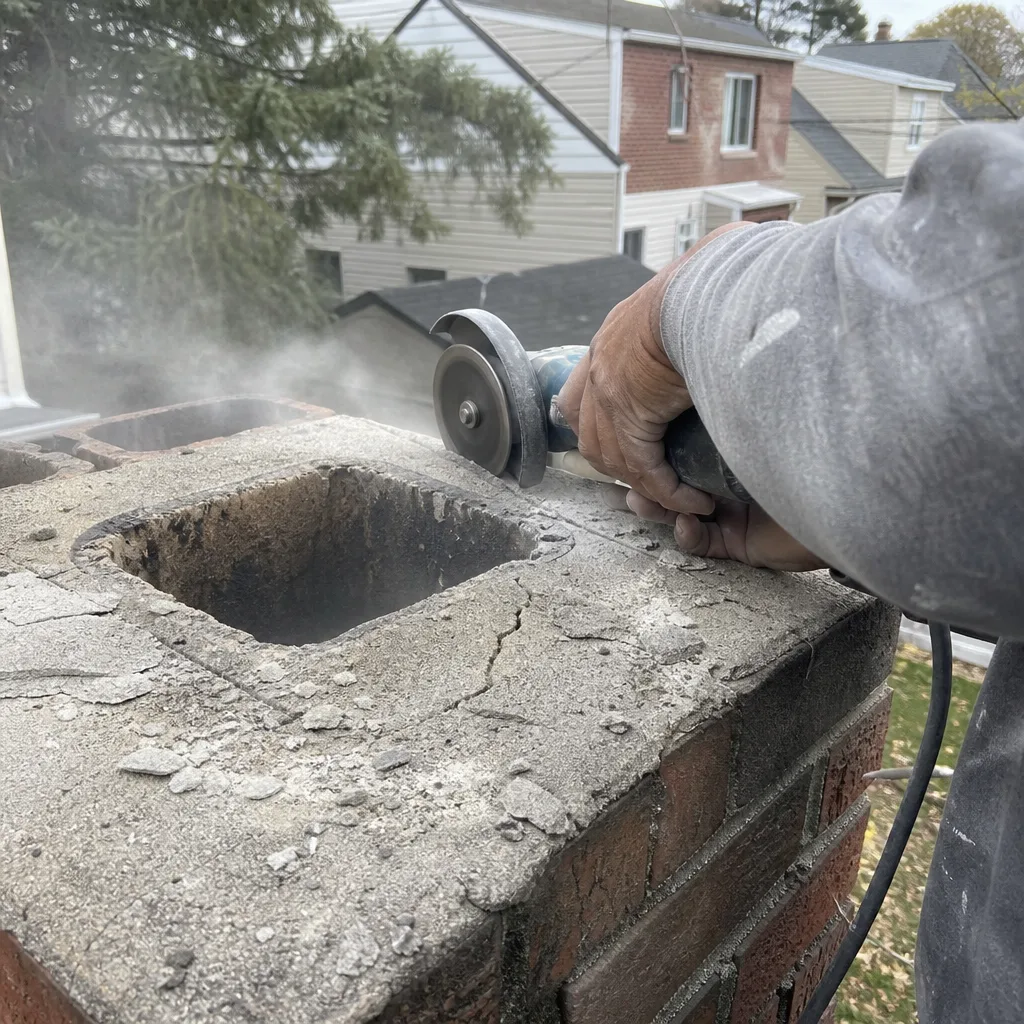
| Chimney crown repair (minor crack, surface patch) | No | Ordinary repair if limited to surface and no structural change |
| Chimney crown full replacement | Yes | Alters the top of the chimney; changes material condition |
| Flue liner reline (stainless, cast-in-place, clay replacement) | Yes | Functional alteration to venting system |
| Firebox rebuild | Yes | Structural alteration; changes firebox dimensions or materials |
| Smoke chamber parging (minor surface) | No | Ordinary repair if limited to surface parging |
| Smoke chamber full rebuild or reshaping | Yes | Functional and structural alteration |
| Changing venting configuration (adding appliance, altering flue size) | Yes | System alteration; requires engineering review |
| Full chimney rebuild (from roofline up or below roofline) | Yes | Major structural alteration; requires filing and permits |
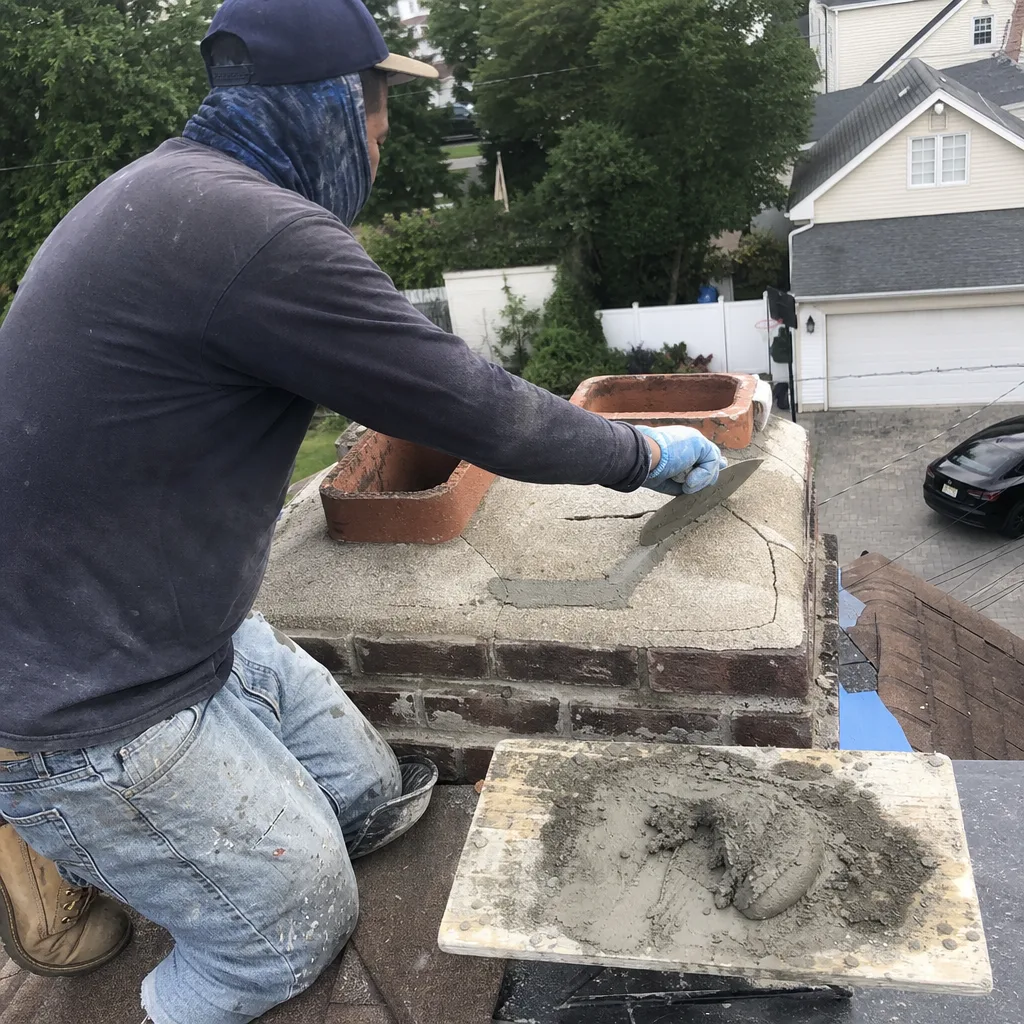
The line between “minor crack repair” and “crown full replacement” is a judgment call, and it’s a judgment that gets tested after the fact. If we patch a spalled crown and the patch holds, that’s ordinary repair. If we replace the entire crown because it’s crumbling, that’s a filing. The honest way to handle this is to make the call before the work starts and put it in writing. A written scope of work that identifies the category and the permit status is the single most protective document a homeowner can hold, and it’s what our Chimney Repair in Jamaica quotes always include. We name the work category in the scope: “routine maintenance, no permit required” or “alteration, DOB filing included.” No ambiguity.
What Happens to an Insurance Claim Without a Filing
This is the section most sweep companies won’t write, because it’s the one that makes the industry look bad. But it’s the reason we wrote this guide. When a chimney fire damages a Jamaica home, the homeowner files an insurance claim. The insurance company sends an adjuster. The adjuster asks for three things: the cause and origin report, the maintenance history, and the documentation for any repair or alteration work on the chimney. If a liner was replaced three years earlier and there’s no DOB filing, no invoice, and no photographic record, the adjuster now has grounds to deny or reduce the claim on the basis that the work was performed by an unpermitted contractor and the homeowner failed to maintain a compliant system. The homeowner is left holding the cost of the fire and the cost of the unpermitted work, neither of which they understood at the time.
The mechanism is not direct. Insurance policies don’t say “unpermitted work voids the policy” in most cases. What they say is that the homeowner failed to maintain the dwelling in a reasonably safe and code-compliant manner, and that the insured loss was caused or worsened by work that did not meet applicable building code. Unpermitted liner replacement fits that description precisely. When the work is unpermitted, there’s no independent inspection verifying it was done correctly, so the insurer defaults to the assumption that it was not. The burden of proof lands on the homeowner, who now has to prove a negative: that the undocumented liner work was done correctly by someone qualified. That’s an expensive position to be in.
We see the inverse of this too. A Jamaica homeowner with a filed, documented liner replacement and a post-service photo record walks into a claim with a folder of evidence that shows the work was done properly. Adjusters settle those claims faster, because the documentation eliminates the argument. That’s the value of the paperwork: it’s not about proving you’re a good homeowner, it’s about making the adjuster’s job easy. An adjuster who can close a file in a week without a fight is an adjuster who approves the claim.
The Documentation Trail That Satisfies Both DOB and Your Insurer
A legitimate post-service record has four parts. If any part is missing, the record is incomplete, and an incomplete record does not protect you. Here’s what it needs to contain, and why each piece matters.
- Written scope of work with a stated work category. The scope must say, in plain English, what the job included and whether it was classified as ordinary repair or alteration. This tells a future reader whether the work should have been filed. If the work is filed, the scope references the DOB filing number. If it’s not, the scope explains why, by category. A scope that doesn’t name the category is worthless.
- Time-stamped photographic record of the before and after condition. This is the part that separates a professional record from a receipt. Photos taken at the start of the job document what needed doing. Photos taken at the end document what was done. The timestamps establish that the before photos are actually before, not something pulled from a database. In our practice, the camera-scan footage from the Level 2 inspection serves as the before record, and the post-service photos serve as the after. The whole set goes to the client. This has been our standard since 2009, before insurers or regulators asked for it, and it’s Clause 4 of the Haven Standard: a documented photo record on every visit.
- Written warranty naming the materials and the labor. The warranty should list the specific products used. If the liner is a HeatShield system or a DuraFlex stainless liner, the warranty should say so. If the crown is a Gelco product, that goes in writing. Materials from Famco, Copperfield, and Olympia Chimney, procured through Haven’s buying network, get named in our scopes for exactly this reason: the client knows what went into their chimney, and the paper trail matches the physical chimney. A warranty that doesn’t name materials is a marketing promise, not a document.
- DOB filing number and inspection sign-off, where applicable. For any work classified as an alteration, the number should appear on the scope, the invoice, and the warranty. The sign-off from the final inspection, when complete, is the document that closes the loop. It proves the work was reviewed, not just performed.
The cost of building this record is minutes, not hours. The cost of not having it shows up years later, at the worst possible moment: a chimney fire, a denied claim, a stalled sale. In Jamaica, where attached homes share a party wall and a chimney fire in one house can spread to the next, the documentation is not just about the individual homeowner. It’s about the block.
Jamaica-Specific Enforcement: DOB Complaints and Contractor Behavior
Queens is the DOB’s busiest borough for residential complaints, and Jamaica’s housing density makes chimney work unusually visible. A roofline scaffold on a Jamaica side street catches more eyes than the same scaffold on a Suffolk County cul-de-sac, and a neighbor who sees work without a posted permit is often the person who calls 311. This is not a hypothetical pattern. It is the most common path for unpermitted chimney work to get flagged: not a random DOB sweep, but a neighbor complaint.
The dynamics are worth understanding. Jamaica’s housing stock is aging, and chimney issues concentrate in the same neighborhoods where homes are older and trades are in demand. Contractors know this. A contractor who quotes a liner replacement in Jamaica without mentioning the filing requirement is either unlicensed, gambling on not getting caught, or both. A contractor who quotes it with the filing included is quoting a higher price, because DOB filing costs money and takes time. The lower price is attractive, but it transfers risk from the contractor to the homeowner. That transfer is invisible at the quote stage and catastrophic at the insurance claim stage. We’ve seen it happen repeatedly: a homeowner chooses the unpermitted quote to save $800, and three years later discovers the full cost when a title search flags the open alteration or an adjuster asks for paperwork that doesn’t exist.
Homeowners can verify a contractor’s filing through the DOB NOW portal. It’s a public database, searchable by address, and it shows current permits, past permits, and any open violations. The process takes five minutes. Search your address in DOB NOW, click the permits tab, and confirm whether the job your contractor says was filed actually exists in the system. If it’s not there, call the contractor and ask. If the answer is vague, stop the job. In our experience, a contractor who files paperwork has a filing number ready at the estimate stage. A contractor who doesn’t will dodge the question or say “it’s not needed for this” without explaining the code section. Ask for the code section. If they can’t name it, they don’t know it.
There’s another local wrinkle. Jamaica sits in Queens Community Board 12, and the Board’s district service cabinet fields a steady stream of complaints about unpermitted residential work, including chimney jobs. The pattern of enforcement is complaint-driven, which means the system catches the work that’s visible and leaves the rest alone. This is not a reason to skip the filing on invisible work. It’s a reason to understand that visibility is not the measure of risk. An unpermitted liner hidden inside a flue will not generate a 311 call, but it will surface five years later at the moment of maximum inconvenience.
Common Mistakes to Avoid
- Assuming a chimney sweep is automatically licensed to perform repairs. Sweeping and structural repair are two different skill sets, and many sweep companies in Queens are not licensed to file alteration work. Ask for the license number and the DOB filing capability before signing a repair contract. Our team’s license information is always on the page, not hidden behind a request.
- Accepting a verbal quote with no written scope. A verbal price is not a scope of work, and it is not a record. Without a written scope that names the work category, you have no documentation of what was actually done. Our quotes always include a written scope and a written price before any work starts, no exceptions. That’s Haven Standard Clause 1.
- Skipping the camera scan before agreeing to a reline. This is the most expensive mistake a Jamaica homeowner can make. A contractor who recommends a $5,000 reline without showing you a camera scan of the flue is asking you to take their word for a problem you cannot see. Our camera-scan inspection is included on every visit, and the footage is shown to the homeowner before any repair is recommended. If the flue is clean and structurally sound, we say so, and we have the photos to prove it.
- Letting a contractor file the permit but not checking the DOB NOW record. Filing is a process with a number. If the contractor says the job is filed, ask for the number and verify it in DOB NOW. A filing that doesn’t appear in the portal is a filing that doesn’t exist. This takes five minutes and costs nothing.
- Treating unpermitted work as a past-tense problem. Unpermitted work from a previous owner is still your liability as the current owner. The DOB holds the property, not the person, responsible for open violations. When you buy a Jamaica home, check the DOB NOW record for chimney-related filings and open violations before closing. A title search will usually surface this, but it’s a separate check worth doing.
- Confusing a competitive quote with a complete quote. A liner replacement quote that’s $800 lower because it doesn’t include DOB filing is not a lower quote. It’s a quote with the risk moved onto you. When comparing quotes, ask each contractor whether the price includes filing costs. We offer a free second opinion on any written estimate, specifically because we want homeowners to compare scopes, not just prices. Bring us a competitor’s written quote and we’ll tell you what’s missing.
When to Call a Professional
Call a chimney professional when a camera scan shows a deteriorated liner, when the crown is spalling or cracked beyond a surface patch, when the firebox shows structural damage, when you’re selling a Jamaica home and the buyer’s attorney has asked for a Level 2 inspection, or when you’ve just bought a home and don’t know the flue’s condition. These are the moments when the permit question becomes real, and the cost of a delay is higher than the cost of the call. Level Two Chimney Jamaica offers free estimates in Jamaica, writes the scope and the price before any work starts, and includes a documented photo record with every visit. Call (516) 240-9612. We answer the phone.
Frequently Asked Questions
No. Routine sweeping and creosote removal is classified as ordinary maintenance under NYC Building Code Section 28-101, and no DOB filing is required. A sweep restores the flue to its prior condition without changing materials or configuration. If the sweep uncovers damage that requires repair, the repair may trigger a filing depending on its scope.
In the Jamaica market, a standard chimney sweep including a Level 2 camera inspection typically runs between $249 and $399 depending on flue height, creosote class, and access conditions. A sweep alone, without the camera scan, runs lower, but we do not sell that service. A camera-scan inspection is included on every visit because it is the only way to document the flue’s condition accurately. Call (516) 240-9612 for a free written estimate.
A Level 1 inspection is a visual check of the accessible parts of the chimney, appropriate for annual maintenance when the system has not changed. A Level 2 inspection adds a video scan or internal inspection of the flue and is required by NFPA 211 when a property changes hands, a fuel type changes, or a chimney fire has occurred. In Jamaica, real estate transactions almost always trigger a Level 2 requirement, and the buyer’s attorney will typically request the written report.
Yes. Relining a flue is a functional alteration to the venting system, not ordinary repair, and it must be filed with the DOB under a work-type AT2 or AT3 filing. The permit must be posted at the job site and the work must be performed by a licensed contractor. We include the DOB filing in our reline quotes and provide the filing number on the written scope before work starts.
If the work is an alteration and it goes unfiled, the DOB can issue a stop work order and a violation, and the property owner is the respondent regardless of who did the work. The unpermitted work will also surface during a title search when you sell, and it may complicate an insurance claim if a chimney fire occurs. The fix is a retroactive filing, which is more expensive than filing correctly the first time.
Search your address in the DOB NOW public portal, click the permits tab, and verify that the job appears with the correct work type and a current status. If the job does not appear, the filing was never completed or never started. A legitimate contractor will provide the filing number at the estimate stage. If the contractor cannot produce a filing number, stop the work and call (516) 240-9612 for a second opinion.
The Bottom Line
The permit question in chimney work is not about whether you’re allowed to clean your chimney. It’s about what the cleaning uncovers, and whether the repair is classified as ordinary maintenance or structural alteration. In Jamaica, where attached housing and DOB complaint-driven enforcement make chimney work unusually visible, the self-protective move is to document everything: the camera scan, the written scope, the work category, the material names, and the filing number where one applies. A chimney that is clean, documented, and code-compliant is a better asset than one that is merely clean. That’s the standard we work to, and it’s the reason our name is the same as the inspection level. Level Two Chimney Jamaica has been doing this work since 2009, and we put it in writing every time.
Written by Corrine Halstead, Owner at Level Two Chimney Jamaica, serving Jamaica since 2009.