
Last updated September 20, 2026
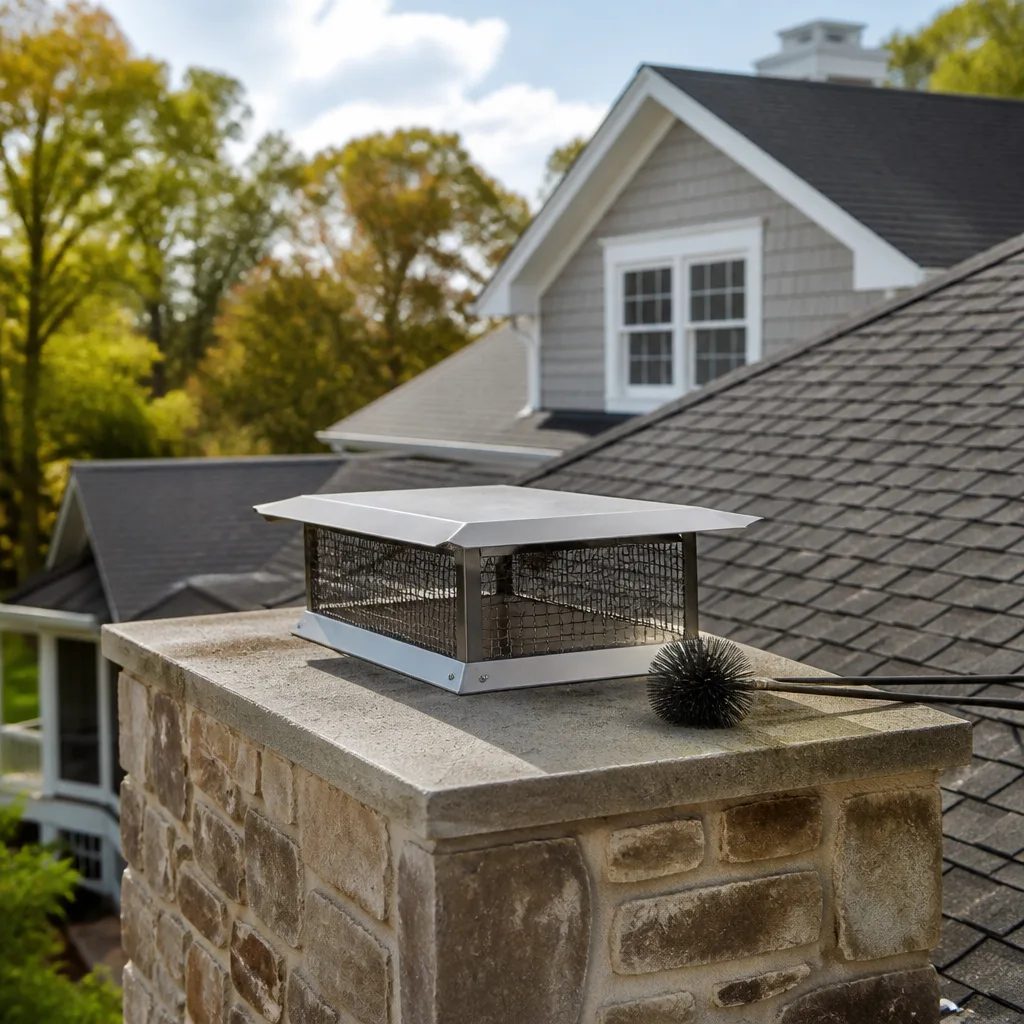
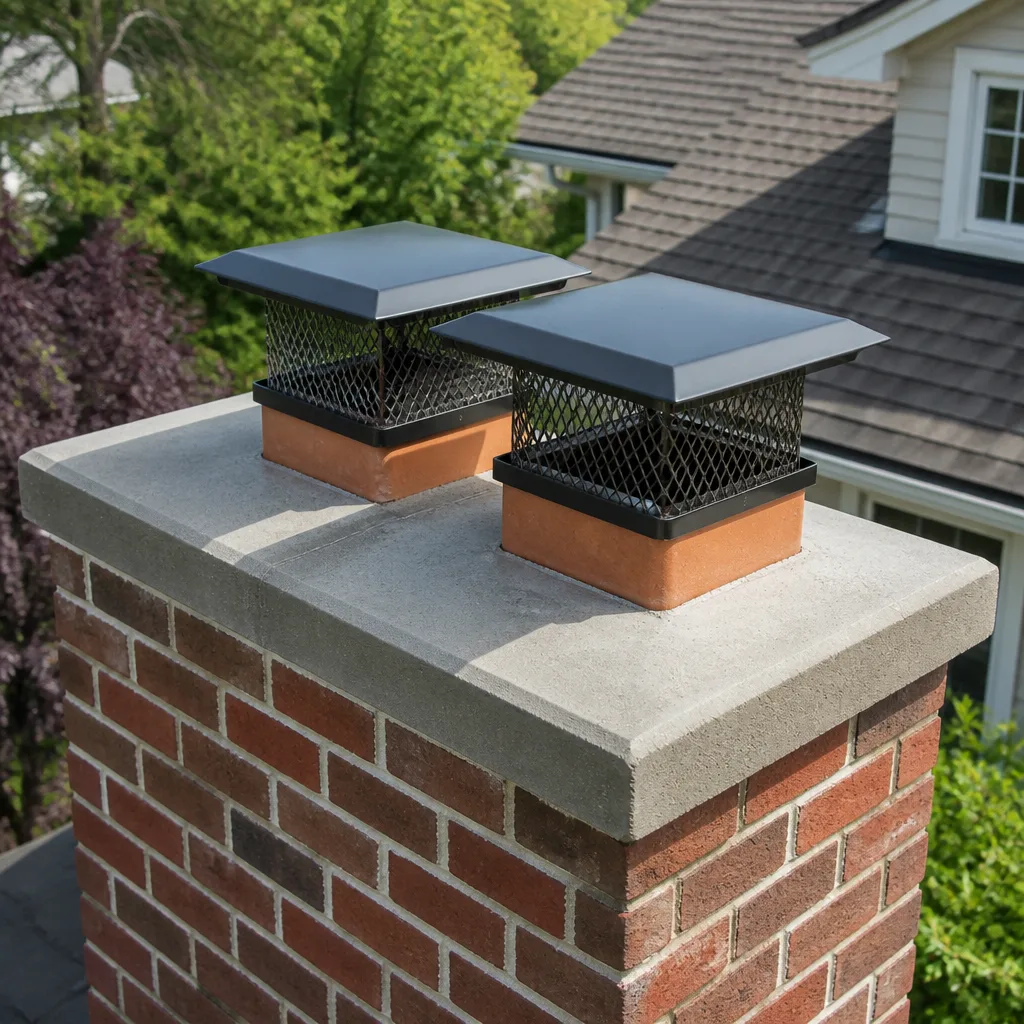
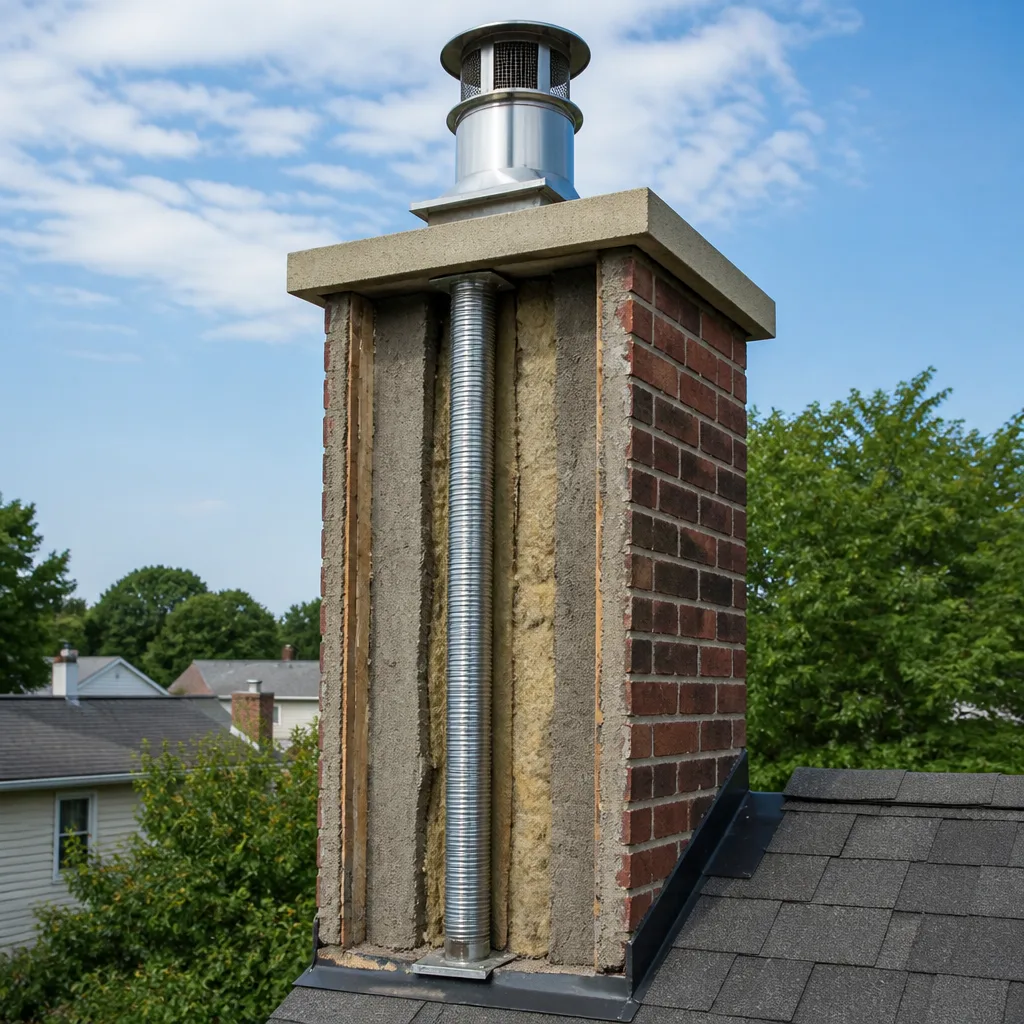
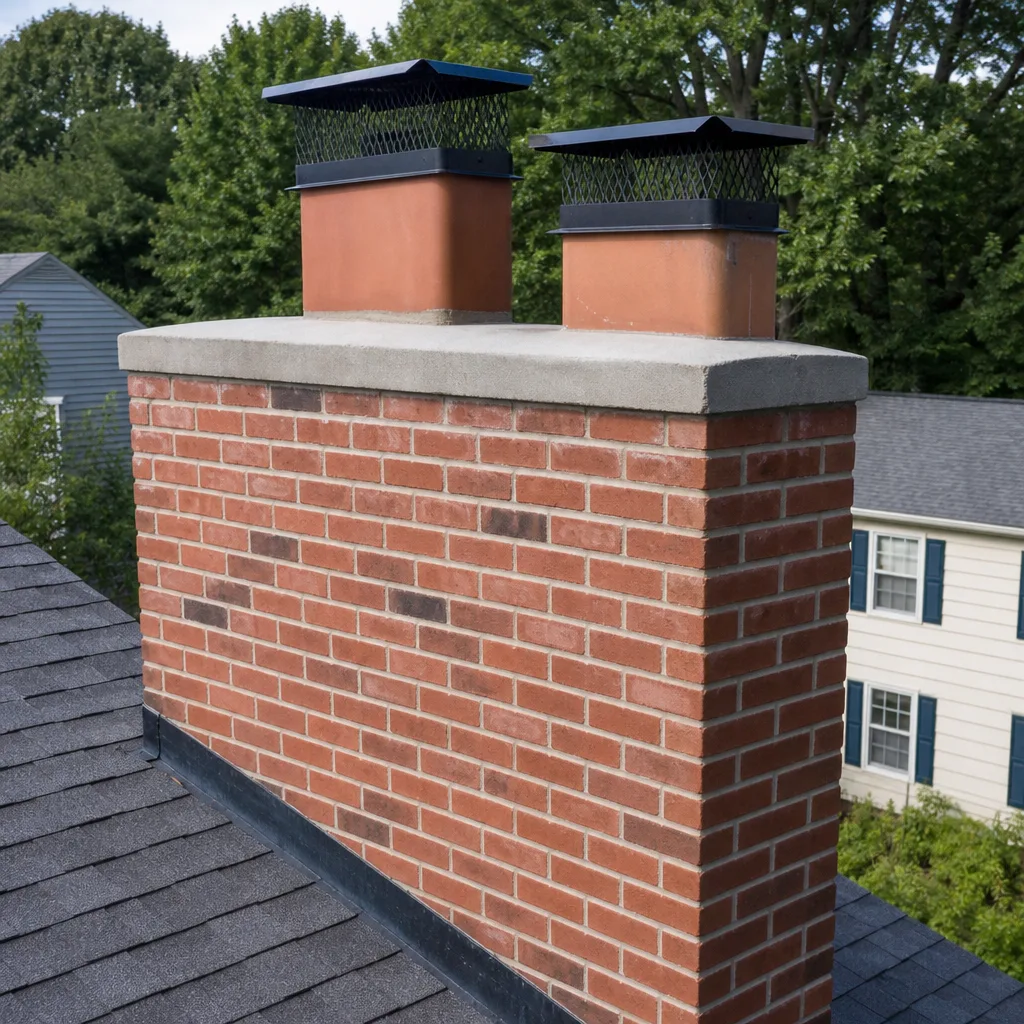
Level 1 sweep and inspection to the NFPA 211 annual standard - flue, crown, cap, and flashing checked and photographed
Chimney sweep logs do not sweep chimneys. They loosen some creosote - which then falls where a brush and vacuum still have to collect it.
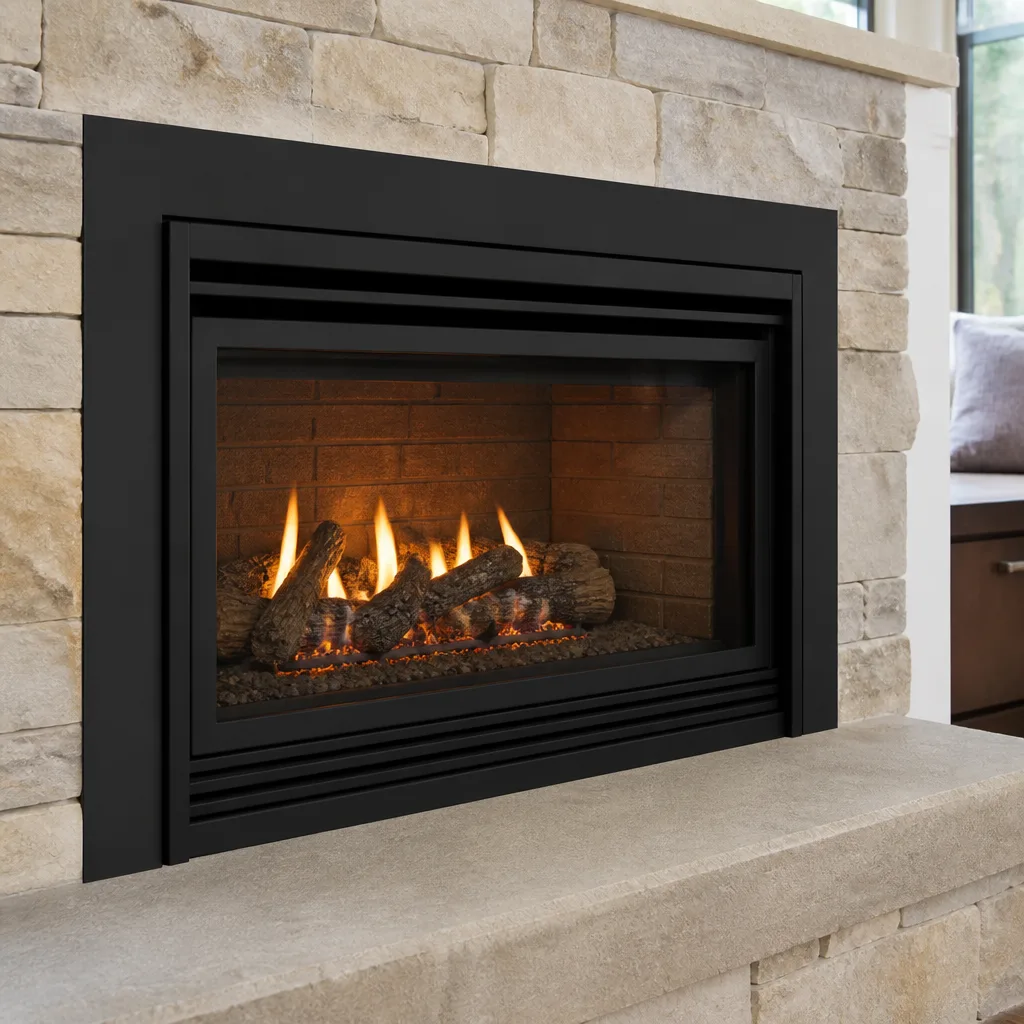
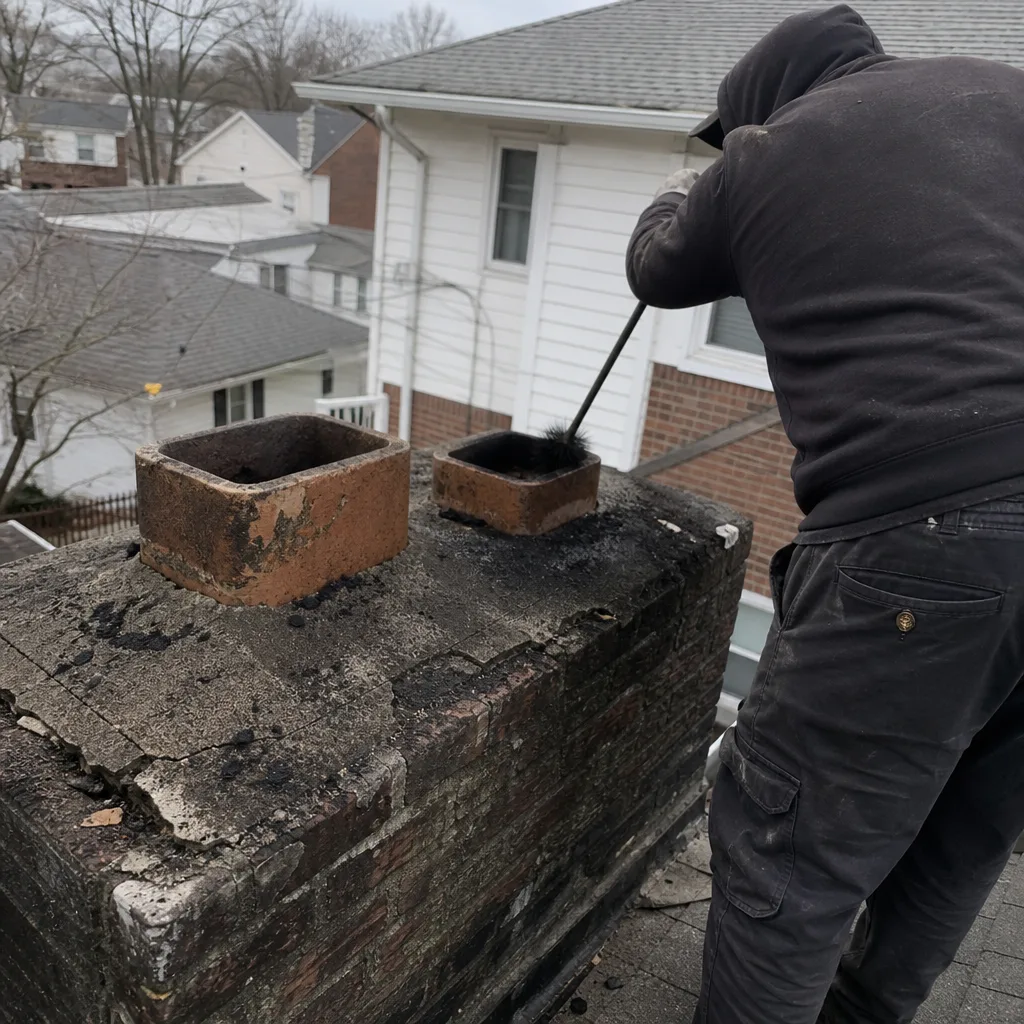 Before
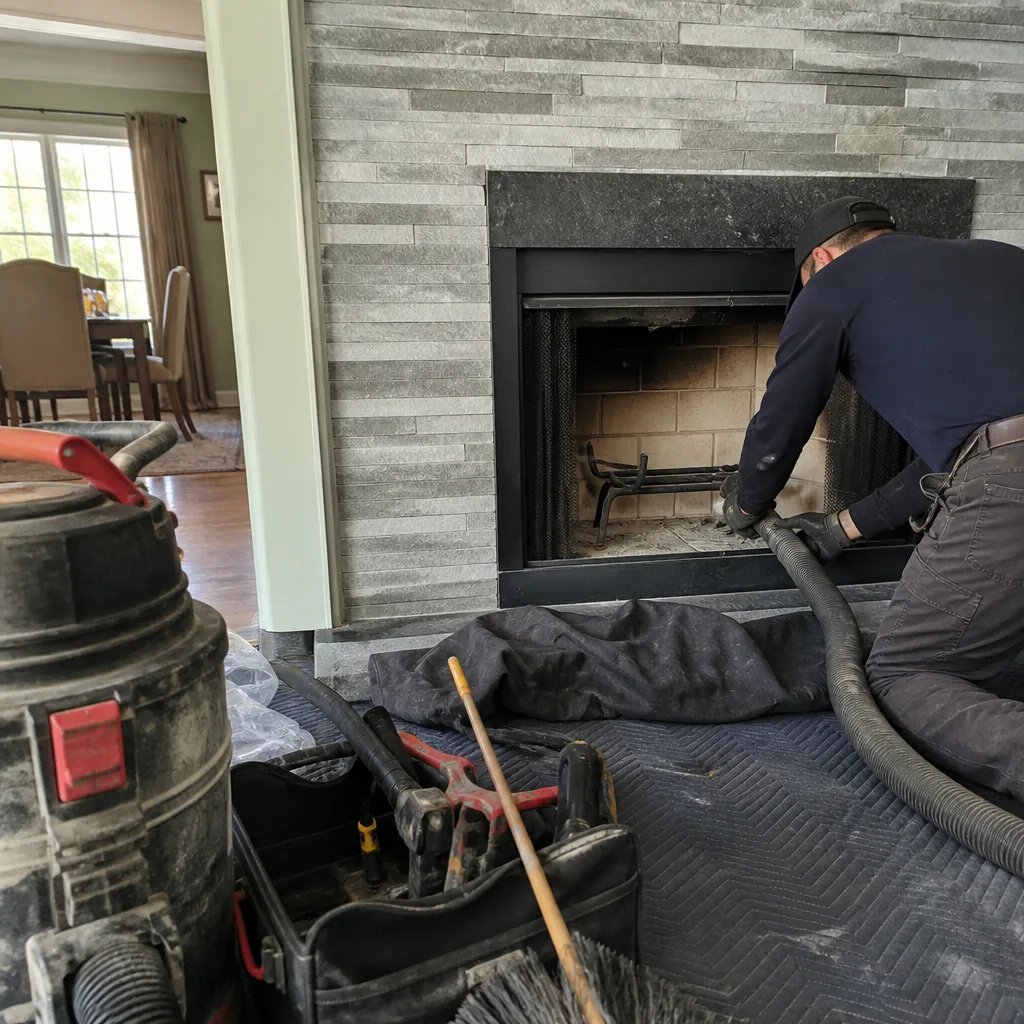 After
After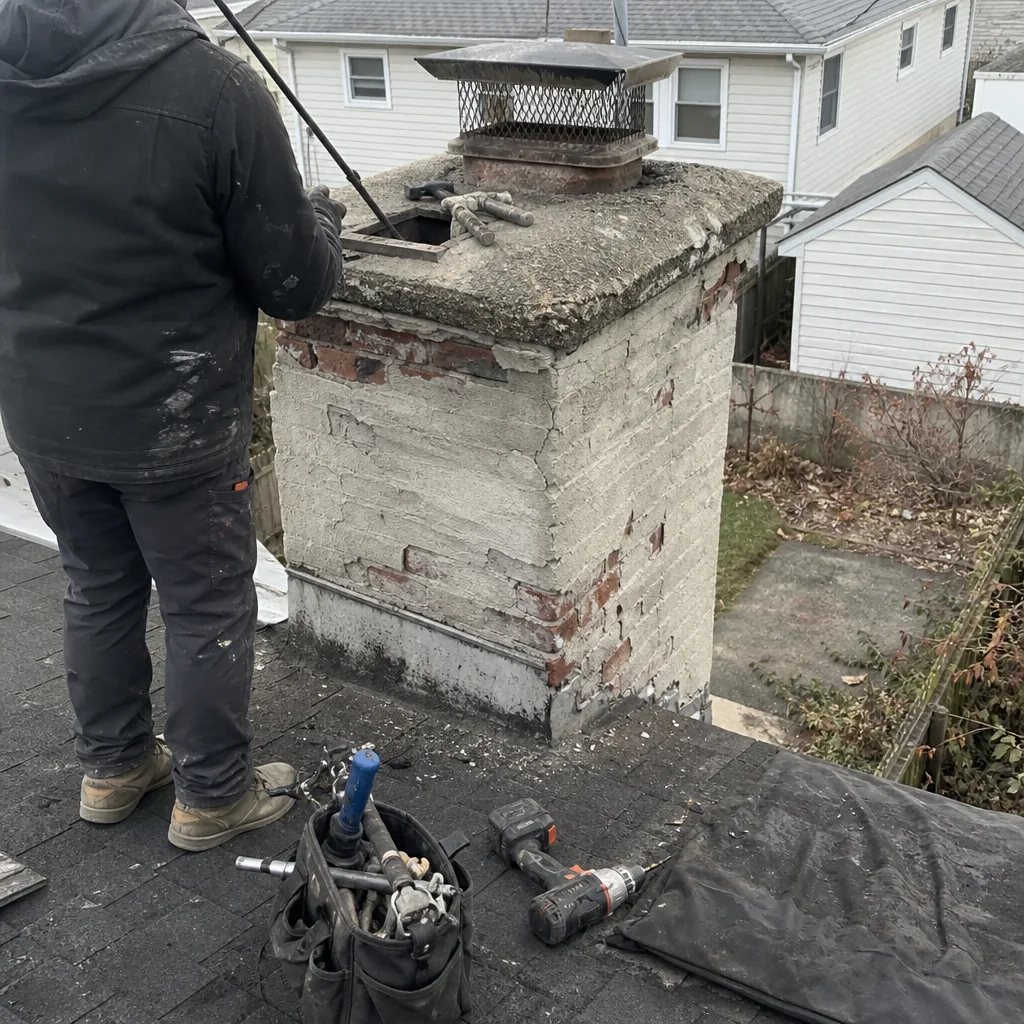 Before
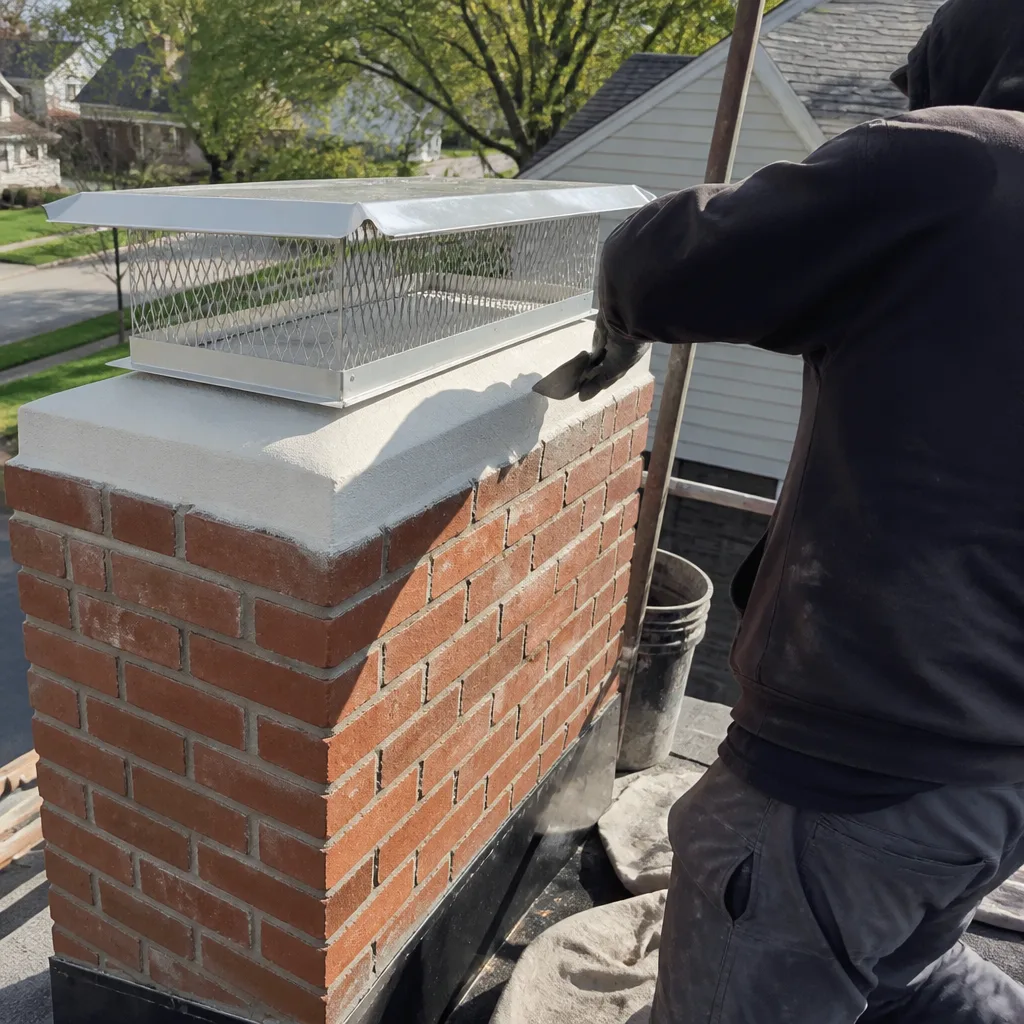 After
After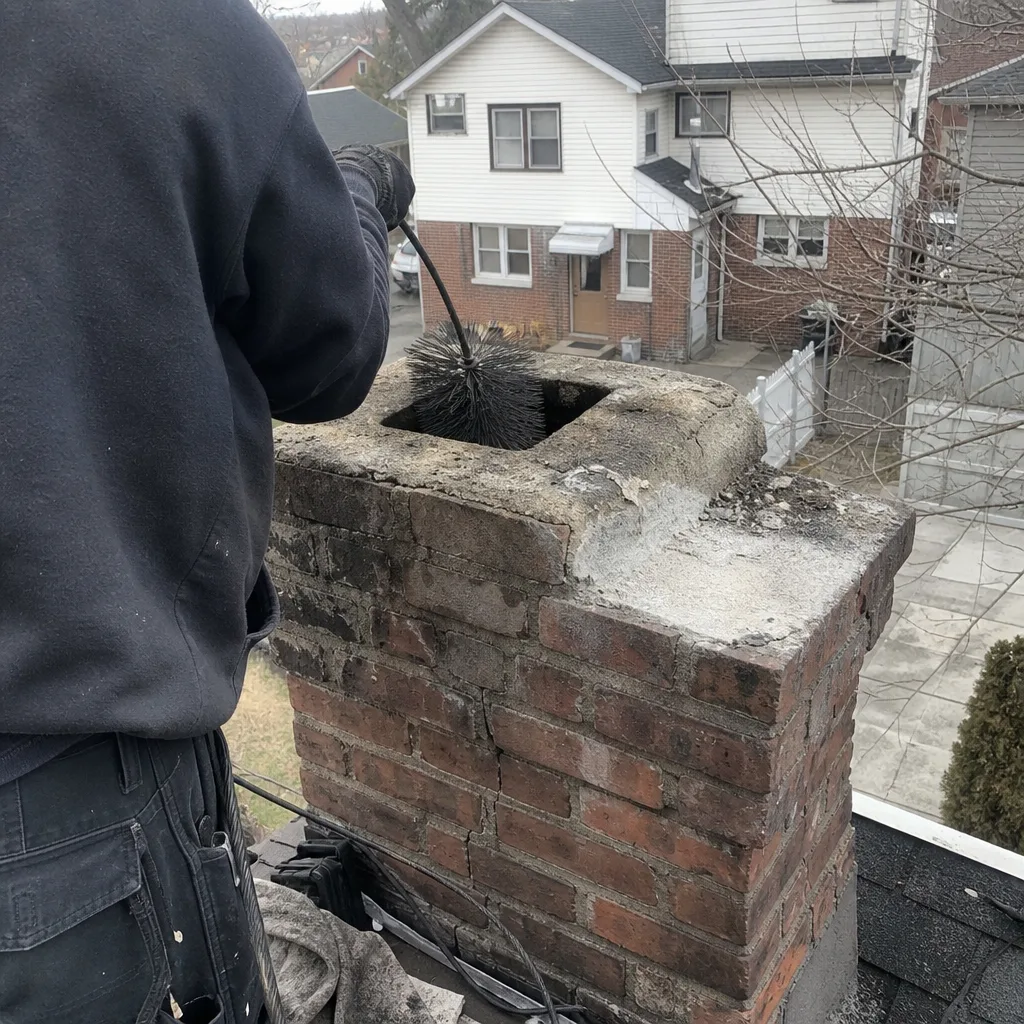 Before
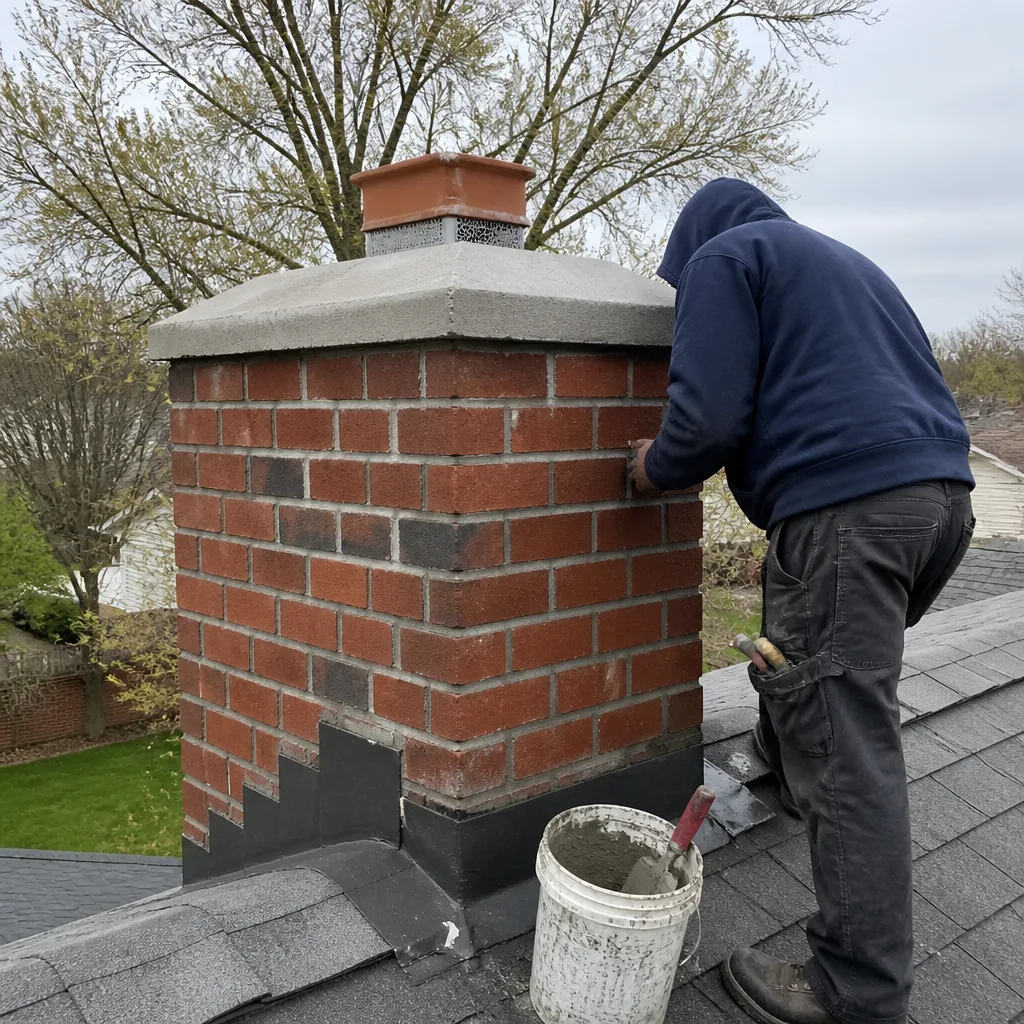 After
AfterThe Complete Guide to Chimney Cleaning in Jamaica
The NFPA estimates that one in six home fires involves a heating appliance, but in Queens neighborhoods with heavy pre-1960 masonry, the ignition risk isn’t creosote alone. It’s the liner deterioration left behind by decades of oil burner exhaust that no brush can fix. This guide walks through what chimney cleaning in Jamaica actually involves, why the borough’s salt air and housing stock make it different from what national guides describe, and how to know you’re getting a real inspection rather than a flashlight glance and a bill. For more guides & resources on chimney care, see our blog.
Quick Answer
Chimney cleaning in Jamaica, NY typically costs between $180 and $340 for a standard sweep, depending on flue condition, creosote buildup, and access. A proper cleaning should always be paired with a camera-scan inspection (NFPA 211 Level 2), especially in Jamaica’s pre-1960 masonry homes, where decades of oil burner exhaust have often damaged liners in ways a brush can’t address. Level Two Chimney Jamaica includes the camera scan and a documented photo record on every visit, with the written price confirmed before work starts.
Table of Contents
- What You’re Actually Buying When You Book a Chimney Cleaning in Jamaica
- Why Jamaica’s Oil-to-Gas Conversion History Changes What a ‘Cleaning’ Means
- Level 1 vs. Level 2: The Difference Between a Flashlight and a Camera
- How Salt Air Near Jamaica Bay Affects Your Chimney and Cleaning Schedule
- How to Read a Post-Cleaning Report (And What Its Absence Signals)
- The Price-Before-Work Standard: Why Verbal Quotes After Arrival Are a Problem
- Common Mistakes to Avoid
- When to Call a Professional
- Frequently Asked Questions
 Before
 After
AfterWhat You’re Actually Buying When You Book a Chimney Cleaning in Jamaica
A chimney cleaning is not one service. It’s a sequence: inspection, cleaning, documentation. Most homeowners only think about the middle step, the sweep itself, but the inspection is where the actual value sits. A brush removes what’s visible. A camera shows what isn’t.
In Jamaica, that distinction matters more than in most of the country. The housing stock here skews pre-1960, with original masonry chimneys that have seen fuel source changes, weather exposure, and decades of deferred maintenance. When we clean a chimney in a Jamaica brownstone or a 1920s Tudor near Rufus King Park, we’re often the first company to put a camera down the flue since the house was built.
Here’s the sequence any legitimate cleaning should follow, using the industry framing from NFPA 211:
- Visual inspection of accessible areas. The firebox, damper, smoke chamber, crown, and cap. This catches obvious problems: cracked panels, spalling brick, missing caps.
- Camera scan of the flue interior. This is the step most companies skip. A camera catches liner cracks, hidden gaps, and creosote class that a mirror and flashlight miss.
- Documented findings before any cleaning. You should see photos and hear specific descriptions: what class of creosote, what liner condition, what clearance issues.
- Written price for the cleaning scope, confirmed before work starts. Clause 1 of the Haven Standard, the operating standard Level Two Chimney Jamaica has worked under since 2009, requires a written price, written scope, and written warranty delivered before anyone touches the flue.
- The sweep itself. Brushes sized to the flue, appropriate for the creosote class, with drop cloths and HEPA vacuuming as standard.
- Post-cleaning camera pass and photo record. You should see the after. Not a verbal “looks good,” but images showing what was removed and what remains.
What you’re buying is evidence. Photos of the liner before and after. A written description of what was found. A written price that was agreed to before work began. In our experience, the companies that resist this sequence in Jamaica are usually the ones with something to hide about their process or their pricing. Our How to Hire a Chimney Cleaning Contractor in Jamaica: A Step-by-Step Guide can help you avoid them.
Why Jamaica’s Oil-to-Gas Conversion History Changes What a ‘Cleaning’ Means
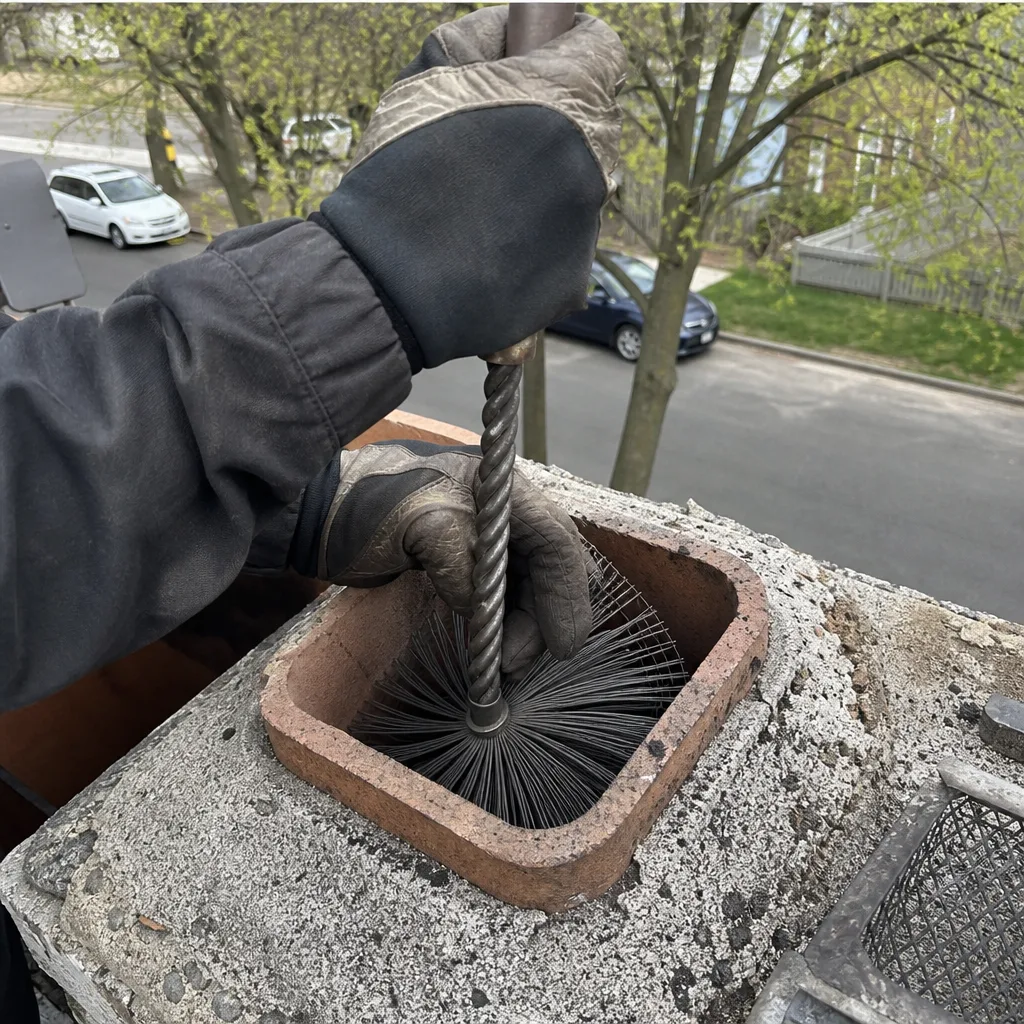
Here’s a fact most national guides miss entirely: Jamaica and the surrounding Queens neighborhoods went through a massive oil-to-gas conversion wave between the 1960s and the 1990s. Thousands of standalone homes and multi-family buildings switched from No. 2 heating oil to natural gas. That conversion left a specific signature in the chimney flues.
Oil burners run hot and produce acidic exhaust. Decades of that exhaust corrodes terra cotta flue liners from the inside, creating a pattern called vertical cracking, where the liner tiles split along their length. When the gas line goes in and a new, cooler-burning appliance is connected, the flue doesn’t self-heal. The cracks stay. And now you have a gas appliance venting through a compromised liner into the masonry cavity.
The problem is invisible without a camera. A brush sweep will remove creosote and soot, but it won’t identify liner cracks. It won’t tell you that the flue is no longer a sealed passage. It won’t tell you that carbon monoxide has a route into your wall cavities. In Jamaica’s converted housing stock, a chimney cleaning that doesn’t include camera documentation is a cleaning that answers the wrong question.
We see this pattern regularly in homes around Jamaica Center and South Jamaica. The homeowner books a sweep, expects a brush and a bill, and instead we show them footage of cracked liner tiles with a gap you could slide a butter knife through. The cleaning still happens. But the conversation shifts to what the liner actually needs, and whether the flue is safe to use in the meantime.
Level 1 vs. Level 2: The Difference Between a Flashlight and a Camera
NFPA 211, the standard the chimney industry builds on, defines three levels of inspection. Understanding the difference between Level 1 and Level 2 is the single most useful thing you can do before booking a chimney cleaning in Jamaica.
Level 1: A visual inspection of readily accessible areas. The technician looks at the firebox, damper, smoke chamber, crown, and cap with a flashlight. No camera goes down the flue. No climbing on the roof beyond basic access. This is appropriate for a chimney that’s been routinely used and maintained, with no changes to the system.
Level 2: Everything in Level 1, plus a camera scan of the flue interior. The technician puts a video camera on the end of a flexible rod and sends it through the entire flue run. This is the inspection NFPA 211 requires when a property is sold, when an appliance changes, when the fuel type changes, or when any event could have damaged the chimney (a chimney fire, a lightning strike, an earthquake). It is also what Level Two Chimney Jamaica defaults to on every cleaning visit, regardless of whether any of those triggers apply.
The camera is the difference between “no visible issues” and a documented record of what’s actually happening inside the flue. A Level 1 flashlight check can’t see a cracked liner at the midpoint of a 30-foot run. A Level 2 camera scan can, and produces footage you can watch yourself.
Since 2009, Level Two Chimney Jamaica has made camera-scan documentation the default on every job, a practice that became Clause 4 of the Haven Standard. In our view, if a company in Jamaica offers a “chimney cleaning and inspection” without a camera, they’re selling a partial service. The inspection part isn’t real.
How Salt Air Near Jamaica Bay Affects Your Chimney and Cleaning Schedule
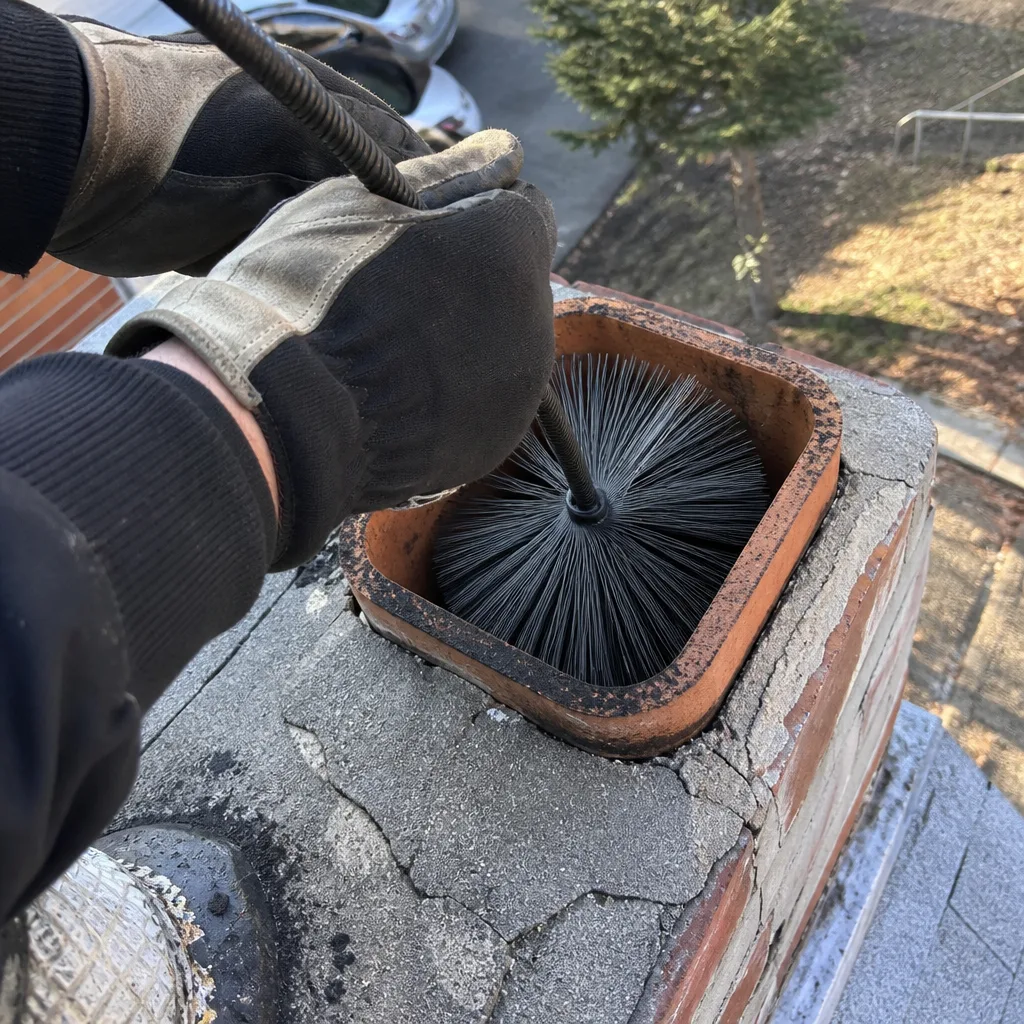
Jamaica isn’t uniform. The neighborhoods closer to Jamaica Bay, roughly anything south of Linden Boulevard toward the Belt Parkway, sit close enough to salt air to see accelerated mortar deterioration. Homes north of Hillside Avenue, further from the water, see less of it.
The mechanism is straightforward. Salt-laden air settles on masonry. When rain or humidity hits the brick and mortar, the salt draws moisture deeper into the material. Freeze-thaw cycles then do the damage. In Jamaica’s climate, with winter temperatures regularly dipping below freezing and spring bringing heavy rain, that cycle repeats dozens of times per season. Mortar joints erode. Small cracks become larger ones. Water finds a path into the flue.
What this means for a chimney cleaning is that Bay-adjacent homes should not go the full 12 months between sweep and inspection visits. For a full schedule tailored to local conditions, see our Seasonal Chimney Cleaning Care for Jamaica: Year-Round Homeowner’s Guide. If you’re burning wood in a fireplace south of Linden, we recommend checking the crown and upper masonry each time you clean, which for active burners means at least annually. The cleaning frequency for the flue itself stays the same, determined by burn rate and creosote type, but the inspection component carries more weight in salt-air zones.
Inland Jamaica addresses have their own pattern. The predominant issue there is less about salt and more about age. Original terra cotta liners in 1920s and 1930s construction have simply reached the end of their service life. When we inspect a chimney on a tree-lined street near St. John’s University, the conversation is often about liner replacement rather than cleaning frequency.
One more Jamaica-specific note: the borough’s older roof lines are often low-pitch, which means water sits longer after rain. A chimney crown that’s cracked or a cricket (the small peaked roof structure behind the chimney that diverts water) that’s missing or undersized compounds the problem, because water pools against the chimney base and works its way into the masonry. None of this is addressed by a brush. All of it is visible during a proper inspection.
How to Read a Post-Cleaning Report (And What Its Absence Signals)
After a legitimate chimney cleaning in Jamaica, you should walk away with documentation. Not a verbal summary. Not a scribbled note on carbon paper. A documented record. Here’s what a complete post-cleaning report includes, and why each element matters.
Pre-work photos. Images of the flue interior before any work was done. These show the baseline: what the creosote looked like, where it was concentrated, what the liner condition was. Without pre-work photos, any claim about what was “bad” before is unfalsifiable.
Post-work photos. Images of the same flue after the sweep. This is the evidence the cleaning actually happened and that specific problems were addressed. If a company refuses to show you the after, treat that as a red flag.
Creosote class or measurement. The industry classifies creosote in three stages. Class I is flaky and easy to remove. Class II is tar-like and denser. Class III is hard, shiny, glaze-like, and cannot be removed by a standard brush. Knowing the class tells you whether the cleaning was thorough or whether the flue needs chemical treatment or liner replacement.
Liner condition notes. Written findings on what the liner looked like: intact, minor spalling, vertical cracking, missing sections. These notes should be specific enough that any other technician could read them and understand the condition.
Written price and scope, before and after. You should have a written price from before work started. If the price changed during the job, there should be a written explanation for why. No verbal adjustments after the fact.
Warranty terms. What’s covered, for how long, and how to make a claim. Level Two Chimney Jamaica calls this the Done Right Promise: if it’s not done right, we make it right, for 365 days. That promise is stamped on every job under the Haven Standard.
What does the absence of these elements signal? At minimum, a company that doesn’t document its work is a company you can’t verify. At worst, it’s a deliberate strategy. A chimney cleaning with no photos is a service you’re taking on faith. That faith is expensive when the flue is old and the liner has a crack that camera footage would have shown immediately.
The Price-Before-Work Standard: Why Verbal Quotes After Arrival Are a Problem
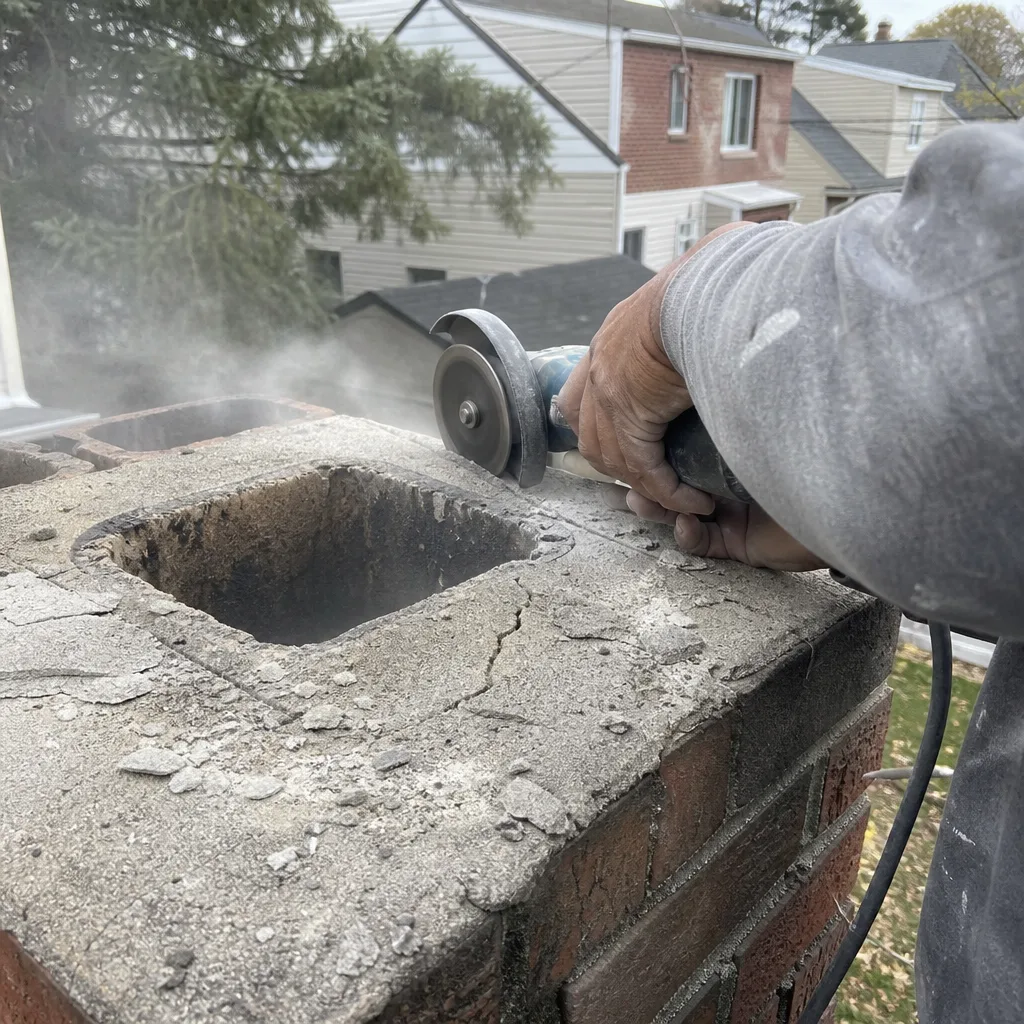
Here’s the structural conflict baked into the chimney cleaning industry: the technician who arrives at your door is often both the worker and the salesperson. They have an incentive to find problems, because problems mean additional charges. If the price is verbal and subject to change after they’re already in your home, you’re negotiating from a position of absolute ignorance about what’s real.
This is why Clause 1 of the Haven Standard requires a written price, a written scope, and a written warranty before anyone starts. Not after. Not “we’ll take a look and let you know.” Before.
In Jamaica’s housing stock, this issue is compounded by the age of the flues. A technician who wants to upsell can find something in nearly any pre-1960 chimney: a minor crack, a loose brick, a crown that “should be redone.” Without photographic evidence, you have no way to evaluate the claim. With camera footage of the actual condition, the conversation changes from persuasion to documentation.
The written-price-before-work standard also changes how the work is scoped. If a company knows it has to commit to a price and scope before touching anything, it has to be precise. That precision is the point. You should know exactly what you’re paying for, in dollars, before the sweep truck pulls away from the curb.
When we quote a cleaning in Jamaica, the quote is written. It includes the cleaning scope, the inspection level, what’s included in the documentation, and the warranty terms. If unexpected conditions are found during the work, those are discussed with you, photographed, and priced in writing before we proceed. That’s how the sequence is supposed to work.
Common Mistakes to Avoid
- Booking a sweep without an inspection. A brush removes creosote, but it doesn’t tell you whether the liner is cracked, the crown is failing, or the flue is safe to use. In Jamaica’s pre-1960 housing stock, skipping the inspection is how homeowners go years without knowing their flue has a structural problem.
- Accepting a verbal quote after the technician arrives. If the price wasn’t written before the technician crossed your threshold, you don’t have a quote. You have a negotiation. The power imbalance in that negotiation is entirely one-sided.
- Trusting a cleaning that comes with no photos. A camera scan produces images. If the company in Jamaica can’t show you the before and after, there’s no evidence the inside of your flue was ever examined.
- Waiting 12 months between cleanings when you burn actively. The industry guidance is that a chimney should be cleaned when creosote reaches 1/8 inch of buildup, which for active wood burners in Jamaica can happen well before the 12-month mark. Burn rate drives the schedule, not the calendar.
- Assuming a gas fireplace doesn’t need the flue inspected. Gas appliances produce less combustible creosote, but they still vent through a flue that can be cracked, blocked, or deteriorated. A Jamaica home that converted from oil to gas still has the original liner, and that liner still needs a camera look.
- Patching visible masonry without addressing why it failed. If the crown is cracked and water is getting into the bricks, repointing the face of the chimney without fixing the crown just moves the damage inward. In Jamaica’s freeze-thaw cycle, that’s a one-season reprieve.
- Not asking about warranty terms. A cleaning backed by a written warranty is a service the company stands behind. A cleaning with no warranty language is a bet you’re making alone. The 365-Day Done Right Promise exists specifically so the homeowner doesn’t bear that risk silently.
When to Call a Professional
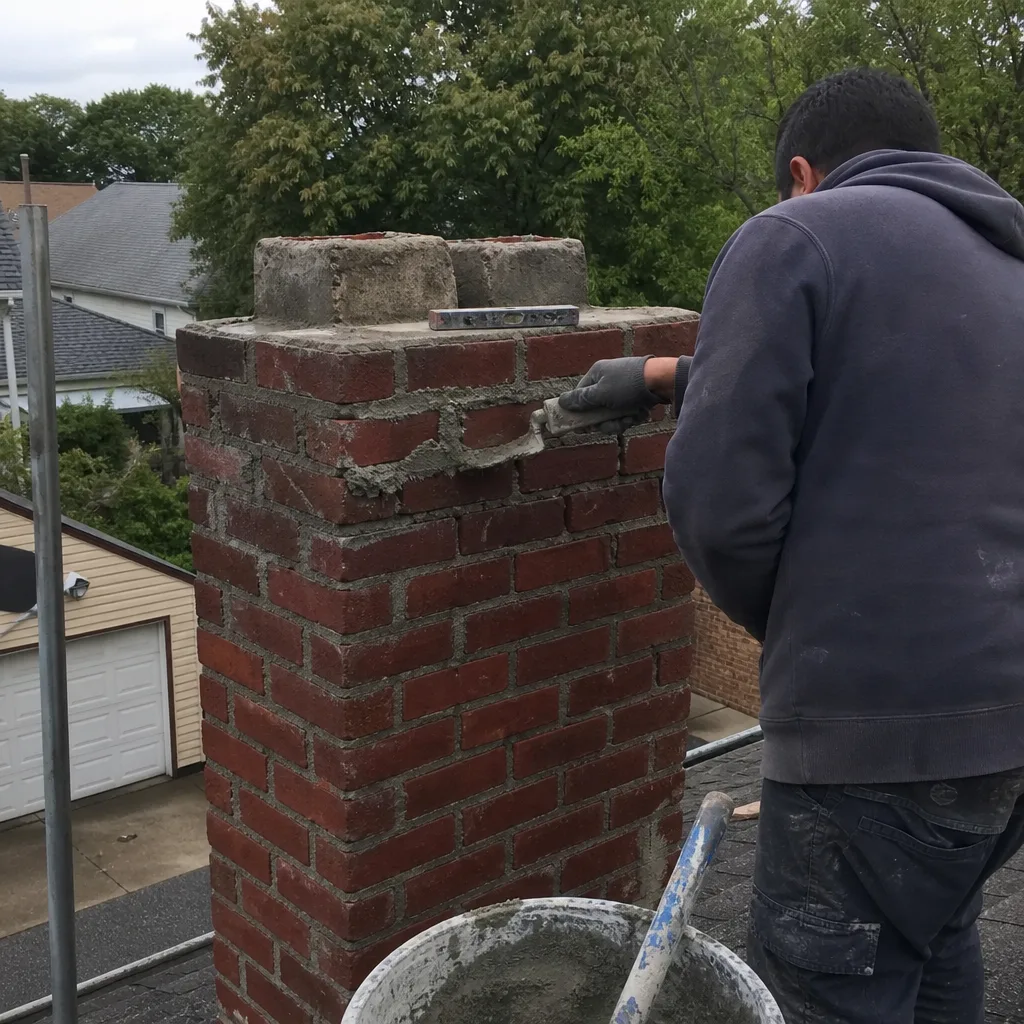
Some warning signs don’t wait for the annual appointment. If you smell smoke inside the home when the fireplace is not in use, that indicates air is moving the wrong direction through the flue, often because of a blockage or pressure issue. If you see dark staining on the wall above the fireplace or hear rustling sounds from inside the chimney, the flue may have a tenant that needs removal, not just a sweep. Water stains on the ceiling near the chimney chase point to a failed flashing or crown, both of which a cleaning will not fix. And if you know the home was converted from oil to gas and no one has ever put a camera down the flue, that’s reason enough to book an inspection even if you haven’t burned a fire in years. Level Two Chimney Jamaica offers free estimates in Jamaica - call (516) 240-9612.
Frequently Asked Questions
A standard chimney cleaning in Jamaica typically runs between $180 and $340, with the variance driven by flue length, creosote class, and access difficulty. The price should be written and confirmed before work starts. Call (516) 240-9612 for an exact quote - estimates are free.
You need a new liner only if camera footage shows damage that the liner cannot safely contain: vertical cracking, missing sections, or gas flues venting through a compromised passage. A legitimate company in Jamaica will show you the footage and explain the finding in plain terms before recommending replacement. If no one has shown you camera images, the question isn’t answered yet.
The standard guidance is to clean when creosote reaches 1/8 inch of buildup, which for active wood burners in Jamaica typically means once per burning season. Homes burning more than three cords of wood per year or burning unseasoned wood may need more frequent sweeps, while gas fireplaces can often go longer. The inspection component should happen annually regardless of use.
Creosote buildup alone can ignite at roughly 450 degrees Fahrenheit, and a chimney fire can crack a liner and spread heat to surrounding framing before you even know it’s happening. In Jamaica’s older masonry, the added variable is pre-existing liner damage that a camera would have caught. Skipping the cleaning also means skipping the inspection, which is where the real risk sits.
Yes, in Jamaica specifically. The borough’s housing stock is old enough that liner condition is the primary variable, not creosote volume. A fireplace that “seems fine” can have a hidden liner crack that a camera scan catches immediately. Since 2009, Level Two Chimney Jamaica has included camera documentation on every visit, and that practice is now embedded in Clause 4 of the Haven Standard.
Look for a company that provides written pricing before work starts, camera-scan inspection as standard, a documented photo record on completion, and a written warranty. Calls should be answered by a live person, and the technician who arrives should be background-checked and uniformed. If any of those elements is missing, you’re not comparing equivalent services. Call (516) 240-9612 for a free estimate with a written price.
The Bottom Line
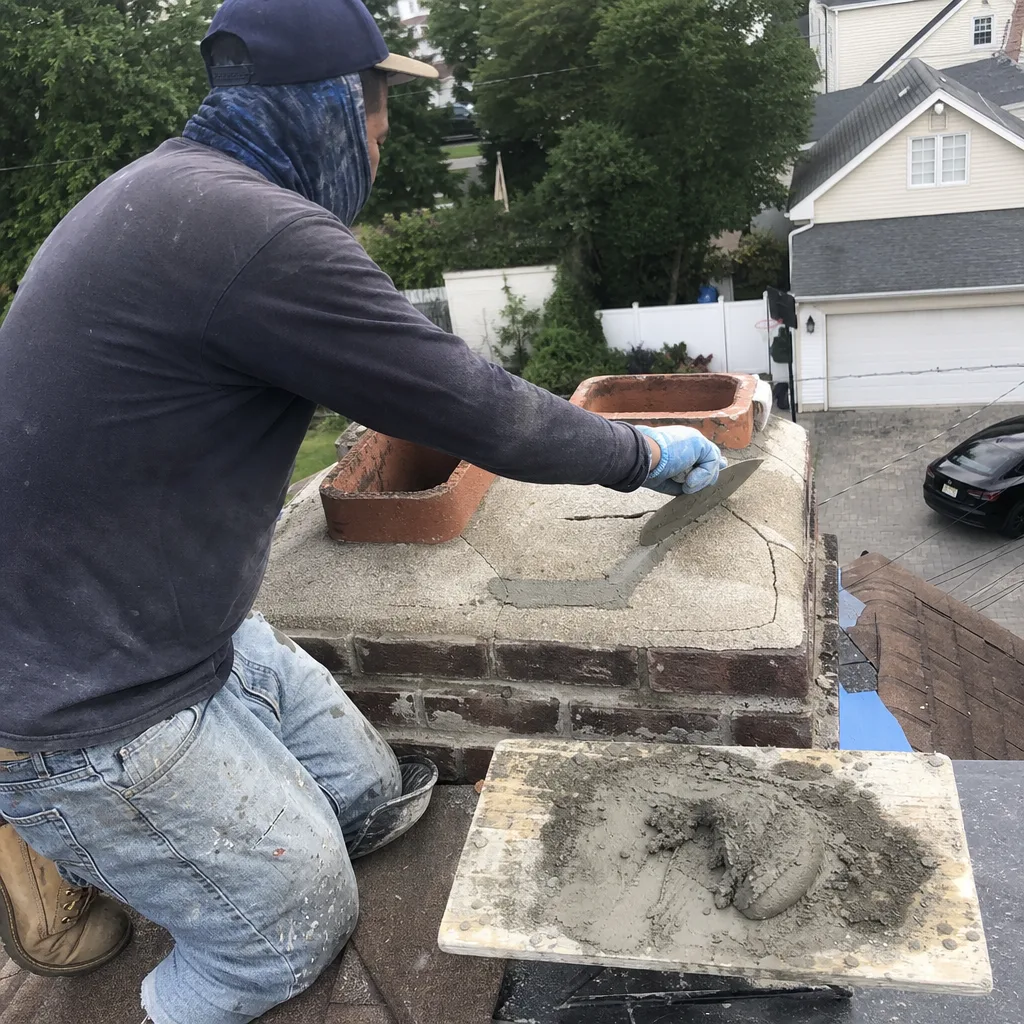
Chimney cleaning in Jamaica is a sequence, not a single service. The sweep itself is the easiest part. What matters is everything around it: a camera scan that documents the flue’s actual condition, a written price that doesn’t change after the technician arrives, a photo record you can hold onto, and an inspection standard that’s built for the borough’s specific history of oil-to-gas conversions and salt-air exposure. A company that skimps on the documentation isn’t saving you money. It’s hiding the thing you most need to see. Level Two Chimney Jamaica has worked under the Haven Standard since 2009, with camera-scan inspection on every job, written pricing before work starts, and a 365-Day Done Right Promise stamped on every visit in Jamaica.
Written by Corrine Halstead, Owner at Level Two Chimney Jamaica, serving Jamaica since 2009.