
Last updated September 20, 2026
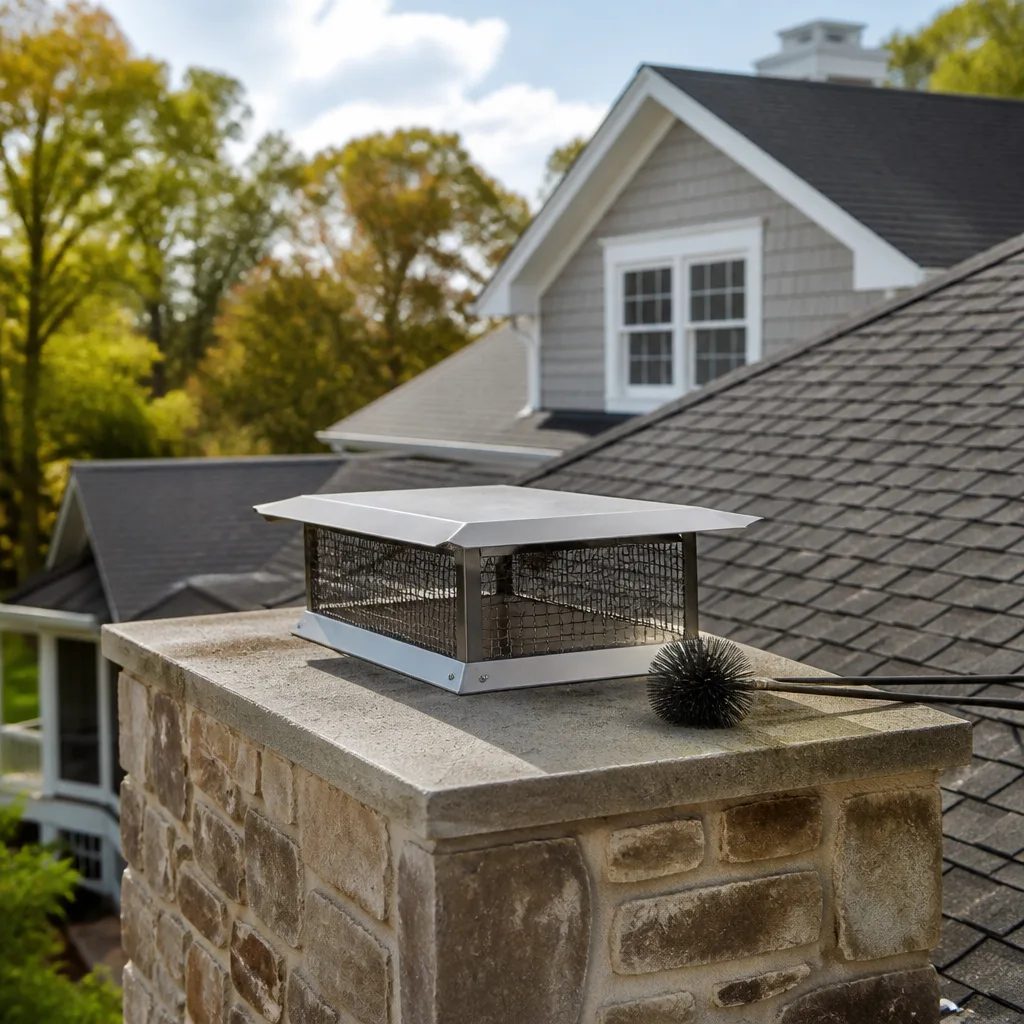
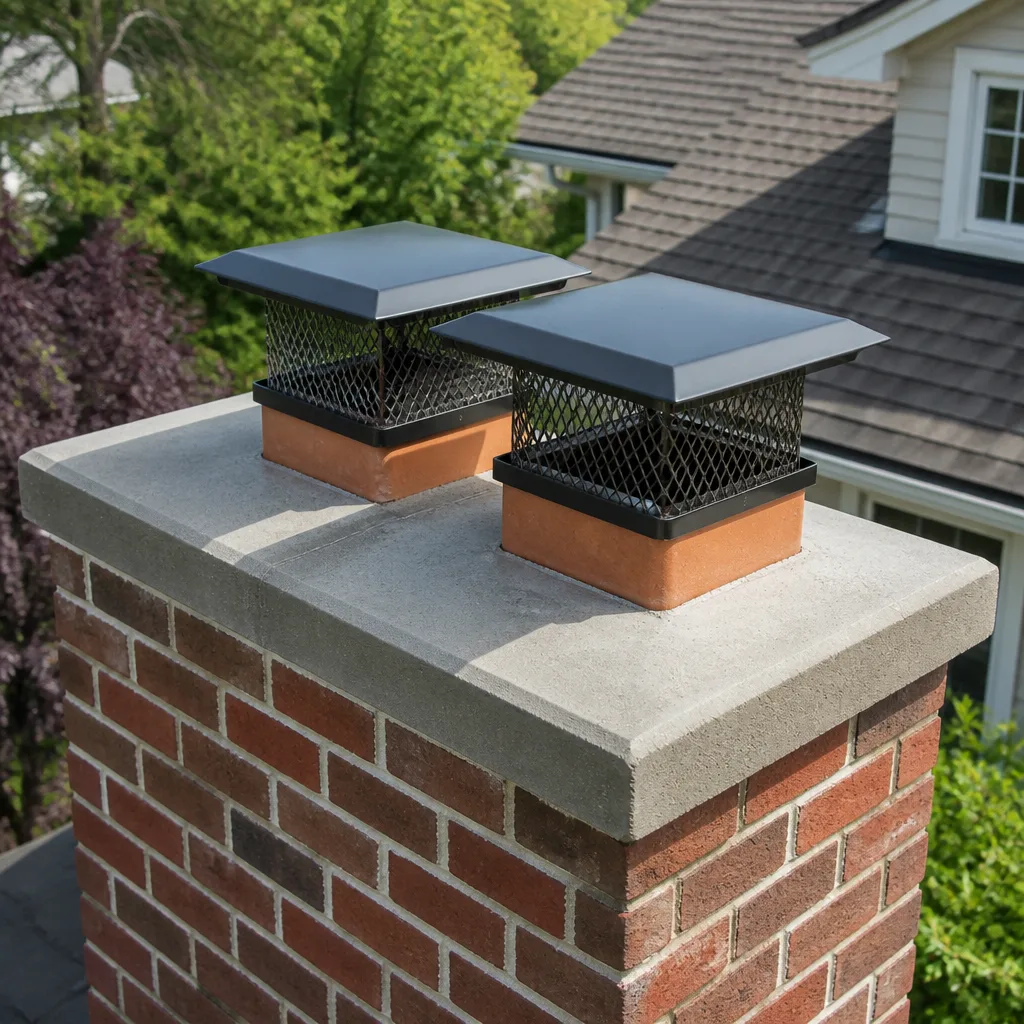
Level 1 sweep and inspection to the NFPA 211 annual standard - flue, crown, cap, and flashing checked and photographed
Chimney sweep logs do not sweep chimneys. They loosen some creosote - which then falls where a brush and vacuum still have to collect it.
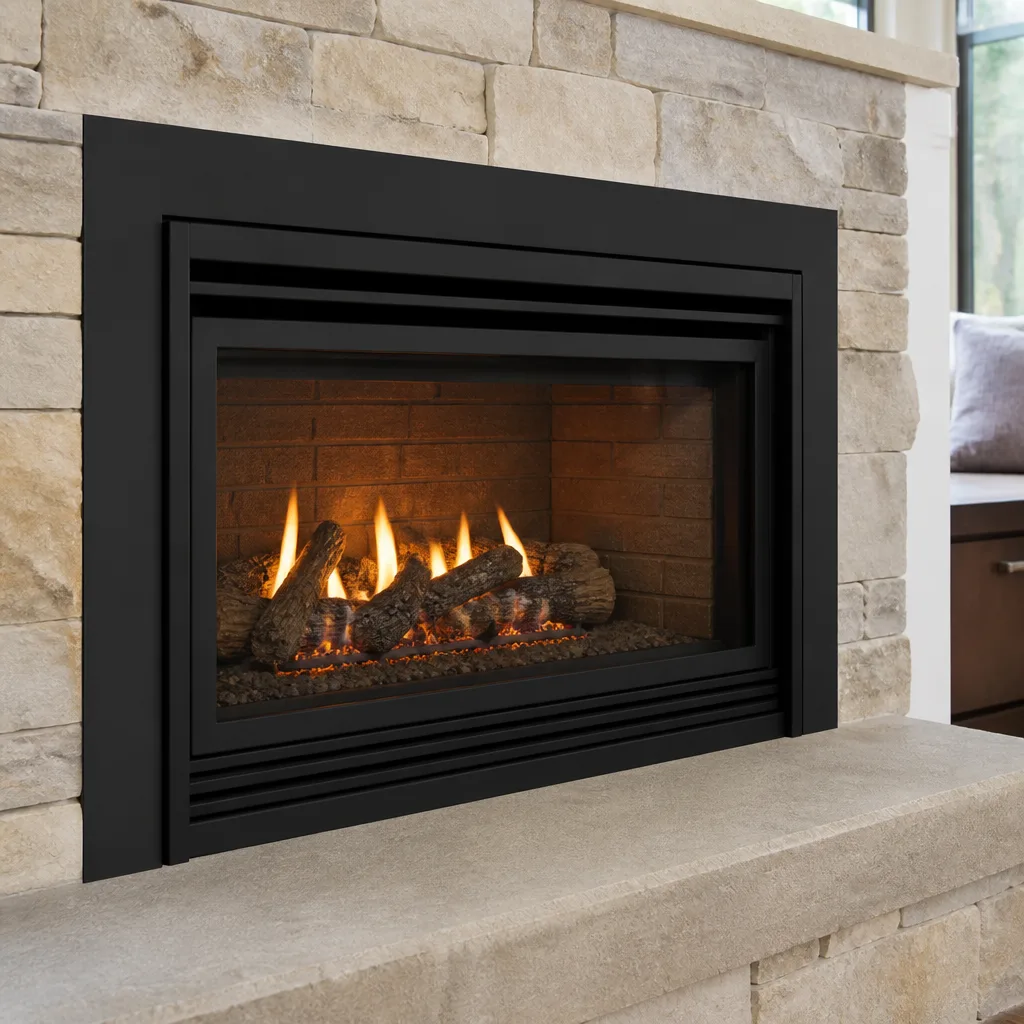
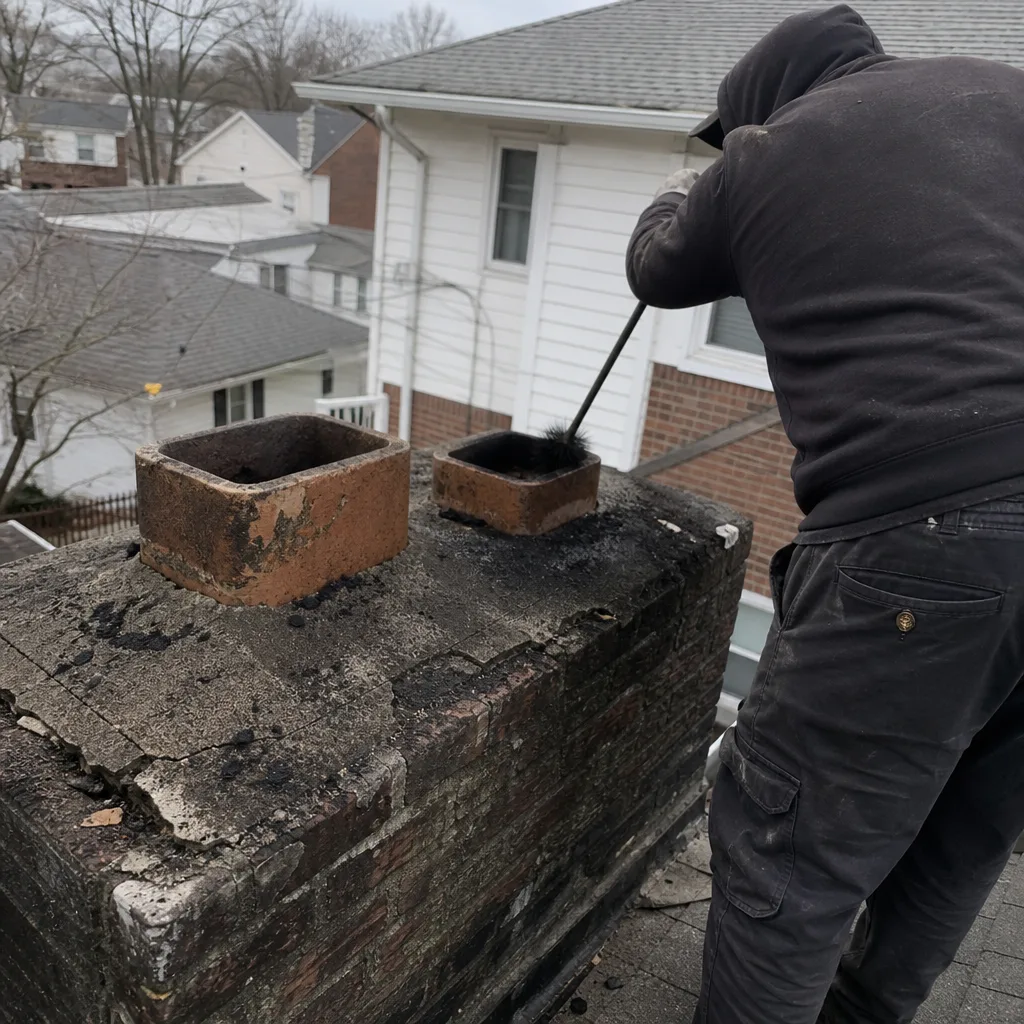 Before
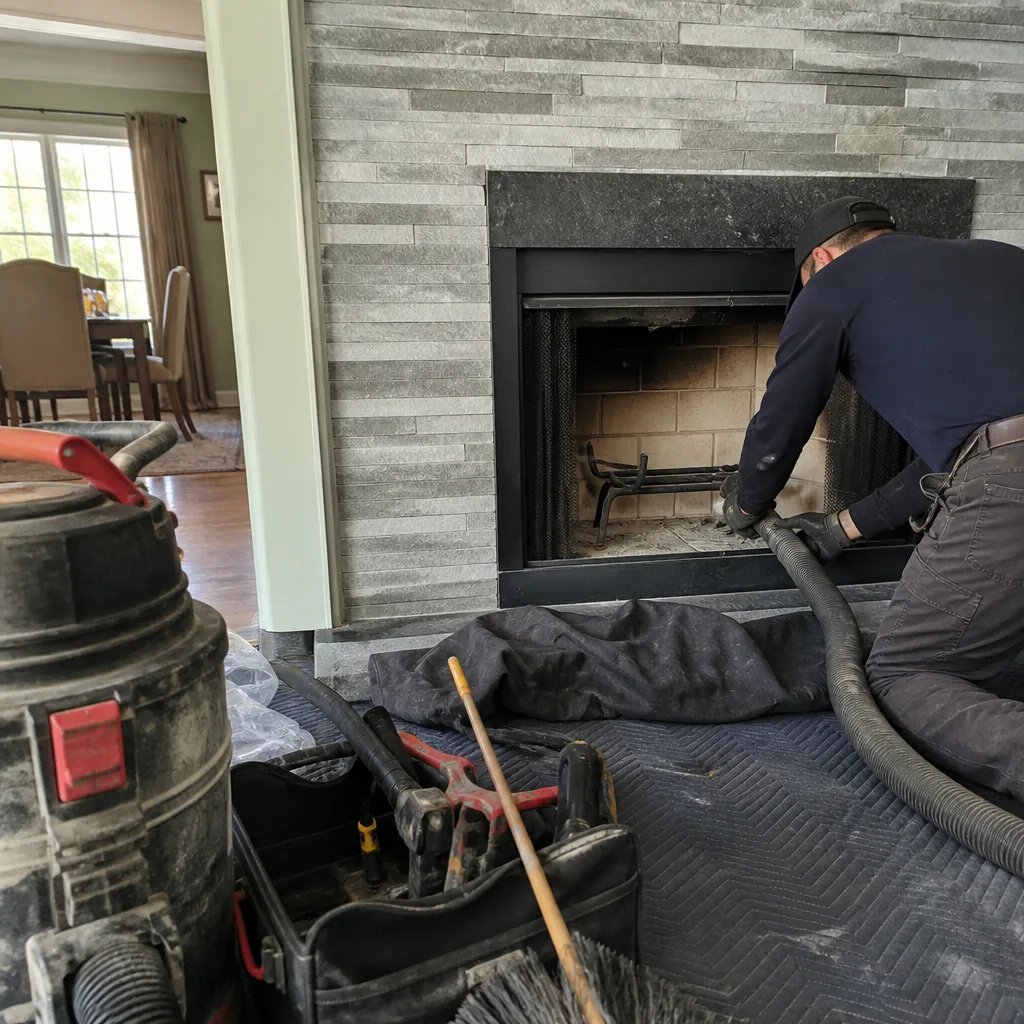 After
After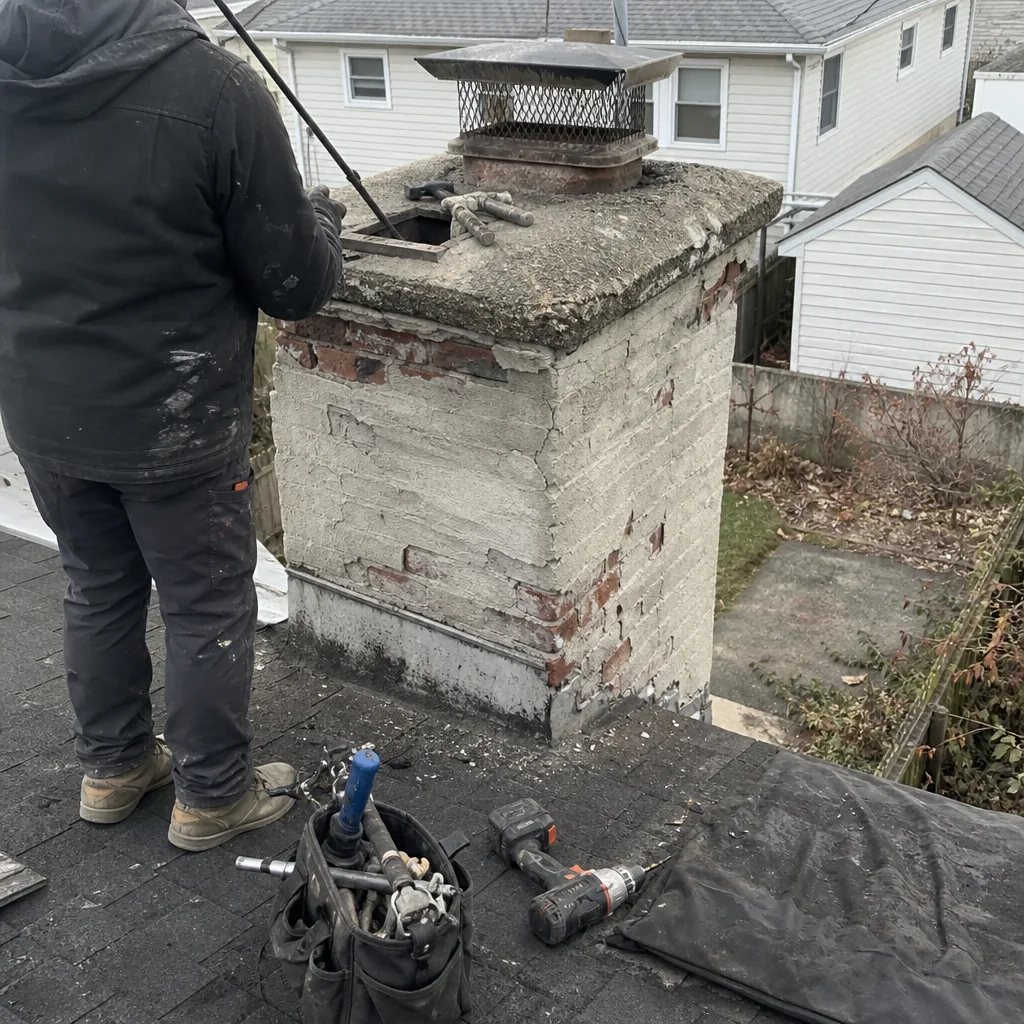 Before
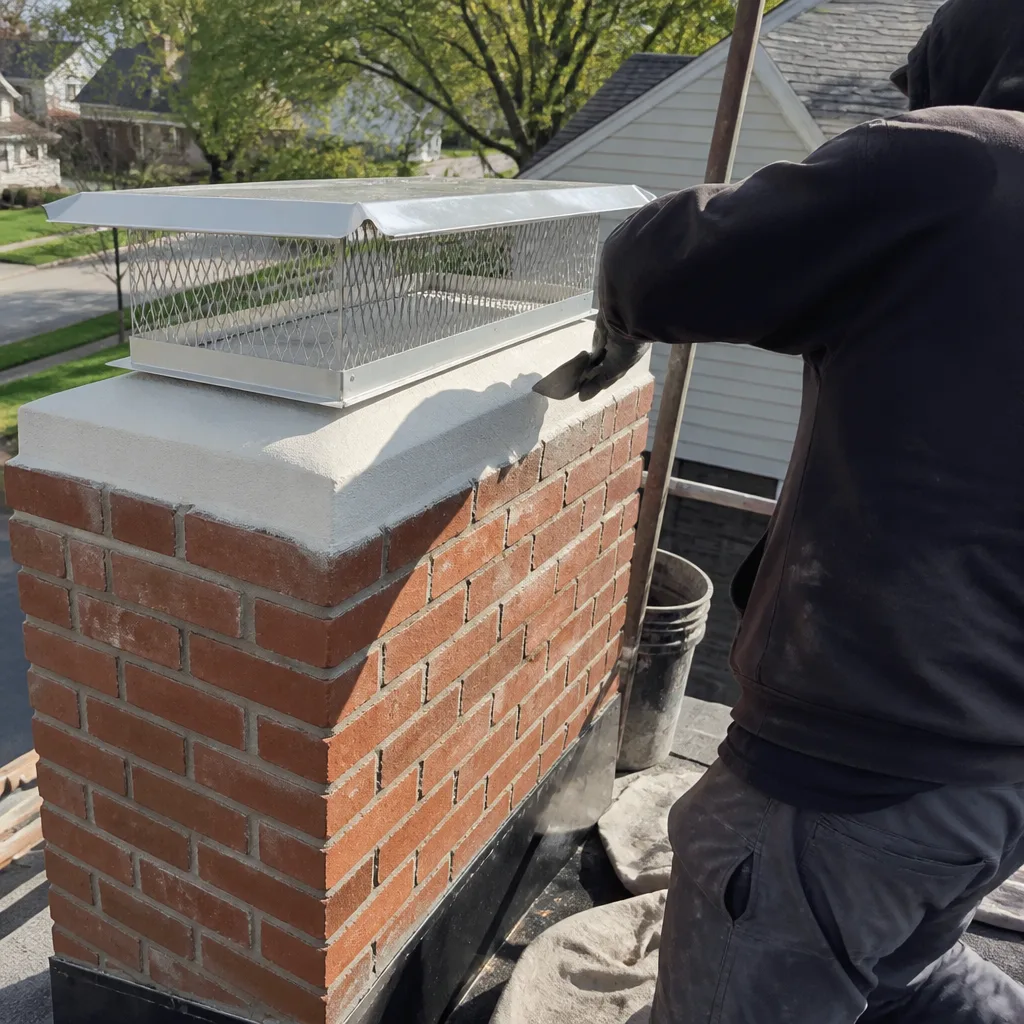 After
After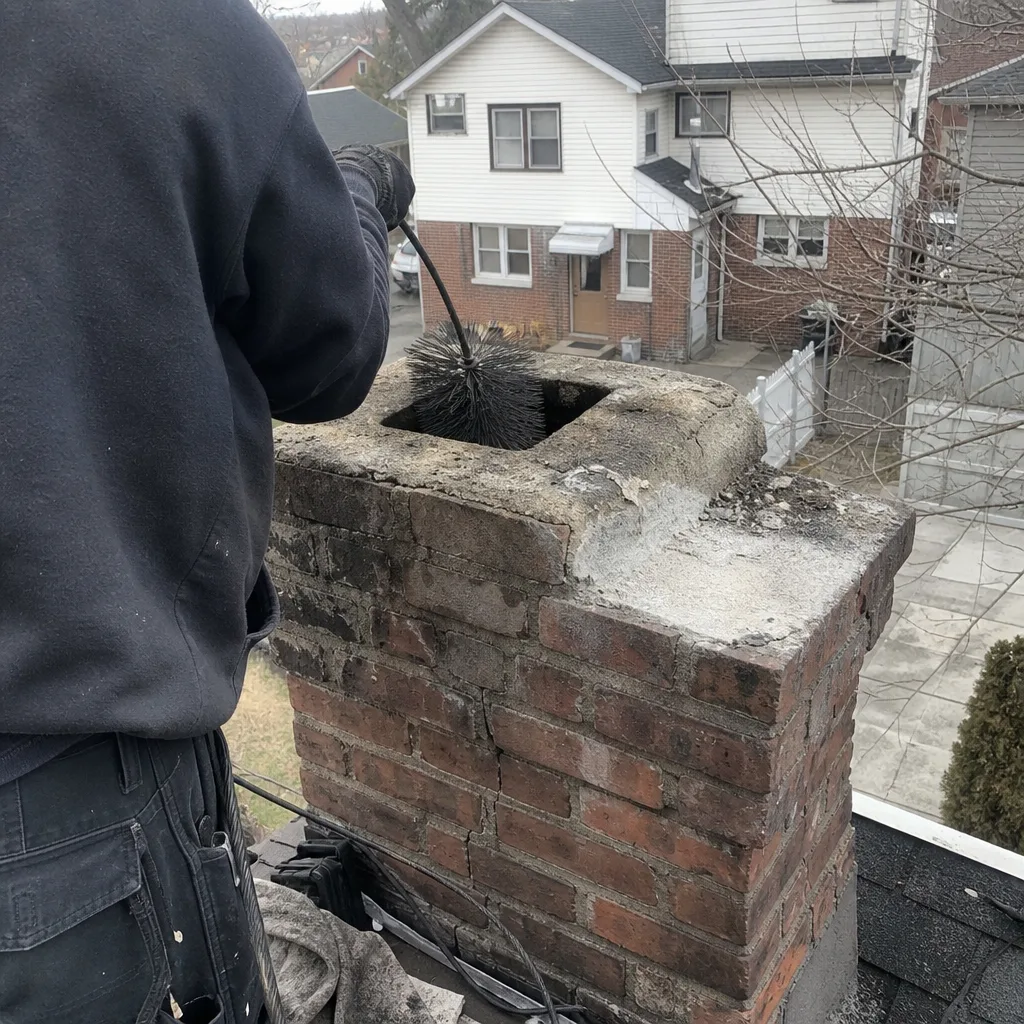 Before
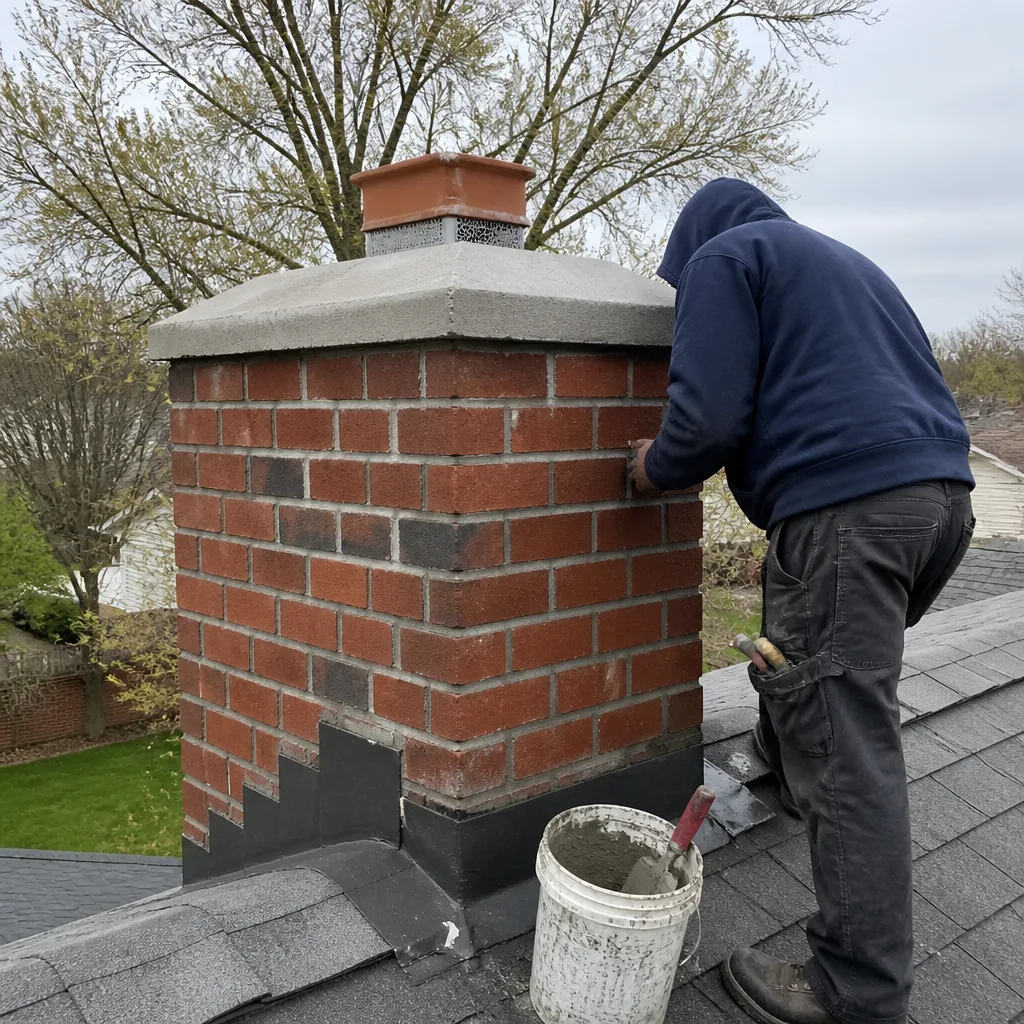 After
AfterChimney Cleaning Warning Signs: A Jamaica Homeowner’s Reference Guide
A white stain on your chimney exterior isn’t a cleaning problem. It’s efflorescence, and it means water is already moving through your masonry. By the time it’s visible from the street, it’s been moving through your liner for longer than that. Most Jamaica homeowners don’t have a chimney problem they can’t see. They have a chimney problem they’ve been misreading for months, sometimes years, because no one ever gave them the key to translate what they’re looking at. This guide is that key. It pairs every visible and smellable warning sign with the structural cause behind it, tells you whether you’re facing a cleaning issue or a repair issue, and gives you the exact documentation steps that protect your insurance claim, your warranty, and your family.
Quick Answer
The warning signs that precede a chimney fire or carbon monoxide event in a Jamaica home are almost always visible or smellable weeks before anything dangerous happens. The signs that matter most are: a campfire smell in summer, a sulfur or rotten-egg smell at startup, acrid smoke during a burn, white staining on exterior brick, flaking mortar joints, and a dark, shiny glaze inside the firebox. Each of these points to a specific cause, and each dictates whether you need a sweep, a repair, or an immediate shutdown. The next section tells you how to read them.
Table of Contents
- Warning Sign by Warning Sign: What It Looks Like, What It Means, What to Do
- The Three Odor Profiles Jamaica Homeowners Report Most Often
- Creosote Risk vs. Liner Risk: Reading the Inside of Your Firebox
- Jamaica’s Oil Conversion History and the Sooting Pattern It Left Behind
- Efflorescence, Spalling, and Crown Cracks: Water’s Warning Signs on the Exterior
- The Documentation Step That Protects You Before, During, and After a Sweep
- Safety Warning: When to Stop Using Your Fireplace Immediately
- How Often Should a Jamaica Chimney Be Cleaned?
 Before
 After
AfterWarning Sign by Warning Sign: What It Looks Like, What It Means, What to Do
Every chimney warning sign has a diagnostic identity. The mistake most homeowners make is treating everything as a cleaning problem when many signs point to structural issues that a brush alone won’t fix. Here is the translation table we use when a Jamaica homeowner asks us to make sense of what they’re seeing.
White staining on exterior brick (efflorescence)
What it is: A chalky white deposit that appears on brick, typically spreading from mortar joints.
What it means: Water has entered the masonry and is carrying dissolved salts to the surface. This is not cosmetic. It means your chimney has a water entry point, usually a cracked crown, deteriorated mortar joints, or missing flashing. The water that carries those salts is also wetting your flue liner from the outside, accelerating its deterioration.
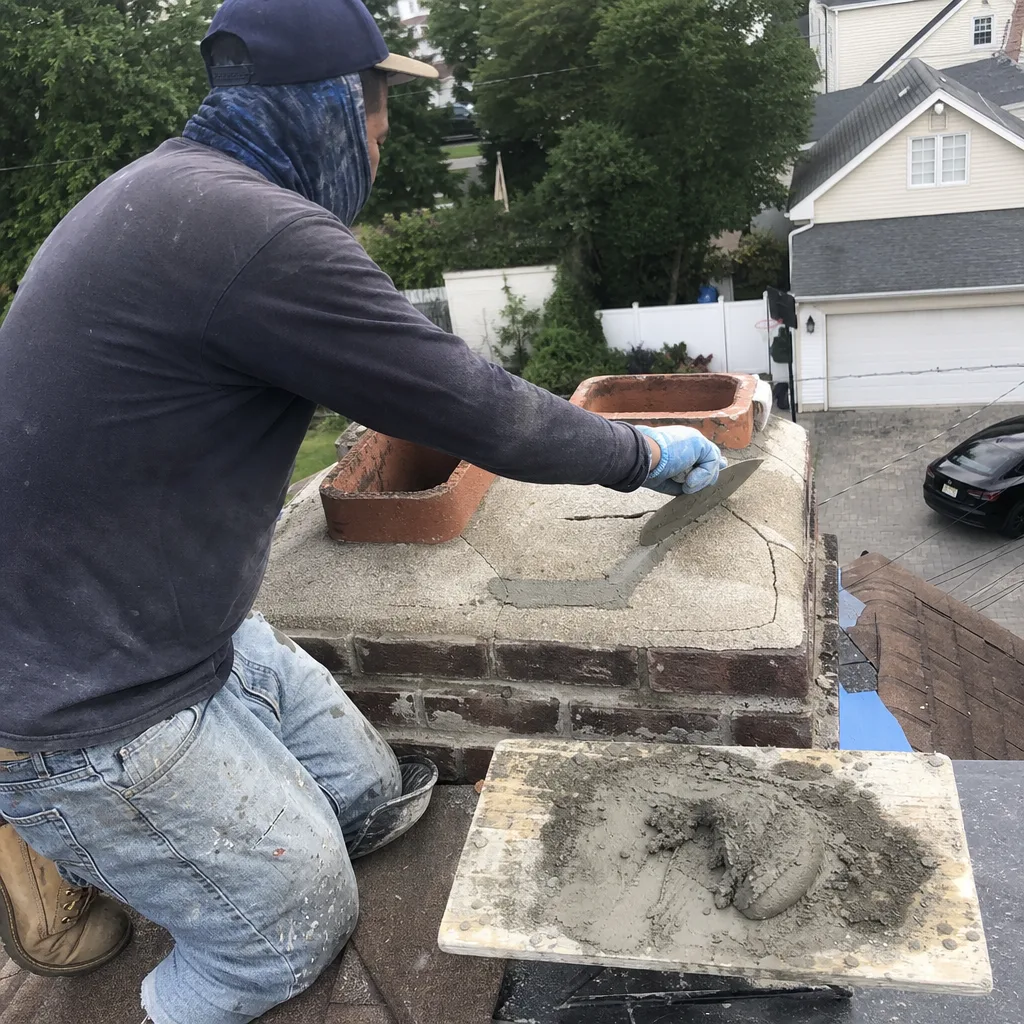
What to do: A sweep alone will not fix this. You need a camera inspection of the flue to assess what the water has done inside, and you need the entry point sealed, which typically means crown repair or repointing. The Chimney Repair in Jamaica page explains the scope of this work and what it costs.
Dark, shiny glaze on the firebox walls
What it is: A tar-like, glossy coating that looks like black glass or hardened molasses on the interior walls of the firebox or lower flue.
What it means: This is Class III creosote, also called glazed creosote. It is the most concentrated and dangerous form of creosote, with a high fuel load and a low ignition temperature. It forms when flue gases condense on masonry that is too cold, which happens frequently in partially used fireplaces and in chimneys on exterior walls, which describes a large share of Jamaica’s housing stock.
What to do: This is a cleaning problem with serious urgency. Glazed creosote requires professional chemical treatment and mechanical removal, not a standard brush sweep. If it has been present long enough, it may also have begun to degrade the liner behind it, which a camera inspection will reveal. See the Chimney Cleaning & Sweep in Jamaica page for our process.
Flaking or missing mortar between bricks (spalling)
What it is: Mortar joints that are crumbling, receding, or missing entirely, often with brick surfaces that flake off in thin layers or chunks.
What it means: Water has saturated the masonry, and Jamaica’s freeze-thaw cycles have done the rest. When water inside brick expands as it freezes, it pops the surface of the brick and loosens the mortar. Spalling is what we see when traction has overtaken repair time. The chimney is actively shedding its structural envelope.
What to do: Repointing and brick replacement. But before repair, the flue inside must be inspected, because the same water that spalled the exterior has likely compromised the liner. In Jamaica, where many homes date to the mid-20th century and earlier, spalling is one of the most common repair triggers.
Soot falling into the firebox between fires
What it is: Fine black particles raining down into the firebox when the chimney isn’t in use, sometimes after a windy day.
What it means: A large accumulation of soot or creosote has built up on the flue walls, and it is being dislodged by air movement. This is also a sign that your chimney may lack a properly fitted cap, which allows wind to enter and draft through the flue.
What to do: Schedule a sweep. A Fireplace Services in Jamaica visit includes a full cleaning and a camera scan to confirm what’s left behind, and to check whether a missing or damaged cap is contributing to the problem.
Smoke backing up into the room during use
What it is: Smoke entering the living space instead of exhausting through the chimney, particularly on startup or in windy conditions.
What it means: Either the flue is obstructed, the flue is too large for the appliance (a common condition in Jamaica homes converted from oil heat, covered below), or the chimney has a drafting problem caused by height, location, or pressure dynamics in the house.
What to do: Stop using the fireplace until a Level 2 inspection identifies the cause. Smoke in the living space means combustion gases are not fully exhausting, and the carbon monoxide risk is real.
The Three Odor Profiles Jamaica Homeowners Report Most Often
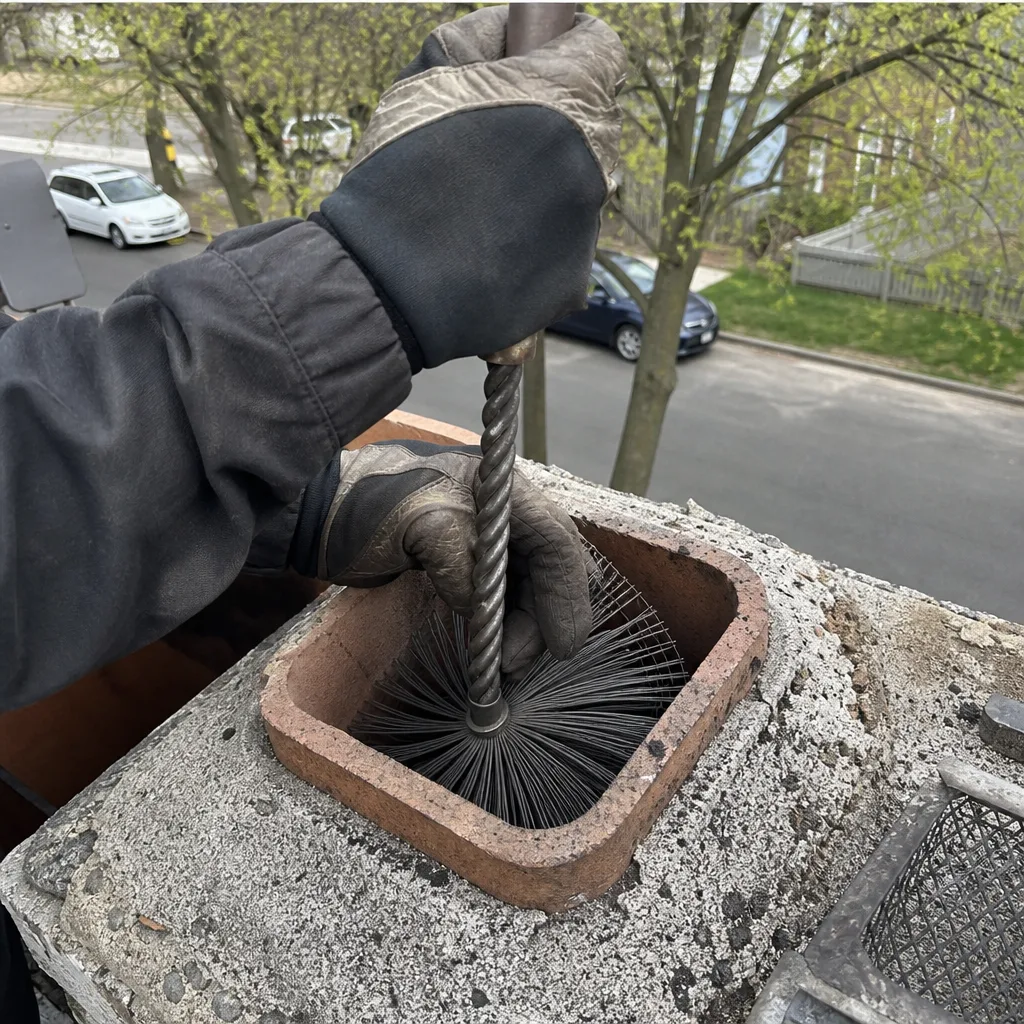
Odor is the most reliable early warning system a chimney provides. Before creosote becomes a fire, before a cracked liner becomes a carbon monoxide pathway, the flue gives off a smell. The problem is that most homeowners don’t know how to translate what their nose is telling them. Here are the three odor profiles we hear about most often on service calls across Jamaica, and what each one diagnoses.
Profile One: Campfire smell in summer
This is the smell of creosote outgassing. When the weather is warm and humid, which describes most of a Jamaica summer, the creosote deposits inside your flue absorb moisture from the air and release volatile organic compounds. The smell comes down the chimney and fills the room even though you haven’t burned anything in months.
What it diagnoses: A meaningful creosote load in the flue. The heavier the deposit, the stronger the smell. If the smell is present every summer, the flue has not been cleaned thoroughly in some time, or the fireplace is used with wood that isn’t fully seasoned, which produces heavier creosote deposition.
What it means for action: This is a cleaning problem. A thorough sweep removes the creosote and the smell. But if the smell returns quickly after a cleaning, that points to a secondary cause, usually a missing or poorly fitted chimney cap that lets humid air and rain into the flue, or an unlined chimney that absorbs moisture into the masonry.
Profile Two: Sulfur or rotten-egg smell at startup
This is the smell of gas combustion byproducts, and it is the most serious of the three. A sulfur odor when you light a gas fireplace or gas log set means the appliance is not venting correctly, or that exhaust gases are being pulled back into the house instead of up the flue.
What it diagnoses: On a gas appliance, this is ventilation failure. The flue may be obstructed, the flue may be incorrectly sized, or the appliance may not be drawing properly. This is not a smell to solve with air freshener or an open window.
What it means for action: Turn the appliance off and leave it off until a technician inspects the venting system. Carbon monoxide in the living space is the most severe consequence a chimney problem can produce, and sulfur at startup is an early indicator of venting failure.
Profile Three: Acrid smoke during burn
This is the smell of inefficient combustion. Acrid, sharp smoke that makes your eyes sting or your throat scratch while the fire is burning typically means the wood is not fully combusting, either because it’s too wet, because the fire isn’t getting enough air, or because the flue is too cold to establish draft.
What it diagnoses: Wet or unseasoned wood, inadequate air supply, or an oversized flue that can’t maintain the temperature needed for proper draft. In Jamaica homes, the oversized flue issue is especially common on gas conversions, covered in the next section.
What it means for action: First, try burning wood with a moisture content below 20%. If the smell persists with properly seasoned wood, the issue is the flue, not the fuel. A camera inspection can confirm the flue size and condition, and a professional can explain what correction is needed.
Creosote Risk vs. Liner Risk: Reading the Inside of Your Firebox
This is the single most valuable distinction a homeowner can learn: knowing whether a visible condition indicates a cleaning problem or a structural problem. The two look similar to an untrained eye, but they lead to very different outcomes, and very different prices.
Creosote risk is a cleaning problem. It lives on top of the flue surface. It accumulates from combustion. It is removed with a sweep. It looks like flaky black soot, tar-like glaze, or a dull brown-to-black scale. Creosote risk is managed with regular cleaning and proper burning habits.
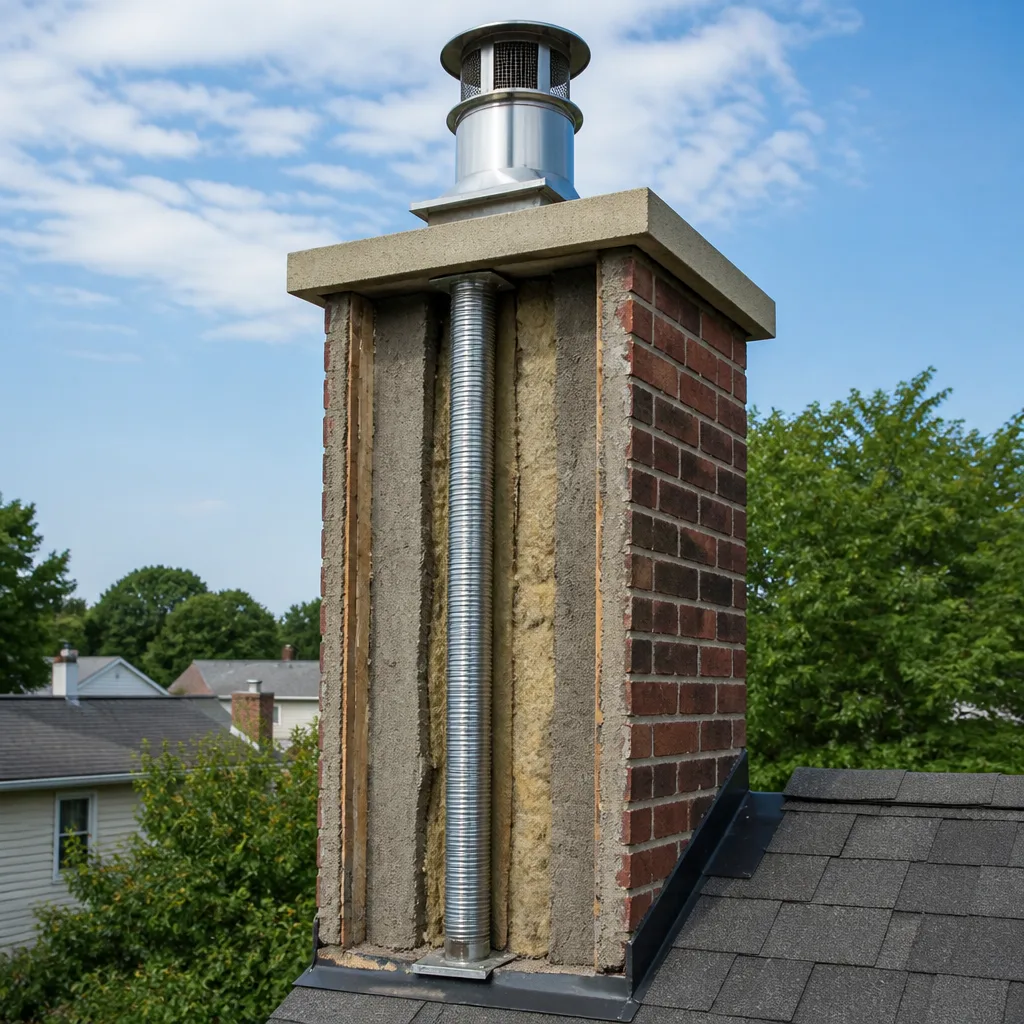
Liner risk is a structural problem. It means the flue surface itself, the barrier between combustion gases and your home’s structure, has been compromised. It is caused by water damage, heat stress, age, or corrosion. It looks like cracked clay tile sections visible from the firebox, gaps between tile joints, rust staining on a metal liner, or masonry that has shifted out of alignment. Liner risk is managed with repair or relining, not with a brush.
Here’s how to read what you can see from inside the firebox:
- Start at the damper. Open it and look up. You should see the flue walls converging smoothly. If you see dangling flakes or a heavy black coating, that’s creosote, a cleaning issue. If you see gaps between tile sections, dislodged tiles, or a hole in the flue wall, that’s a liner issue, a structural problem.
- Look at the smoke chamber. The smoke chamber is the sloping section above the damper and below the flue. Its walls are often corbeled brick. Creosote collects here in heavy, crumbly deposits during normal use. A smooth, glazed surface here indicates a long-term creosote load that has not been cleaned. A structural problem in the smoke chamber appears as loose or fallen brick, or mortar that has crumbled away between the corbels.
- Check the firebox floor and walls. Firebox cracks from heat stress are a structural issue and should be evaluated. Ash and soot on the firebox are normal, a cleaning issue. But a white chalky deposit on the firebox walls means water is entering the firebox from above, which is a structural problem, not a cleaning problem.
- Rule of thumb: If it can be removed with a brush, it’s creosote and a cleaning problem. If it requires a drill, a tuckpointing trowel, or a relining system to fix, it’s structural and a repair problem.
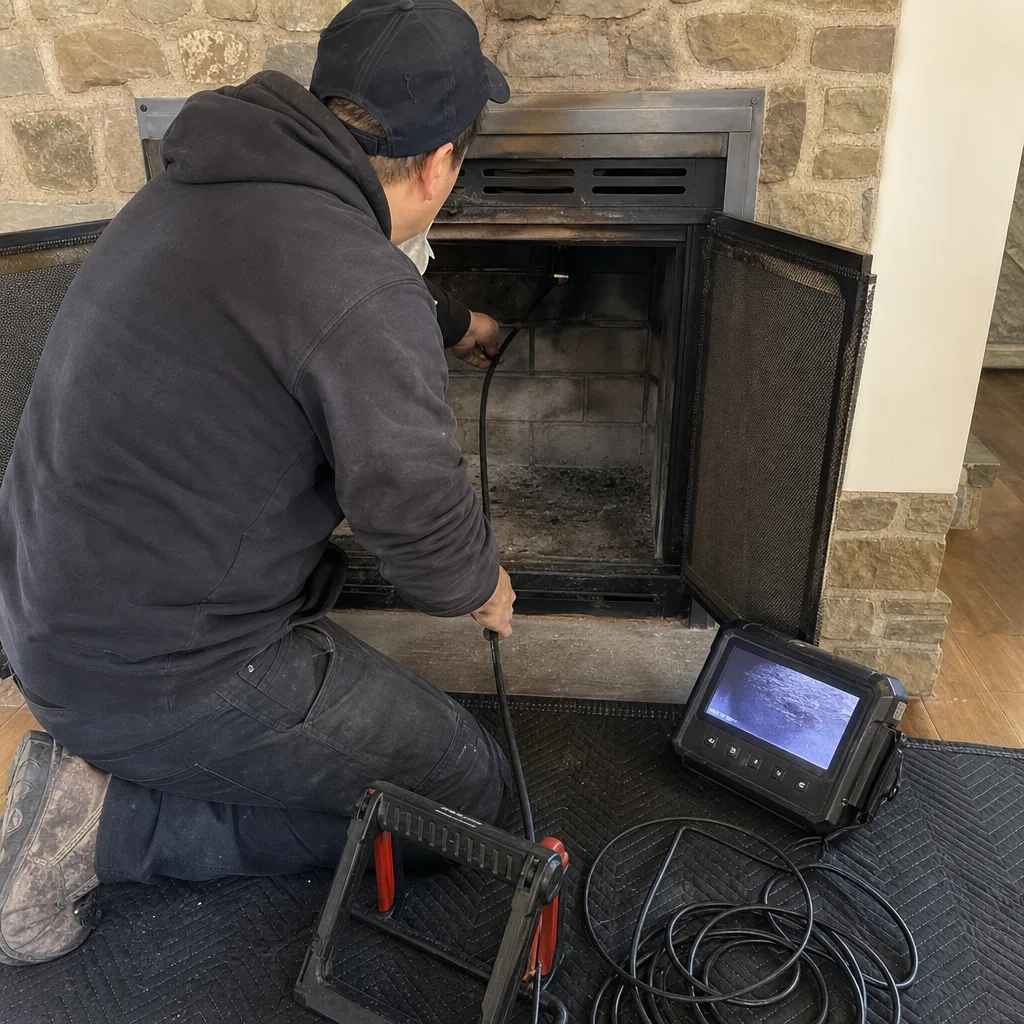
In our experience across thousands of Jamaica chimneys, the moment of clarity comes when a homeowner sees their own flue on a camera screen for the first time. Clause 4 of the Haven Standard requires a documented photo record on every job precisely because seeing the condition changes how a homeowner prioritizes the repair. It stops being an abstract recommendation and becomes a visual fact. The Chimney Repair in Jamaica page includes more detail on what a camera inspection typically reveals in this area.
Jamaica’s Oil Conversion History and the Sooting Pattern It Left Behind
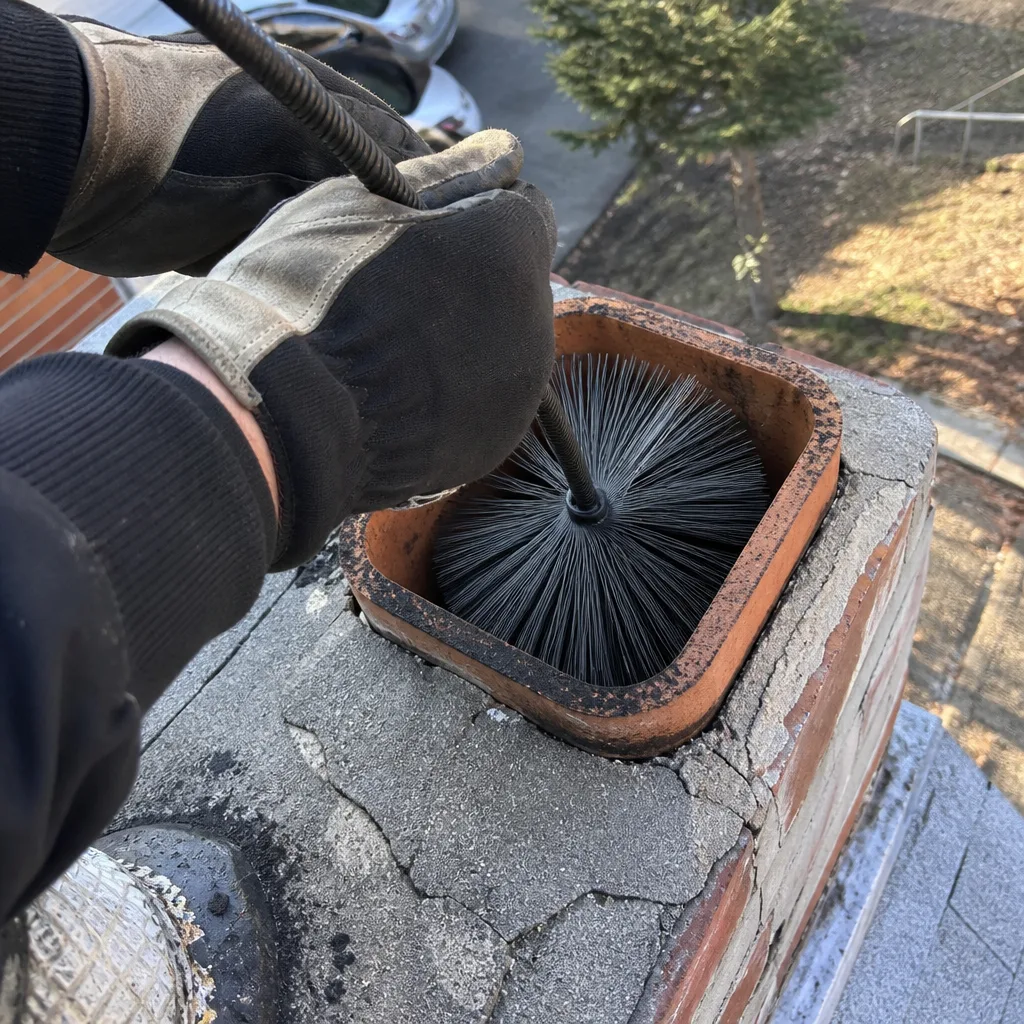
Jamaica carries a specific chimney legacy that most other New York City neighborhoods don’t. Thousands of homes here were built with oil-fired heating systems, and many of those homes were converted to natural gas between the 1990s and the 2010s. The conversion was often done through the existing chimney, using the original flue. And the original flue was sized for an oil appliance.
An oil flue is sized large. A gas flue should be sized small. When a gas appliance vents through an oversized oil-era flue, the combustion gases cool too quickly as they rise. That cooling causes condensation, and that condensation causes sooting. The sooting pattern is the diagnostic tell: dark, fine soot accumulating at the top portion of the flue, often with moisture staining below it, rather than an even coating along the full flue length.
We’ve seen this pattern in Jamaica more times than we can count. A homeowner converts to gas, notices a fine black soot appearing on their gas logs or around the firebox, and the instinct is to call it a cleaning issue, which it technically is. But if the underlying cause, the oversized flue, isn’t addressed, the cleaning becomes a recurring expense instead of a one-time fix.
This is where a properly specified liner matters. A correctly sized liner, which for most gas conversions means a smaller-diameter liner fitted inside the existing flue, restores proper draft and temperature, which stops the condensation and the sooting. On our Fireplace Services in Jamaica visits, a camera inspection will show whether your gas appliance is venting through an original oil-era flue and whether sizing is the problem.
The brands we use for liner work vary by application, but the principal is consistent: the flue must match the appliance. That’s the difference between a chimney that needs attention and a chimney that performs.
Efflorescence, Spalling, and Crown Cracks: Water’s Warning Signs on the Exterior
Water is the slowest and most expensive warning sign a chimney produces. It doesn’t announce itself with smoke or smell. It works quietly, penetrating masonry, expanding in freeze-thaw cycles, dissolving mortar, rusting liners, and compromising the structural envelope of the flue. And by the time a homeowner sees it, it has usually been working for years.
The three exterior warning signs to know in Jamaica:
- Efflorescence: The white chalky deposit we opened this guide with. It means water is actively moving through the masonry. The source is usually a cracked crown, a missing or failed chimney cap, or mortar joints that have lost their water resistance. Efflorescence itself is not structural damage, but it is the footprint of the water that causes structural damage.
- Spalling: The flaking, crumbling, or popping of brick surfaces. Spalling happens when water inside the brick freezes and expands. Jamaica’s winters routinely produce freeze-thaw cycles, and a chimney on an exterior wall, common in row houses and detached homes throughout the borough, is fully exposed to them. Spalling is destructive and progressive. It does not heal, and it does not stop on its own.
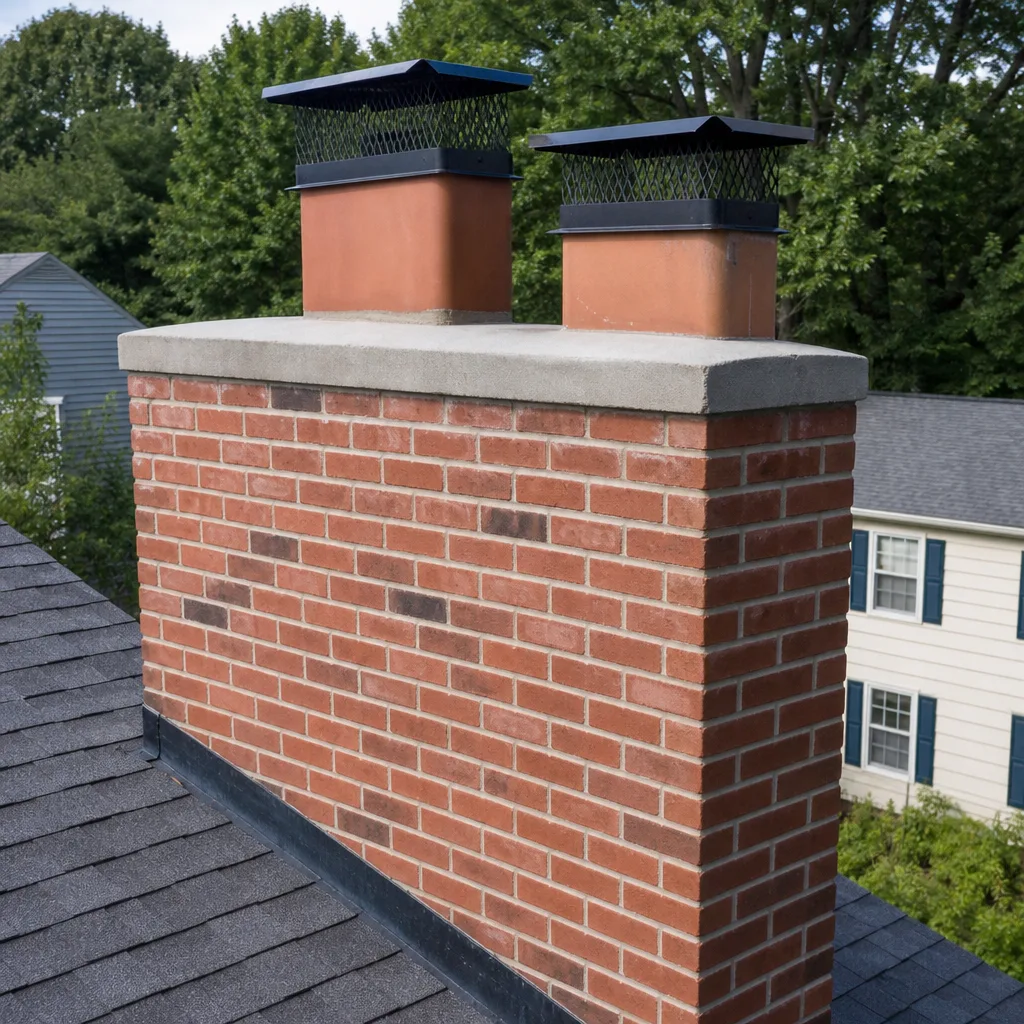
- Crown cracks: The crown is the concrete cap on top of the chimney. Its job is to shed water away from the flue and the masonry. A cracked crown lets water in directly. Hairline cracks grow over time, and a crown that is cracked through is essentially an open water channel into the chimney.
None of these conditions is a cleaning problem. All of them are repair problems. But the sequence matters: before any exterior repair, the flue inside should be camera-inspected to see what the water has already done. Repairing the outside without looking inside is like patching a roof without checking the attic. Materials for crown repair and rebuilding are sourced from manufacturers like Olympia Chimney and Copperfield, and the scope of work is documented in writing before anything begins.
The Documentation Step That Protects You Before, During, and After a Sweep
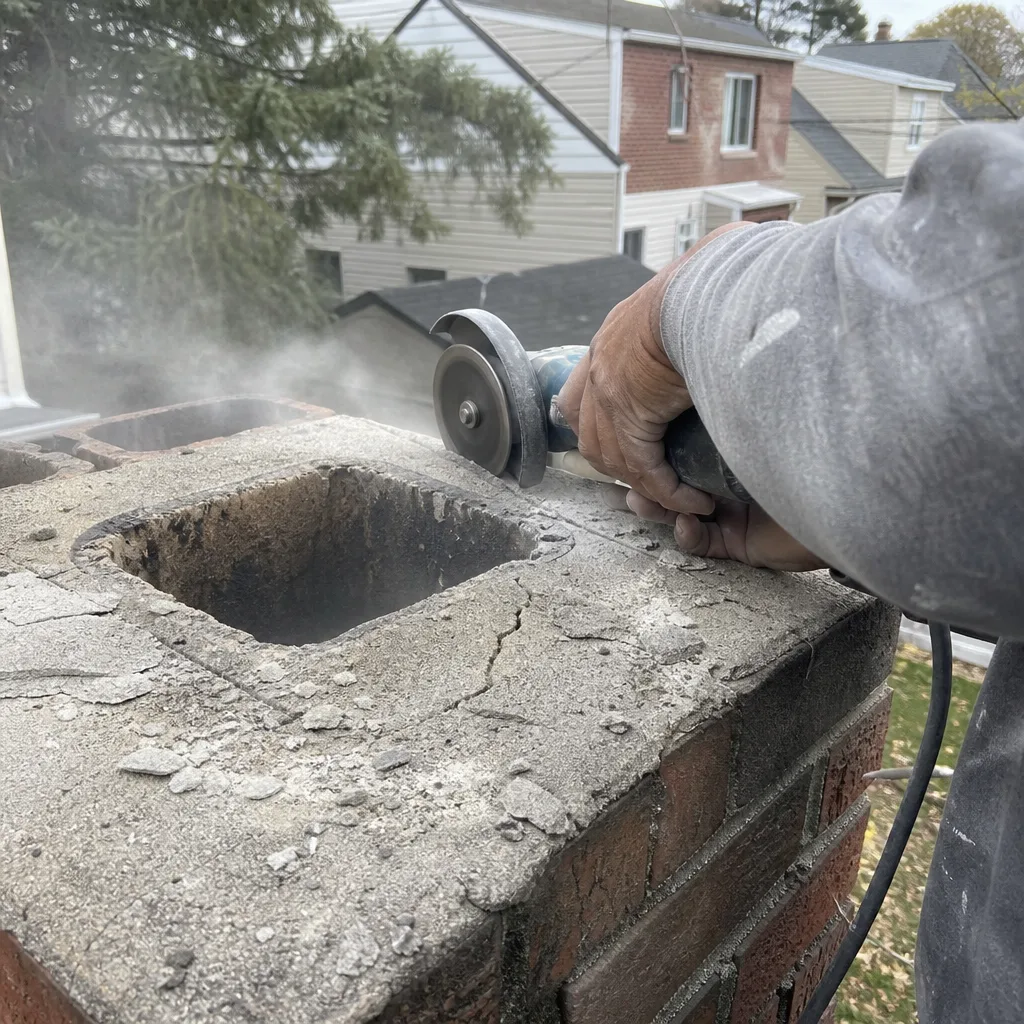
Here’s a step most Jamaica homeowners skip, and it’s the one that can save you thousands of dollars if a claim or a dispute ever lands on your desk. Photograph the warning sign before the sweep arrives. Not after. Before.
Why before? Because a chimney sweep removes evidence. That’s the job. When a technician cleans your flue, the creosote that was coating the surface is gone, and if that surface was damaged underneath, the damage may be less visible after a cleaning than it was before. If you ever need to make an insurance claim, a warranty claim, or a dispute resolution, you need the before photo.
Here’s the documentation sequence that protects you:
- Photograph the visible warning sign the day you notice it. White staining, spalling brick, soot falling into the firebox, smoke backing up, any of it. Use your phone. Get a wide shot for context and a close shot for detail. Date-stamp the photos if your phone supports it.
- Photograph the firebox and damper area before the technician arrives. This captures the creosote load and any visible liner damage in its pre-cleaning state.
- Ask for the camera-scan record. A proper Level 2 inspection includes a camera down the flue. The footage shows what’s there before and after the cleaning. Under Clause 4 of the Haven Standard, a documented photo record on every job is standard practice, not an add-on. Ask to see the images and ask for them to be included in your report.
- Keep the written scope and written price. The written scope describes what work was performed and what was found. The written price confirms what was agreed before work began. Both are part of your home’s maintenance record, and both are relevant if you sell the home or file a claim.
A homeowner who has a dated photo of efflorescence, a written report of the flue condition, and a camera record of what the cleaning revealed is protected in a way that a homeowner with a receipt for a “basic sweep” simply isn’t. The Level Two Chimney Jamaica home page explains what’s included in a standard visit, and the documentation is always part of it.
Safety Warning: When to Stop Using Your Fireplace Immediately
Some warning signs are not a reason to schedule a cleaning. They’re a reason to stop using the fireplace today and leave it off until a professional has inspected it. Here is the immediate-shutdown list:
- Sulfur or rotten-egg smell on a gas appliance. Turn off the appliance. Do not use it. Venting failure is a carbon monoxide pathway.
- Smoke entering the living space. This means combustion gases are not exhausting properly. Stop burning, open a window to ventilate, and leave the fireplace off.
- Visible gaps, holes, or dislodged tiles in the flue. A compromised liner is a direct path for heat and gases into the home’s structure.
- A chimney fire that has already occurred once. Any chimney that has experienced a flue fire requires a Level 2 inspection before further use, even if it appears fine from the outside.
- Water actively dripping into the firebox. This indicates a failed component, usually the crown or flashing, and continuing to burn while water enters the system accelerates damage.
The physical labor of chimney repair, particularly working on a roof in Jamaica during cold months, involves genuine fall risk and structural risk. This is not DIY territory. High work, relining, and structural repair belong with a trained professional who carries the right equipment and knows how to work safely.
How Often Should a Jamaica Chimney Be Cleaned?
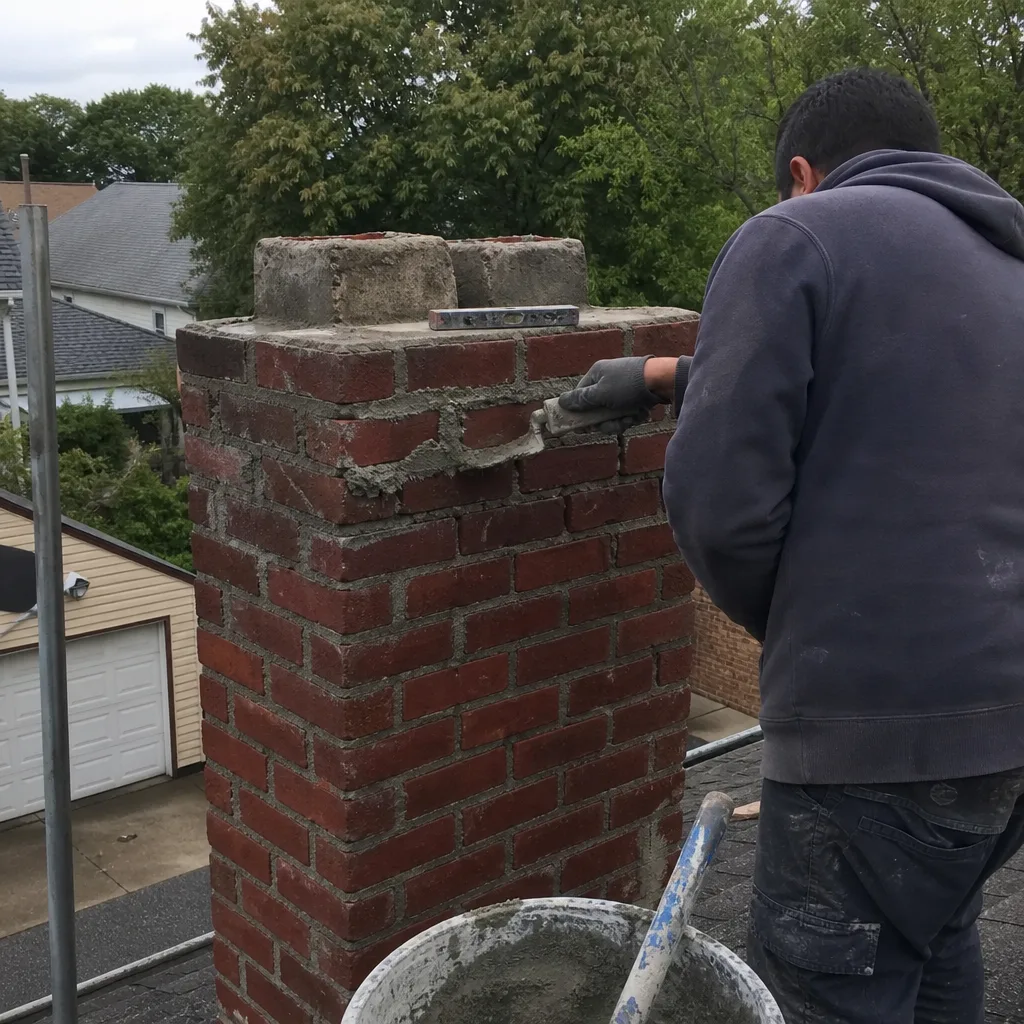
The NFPA 211 standard, the industry standard for chimney inspection and cleaning, recommends an annual inspection of all chimneys, fireplaces, and vents. Cleaning frequency depends on use: a chimney in regular use during burn season should be swept when creosote reaches 1/8 inch of accumulation, or more often if you burn wood that is not fully seasoned.
In Jamaica, we see several factors that push some homes toward more frequent attention:
- Exterior-wall chimneys run colder and condense more creosote, requiring more frequent cleaning than interior chimneys under the same use.
- Older masonry from the early and mid-20th century often lacks the water resistance of modern construction and benefits from more frequent exterior inspection.
- Gas conversions through original oil flues produce sooting that accumulates faster than properly sized venting would, and should be inspected annually until the sizing is corrected.
- Homes near the Belt Parkway or Van Wyck corridors get more airborne particulate settling into chimney systems, which accumulates with moisture and creosote.
The practical rule for a Jamaica homeowner: if you burn more than one cord of wood per season, schedule a sweep at the start of every burn season. If you burn occasionally, schedule an inspection annually and a sweep when the inspection shows accumulation. The Chimney Cleaning & Sweep in Jamaica page has our pricing and what’s included.
Common Mistakes to Avoid
- Treating every warning sign as a cleaning problem. Efflorescence, spalling, and crown cracks are structural issues. A sweep won’t fix them. Mistaking a repair problem for a cleaning problem is the most expensive diagnostic error a homeowner can make.
- Ignoring a summer campfire smell. It’s the cheapest early warning you’ll ever get. A sweep now costs a fraction of what liner damage costs later.
- Burning unseasoned wood in a Jamaica fireplace produces heavy creosote deposition in a single season, and it’s the most common cause of the glazed creosote that fuels chimney fires.
- Skipping the before-photo. Once the sweep is done, the evidence is gone. Photograph the warning sign the day you see it.
- Assuming a gas fireplace doesn’t need inspection. Gas appliances produce less creosote, but they create venting and condensation issues of their own, and they are the primary source of carbon monoxide risk in the chimney system.
- Waiting until burn season to address a known issue. Every chimney company in Jamaica is busiest between October and February. If you identify a warning sign in July, the time to act is July.
- Accepting a verbal quote. A written price and written scope are the difference between a defined transaction and an open-ended one. Before any work begins, you should have both in writing.
When to Call a Professional
Call a professional when you see any of the warning signs in this guide and you don’t know how to read them, when you smell something that doesn’t belong, when water is showing up where water shouldn’t be, or when it has been more than a year since your last inspection. Call today if you see any sign on the immediate-shutdown list. Level Two Chimney Jamaica offers free estimates across Jamaica and the surrounding Queens area. We’ll give you a written price and a written scope before anything begins, and you’ll have a camera record of exactly what we found. Reach us at (516) 240-9612.
Frequently Asked Questions
A standard chimney sweep in Jamaica typically runs between $180 and $340 for a single flue, depending on the flue’s condition, height, and creosote class. A Level 2 camera inspection is a separate scope item and should always be documented in writing. Level Two Chimney Jamaica includes the camera record as standard under Haven Standard Clause 4, not as an add-on. Call (516) 240-9612 for a written quote before any work is booked.
A new liner is needed when the existing flue has cracks, gaps, displacement, or corrosion that compromises its ability to contain combustion gases. Cleaning removes creosote from a sound flue. The only way to know which situation you’re in is a camera inspection, and any recommendation for a liner should come with camera images you can see for yourself. If a company tells you a liner is needed without showing you the camera evidence, get a second opinion.
Creosote accumulates, and if it reaches a concentration where it ignites, you get a chimney fire that can crack the flue, damage the masonry, and, in severe cases, spread to the structure of the home. On gas appliances, a skipped inspection means venting failure and carbon monoxide risk can go undetected. The consequences of skipping a cleaning are never just cosmetic, and they’re never cheaper to fix later.
The easiest tell is the flue size. Oil flues are visibly larger than gas flues, often 8×12 inches or larger, and many Jamaica homes still have the original flue tiles in place after converting to gas. A camera inspection will show the flue dimensions and the sooting pattern that results from the mismatch. If your home converted from oil to gas after the original construction, and the chimney was never relined, the flue is almost certainly oversized for the current appliance.
Creosote absorbs moisture from humid air and releases volatile compounds that smell like a campfire, even when nothing has burned in months. It’s the most common summer chimney complaint in Jamaica. The fix is a thorough sweep, and if the smell returns quickly, the secondary cause is usually a missing or failed chimney cap that lets humid air into the flue.
You can remove loose soot from the firebox, but a proper cleaning means accessing the full flue from the roof, removing creosote without damaging the liner, and disposing of the byproducts properly. The roof work carries real fall risk, and the flue work carries real liner-damage risk. The camera inspection that confirms the result is also not something a homeowner can DIY. Call (516) 240-9612 for a professional cleaning with documented results.
The Bottom Line
Every serious chimney problem in a Jamaica home announces itself first, in smell, stain, or smoke, weeks or months before the fire or the carbon monoxide event. The difference between a cleaning that costs a few hundred dollars and a repair that costs thousands is whether the homeowner reads the sign. Efflorescence is not cosmetic. A summer campfire smell is not a quirk. Soot on gas logs is not normal. Photograph what you see, understand what it means, and act before burn season. The homes in this borough carry a specific chimney history, and that history shows up in the flue. The goal is to see it coming.
Written by Corrine Halstead, Owner at Level Two Chimney Jamaica, serving Jamaica since 2009.