
Last updated September 20, 2026
Level 1 sweep and inspection to the NFPA 211 annual standard - flue, crown, cap, and flashing checked and photographed
Chimney sweep logs do not sweep chimneys. They loosen some creosote - which then falls where a brush and vacuum still have to collect it.
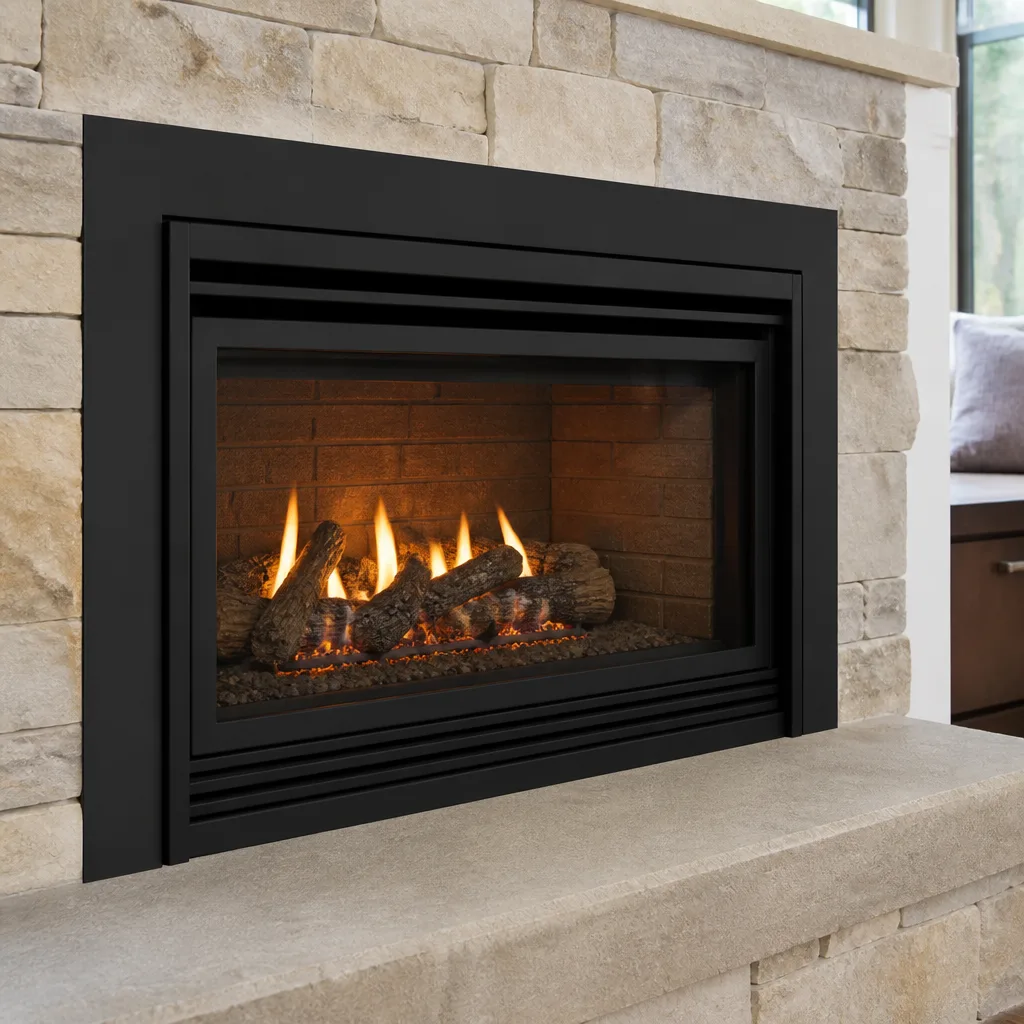
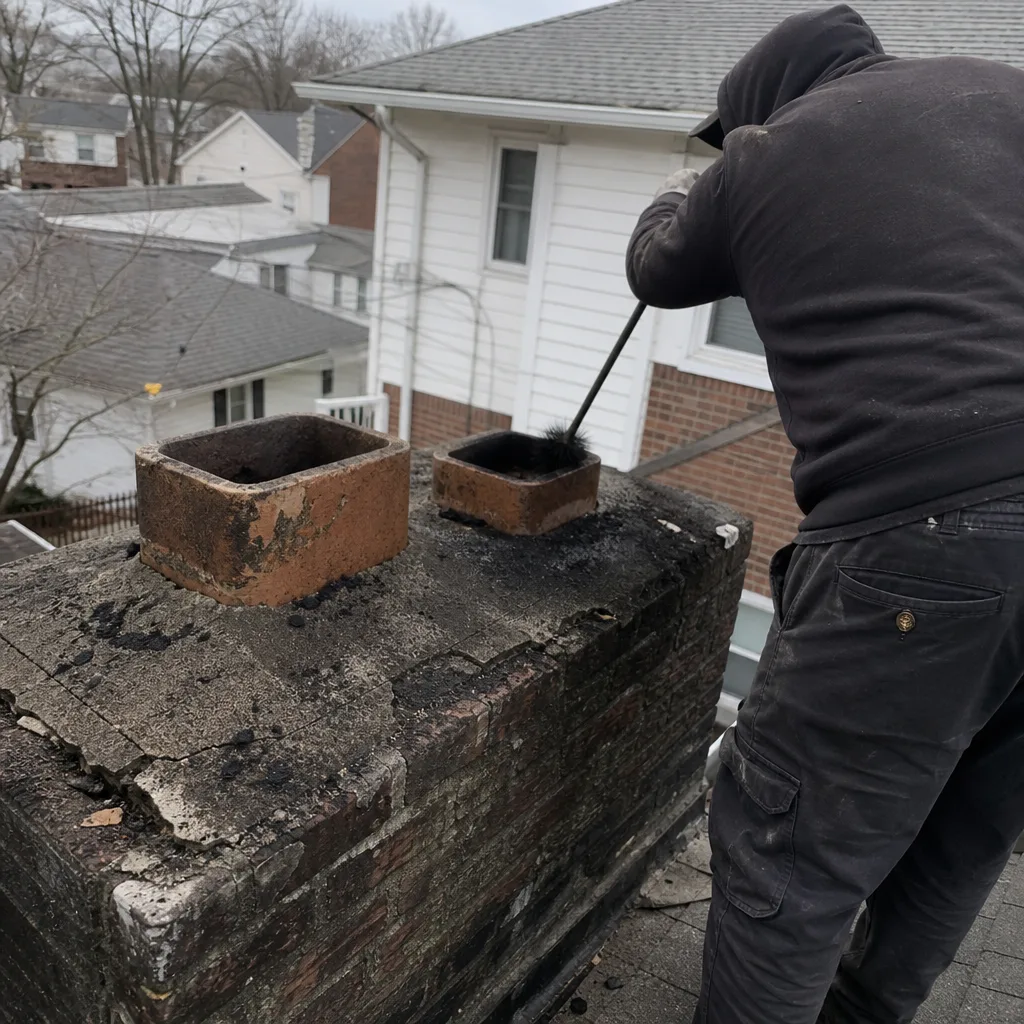 Before
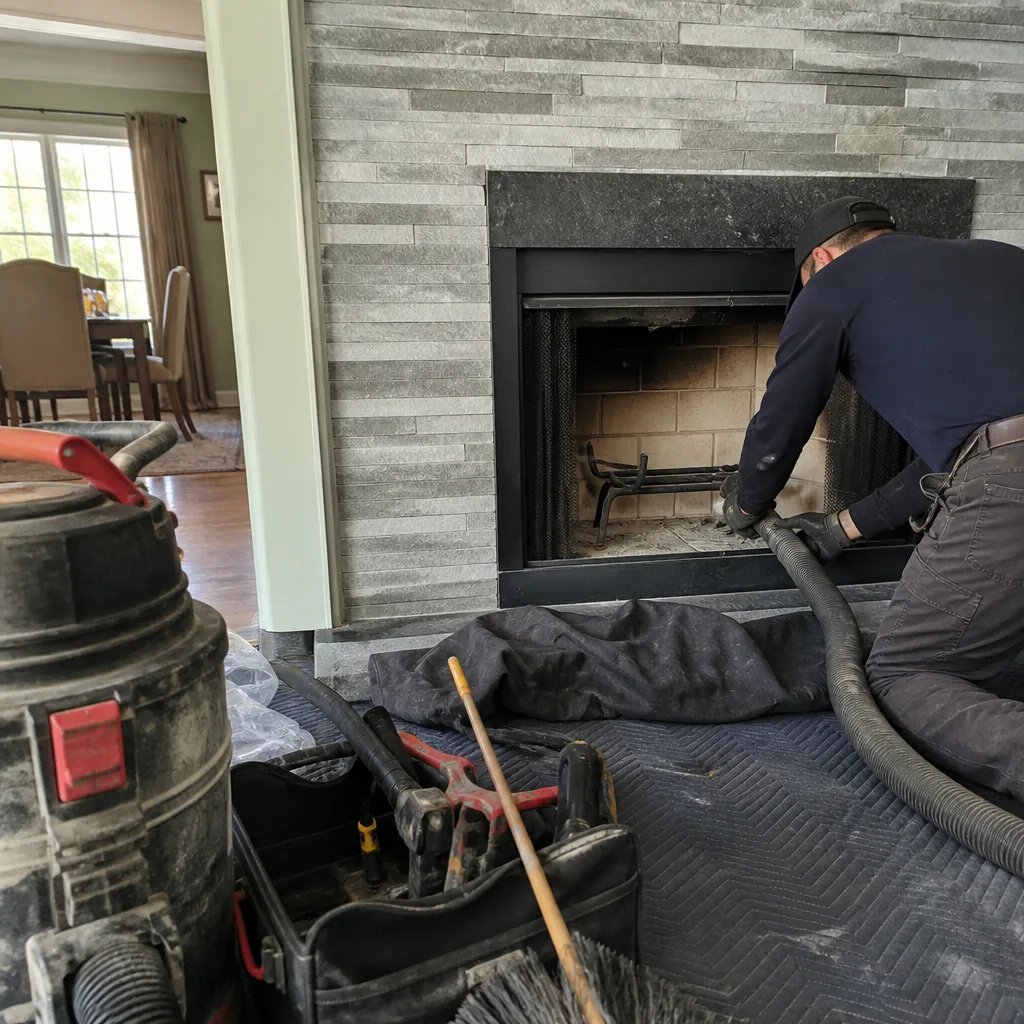 After
After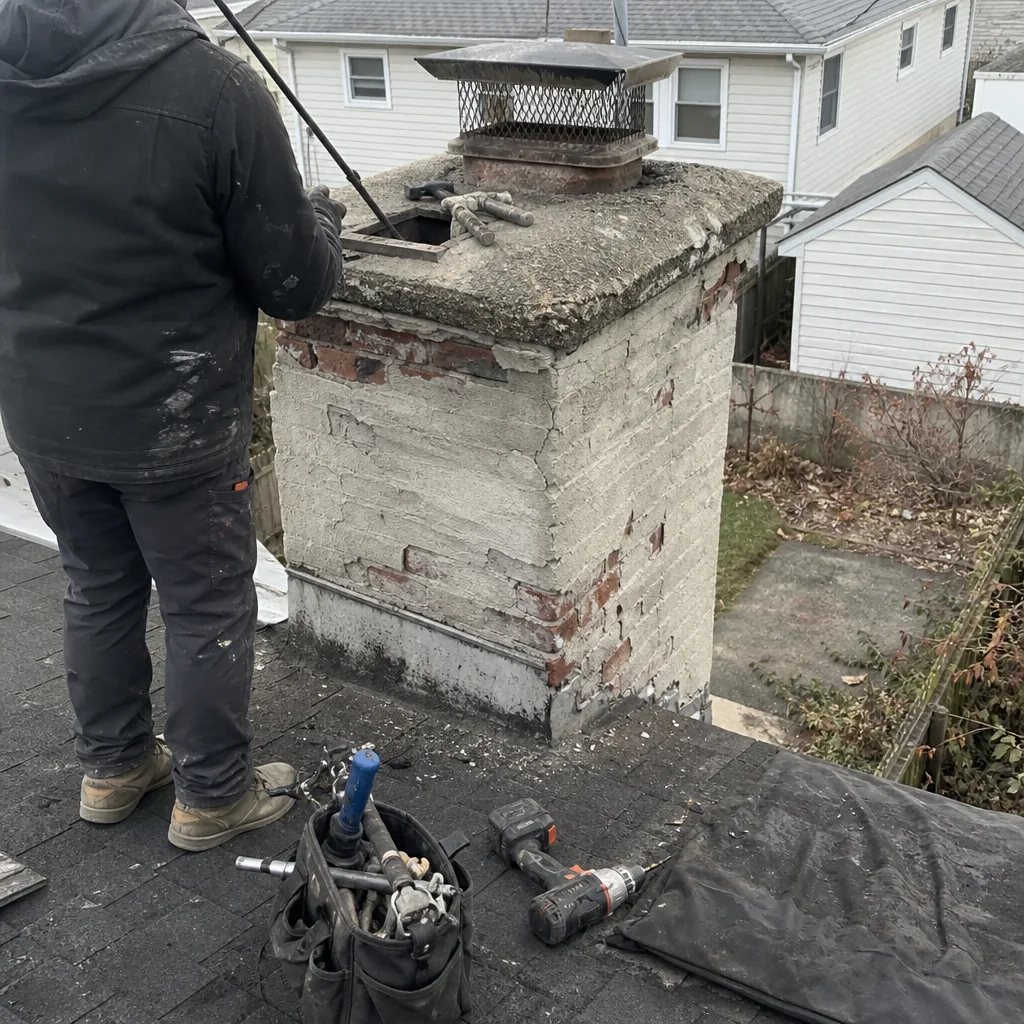 Before
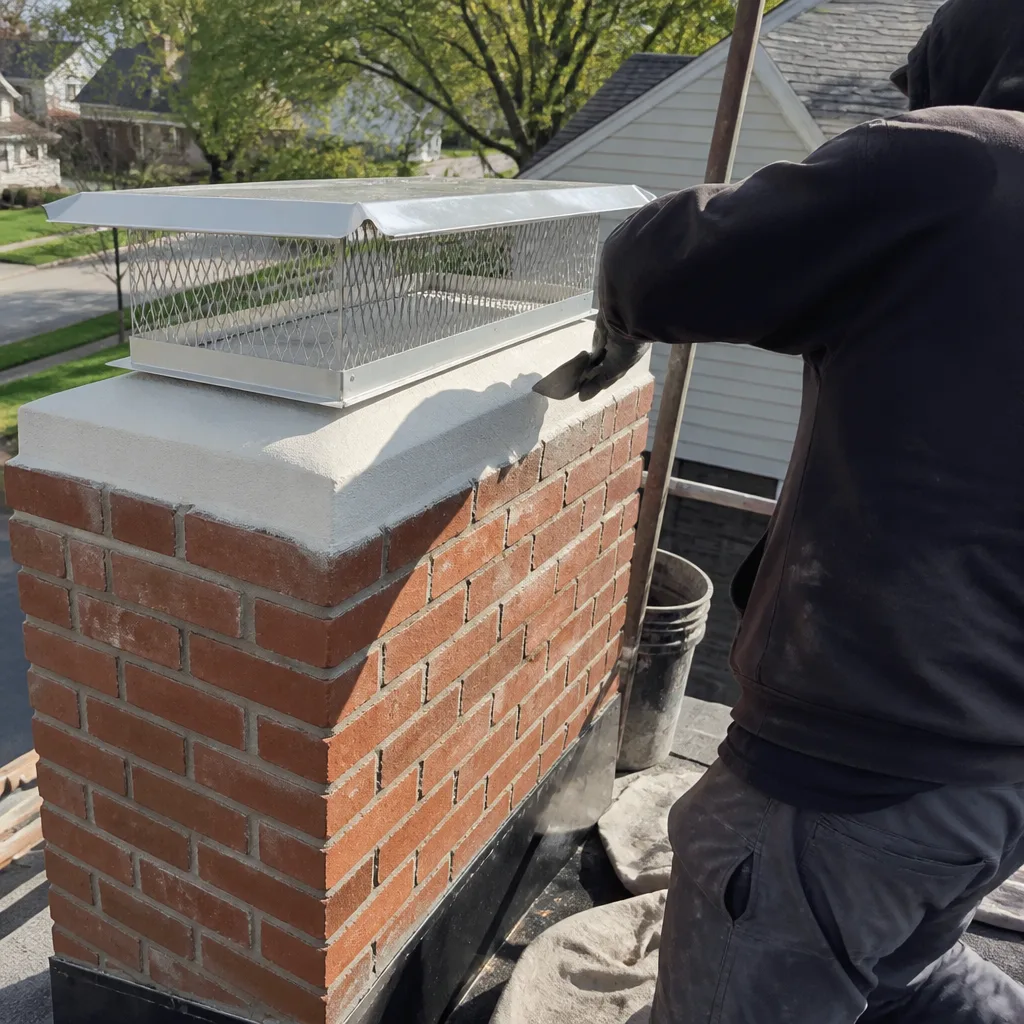 After
After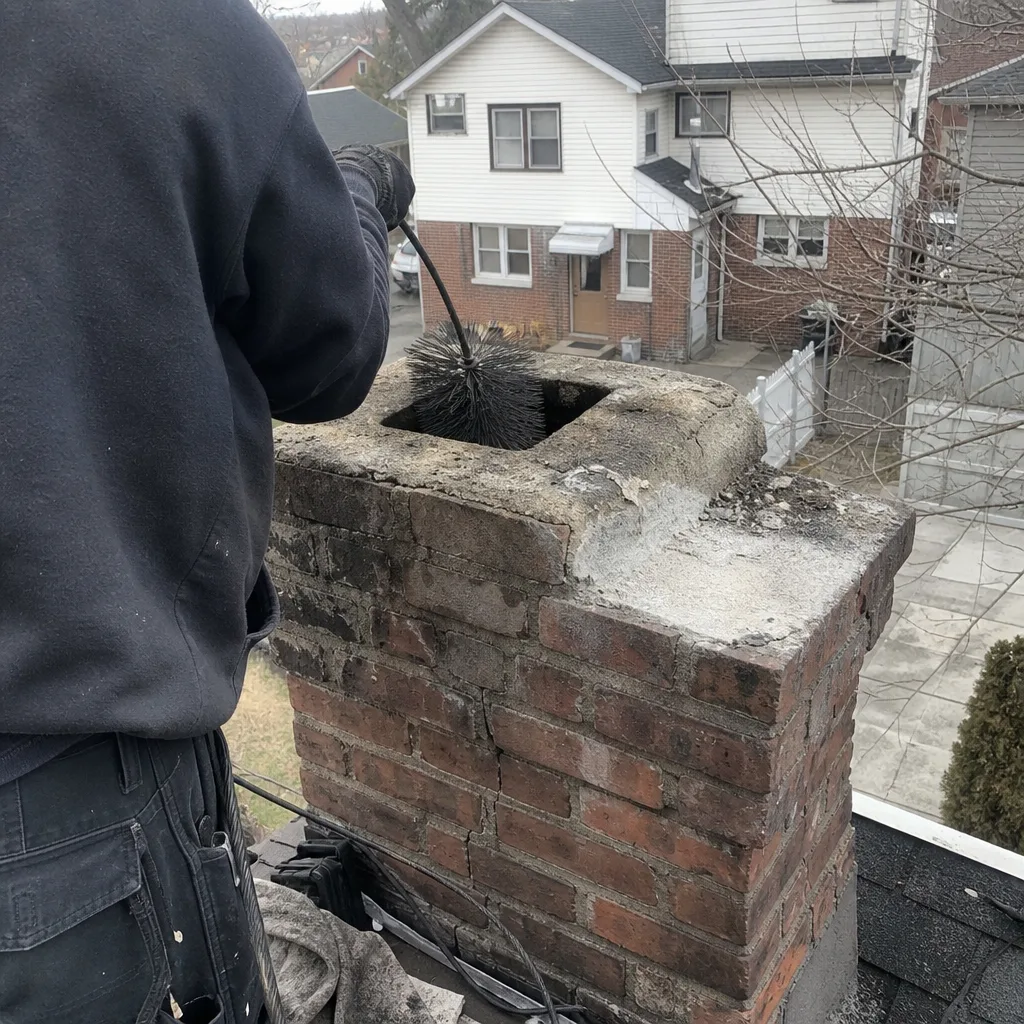 Before
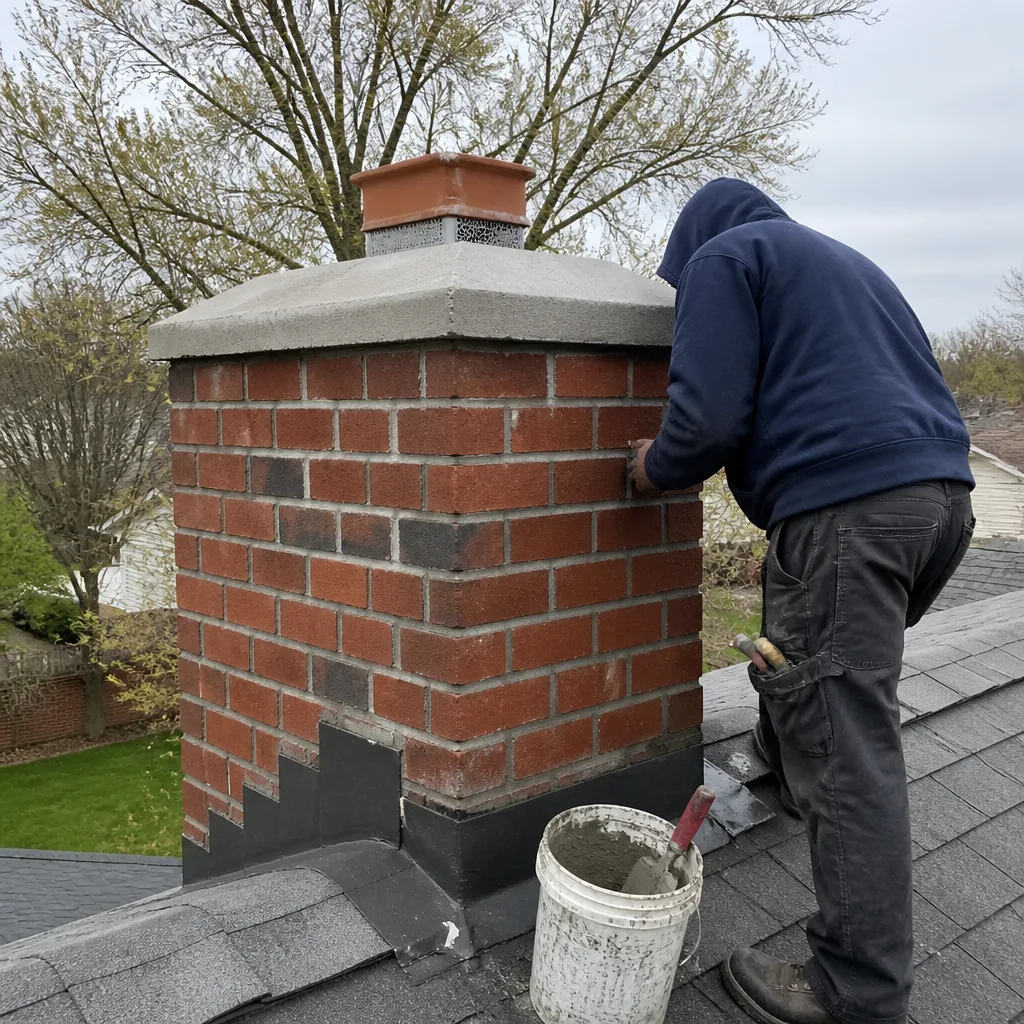 After
AfterChimney Cleaning & Sweep Maintenance Checklist for Jamaica Homeowners
Most chimney maintenance checklists read like they were written by someone who has never actually stood in a Jamaica basement looking up at a 90-year-old flue with a flashlight. They tell you to “check the damper” and “look for creosote” without explaining what either looks like, what it costs if you get it wrong, or where the line is between routine maintenance and a repair that couldn’t wait. This guide is different. It’s built around one principle that separates real chimney maintenance from sales theater: if you can’t verify the work yourself, it wasn’t done. We’re going to walk through exactly what to document before a sweep arrives in Jamaica, what to confirm during the visit, and the four written artifacts you should be holding when the crew leaves. Because a chimney company that won’t hand you a written price before work starts and a written record when it ends isn’t running a maintenance program. It’s running a repeat sales visit.
Quick Answer
A legitimate chimney sweep maintenance program in Jamaica, NY has three parts: a pre-visit baseline you document yourself (cap condition, damper operation, odor profile), a during-visit Level 2 inspection you can verify in real time (camera scan, creosote classification, flue liner assessment, crown check), and a post-visit packet of four written artifacts (written price, written findings, camera images, warranty terms). If any of those pieces is missing, the maintenance visit was incomplete regardless of what the invoice says. Most Jamaica wood-burning chimneys need a sweep every 1-2 years, and oil-to-gas conversions plus storm exposure are the two local triggers that should automatically upgrade a cleaning to a full camera inspection.
Table of Contents
- Pre-Visit Checklist: Document Before They Arrive
- During-Visit Verification: Four Things a Real Level 2 Sweep Does
- Post-Visit Documentation: Four Artifacts You Should Walk Away With
- Jamaica-Specific Triggers That Escalate Cleaning to Investigation
- Annual vs. Biennial: The Interval Math for Jamaica’s Mixed-Fuel Housing
- Common Mistakes to Avoid
- When to Call a Professional
- Frequently Asked Questions
 Before
 After
AfterPre-Visit Checklist: Document Before They Arrive
Here’s what most Jamaica homeowners don’t realize: the most important part of a chimney sweep visit happens before the technician ever shows up. You need a baseline. If you don’t know what your chimney looked like, smelled like, and operated like before the visit, you have no way to evaluate the work afterward. This isn’t paranoia. It’s the same logic an insurance adjuster uses, and it’s the reason Level Two Chimney Jamaica home has made documented evidence standard practice since 2009, not an add-on.
Your pre-visit documentation takes about ten minutes. Grab your phone for photos you’ll timestamp automatically. Here’s what to capture:
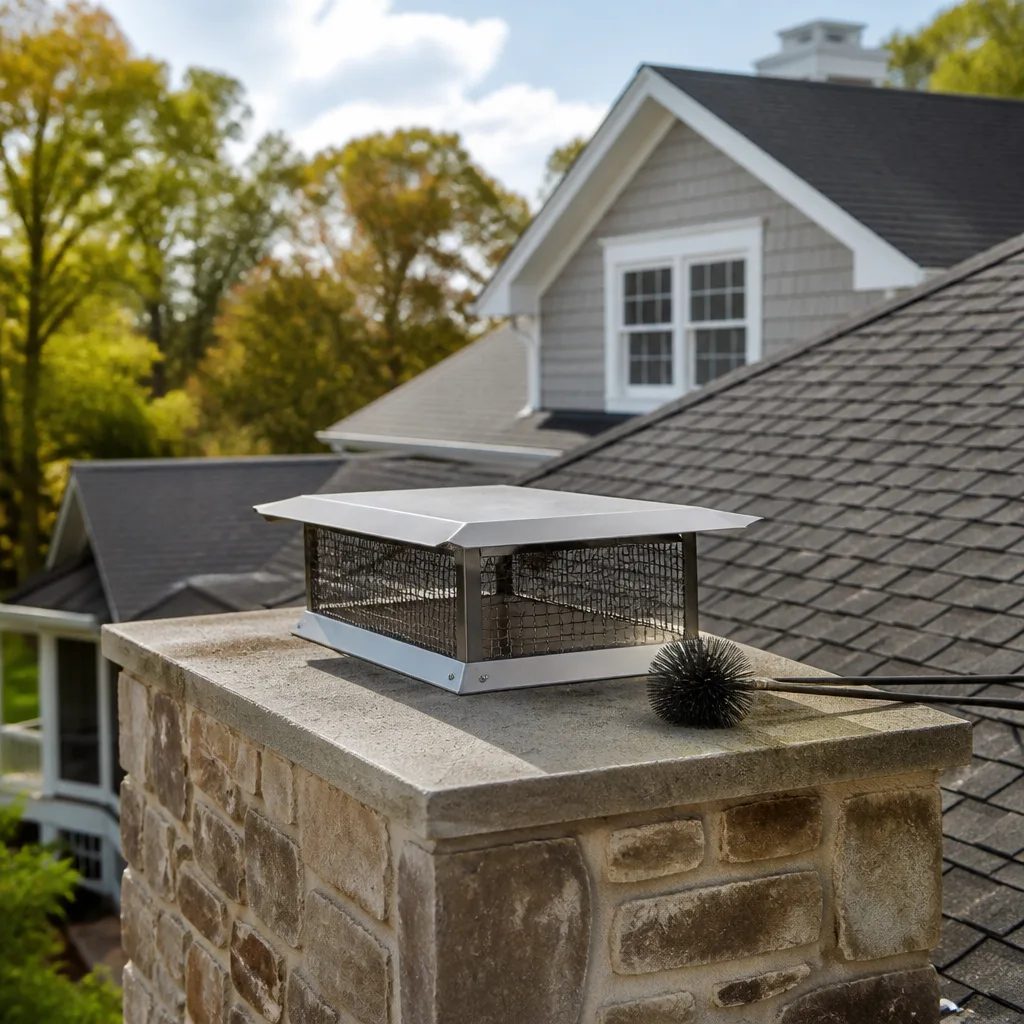
- Cap condition from the ground: Stand in your yard and photograph the top of the chimney. Is the cap there at all? Rusted? Perforated? A screens’s holes larger than a quarter mean animals can get in. Jamaica’s squirrel and raccoon pressure is real, especially in the older housing stock around Hillside Avenue and Jamaica Avenue where mature trees overhang rooflines.
- Damper operation: If you have a traditional throat damper above the firebox, open and close it three times. Does it stick? Does it seal flush when closed? Does the handle feel loose or detached? A damper that won’t fully close is a liability in Jamaica’s winter, when January nights routinely hit the teens and a wide-open damper is a straight pipe pumping furnace-warmed air out the roof.
- Odor profile: Stand at the fireplace opening and take one deliberate breath. Note what you smell. Musty and wet suggests moisture entry through a failed crown or cap. Acrid and smoky after weeks without a fire suggests creosote buildup. No smell is normal. This matters because after a sweep, the odor should either be gone or explained.
- Interior firebox condition: Photograph the firebrick at the back wall and floor of the firebox. Look for cracked bricks, missing mortar joints, or white staining (efflorescence) that signals water has been moving through the masonry.
- Last service date: Write down the last time the chimney was swept or inspected. If you don’t know, that’s an answer. Gaps longer than 18 months in Jamaica automatically trigger the escalation criteria we cover in the Jamaica-specific section below.
Do not skip this step because you trust the company. Trust is built on verification, not the other way around. When Corrine Halstead started Level Two Chimney Jamaica, the founding rule was that a homeowner should never have to take a technician’s word for what’s inside their own flue. That rule works both ways. Document your baseline, and you’ll have an objective before-and-after comparison.
During-Visit Verification: Four Things a Real Level 2 Sweep Does
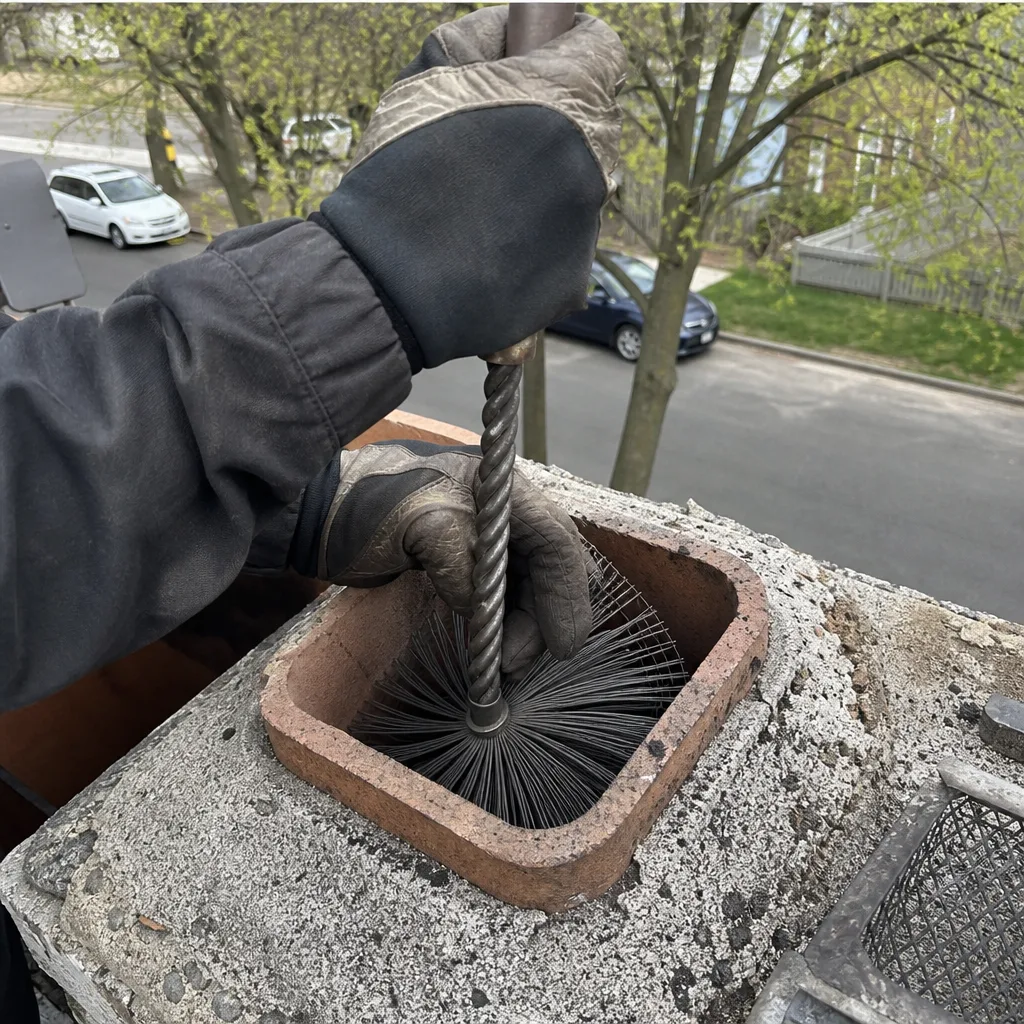
A chimney sweep visit in Jamaica means a lot of different things depending on who you hire. Some companies run what’s called a “flashlight sweep”: they run brushes up the flue, shine a light from the bottom, and tell you everything looks good. That’s not an inspection. NFPA 211 Level 2 is the inspection standard that actually matters, and it’s the minimum we recommend for any chimney in Jamaica that hasn’t been camera-inspected in the last two years. Here are the four things a legitimate Level 2 sweep will do that a flashlight-only company skips, and how to confirm each one in real time.
1. Camera Scan from Top and Bottom
The technician should insert a camera at both the top of the flue (from the roof or a scaffold) and the bottom (through the firebox or cleanout door). You should be able to see the footage as it happens, either on a monitor the tech brings inside or on a tablet screen. If the company tells you they “don’t do camera scans” or that it “only matters if we see a problem,” you’re talking to a company that wants to sell you a brush run, not a maintenance program. Clause 4 of the Haven Standard requires a photo record on every job, and Chimney Cleaning & Sweep in Jamaica work has included camera documentation as the default since 2009, years before insurers started asking for it.
2. Creosote Classification in Plain Language
Creosote isn’t one substance. It’s a spectrum, and the difference matters. Class I creosote is light, flaky soot that brushes off easily. Class II is crunchy, tar-like buildup that requires mechanical agitation. Class III is glazed, hardened creosote that looks like black glass and requires chemical treatment or specialized rotary tools. A real sweep will tell you what class they found and what it means for fire risk. A flashlight sweep will tell you “it’s dirty” and hand you a bill. Ask the question directly: “What class of creosote did you find?” If they can’t answer, the inspection wasn’t real.
3. Flue Liner Assessment with Terms You Can Verify
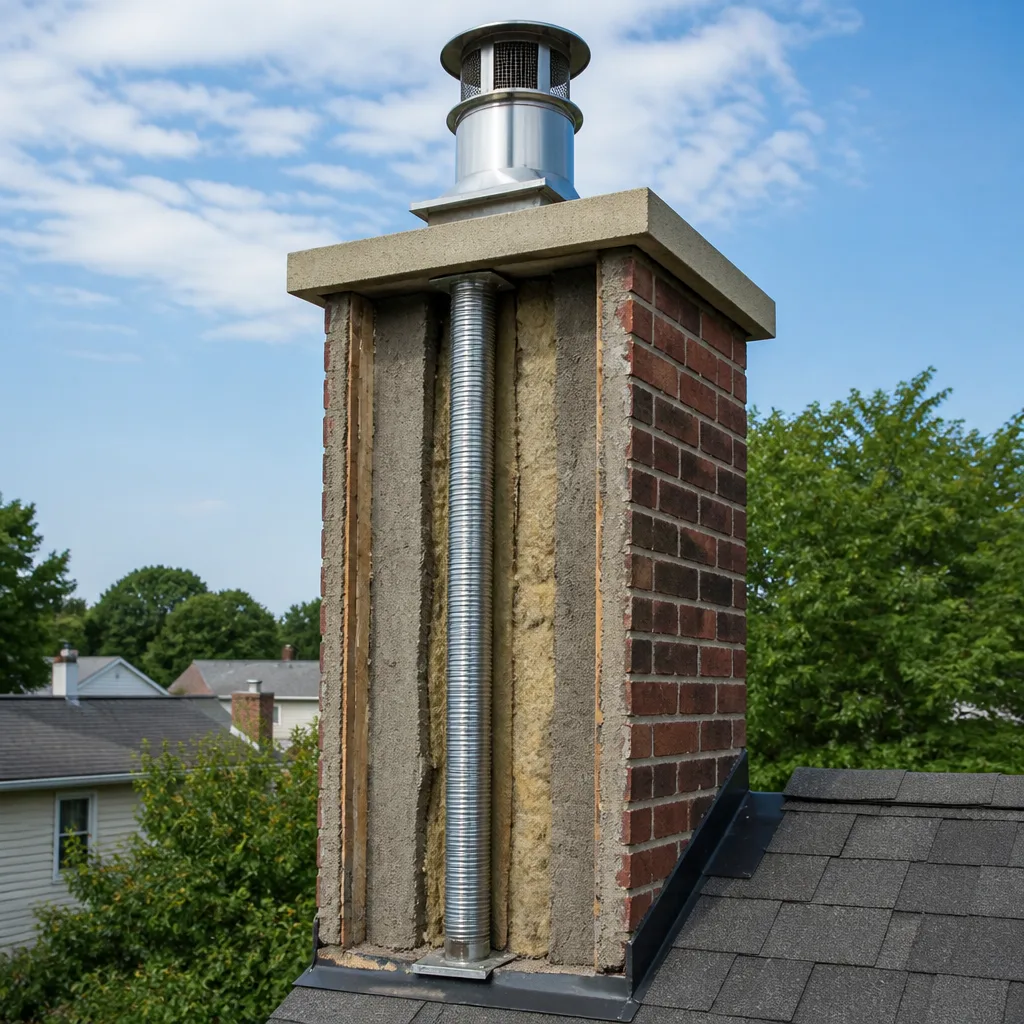
Jamaica’s housing stock includes a lot of chimneys built for coal or early oil burners that were never designed for modern gas exhaust or high-efficiency wood stoves. The flue liner is the clay, metal, or cast-in-place barrier between the smoke and the masonry. A Level 2 sweep assesses the liner for: cracks, spalling (flaking or crumbling clay), gaps between tile sections, water staining, and offset (misalignment). If problems are found, you should be shown the camera images, not just told about them. Materials like Olympia Chimney liners or HeatShield resurfacing products come into play when repairs are needed, but the assessment should always precede the recommendation, and it should come with evidence.
4. Crown and Cap Verification from Above
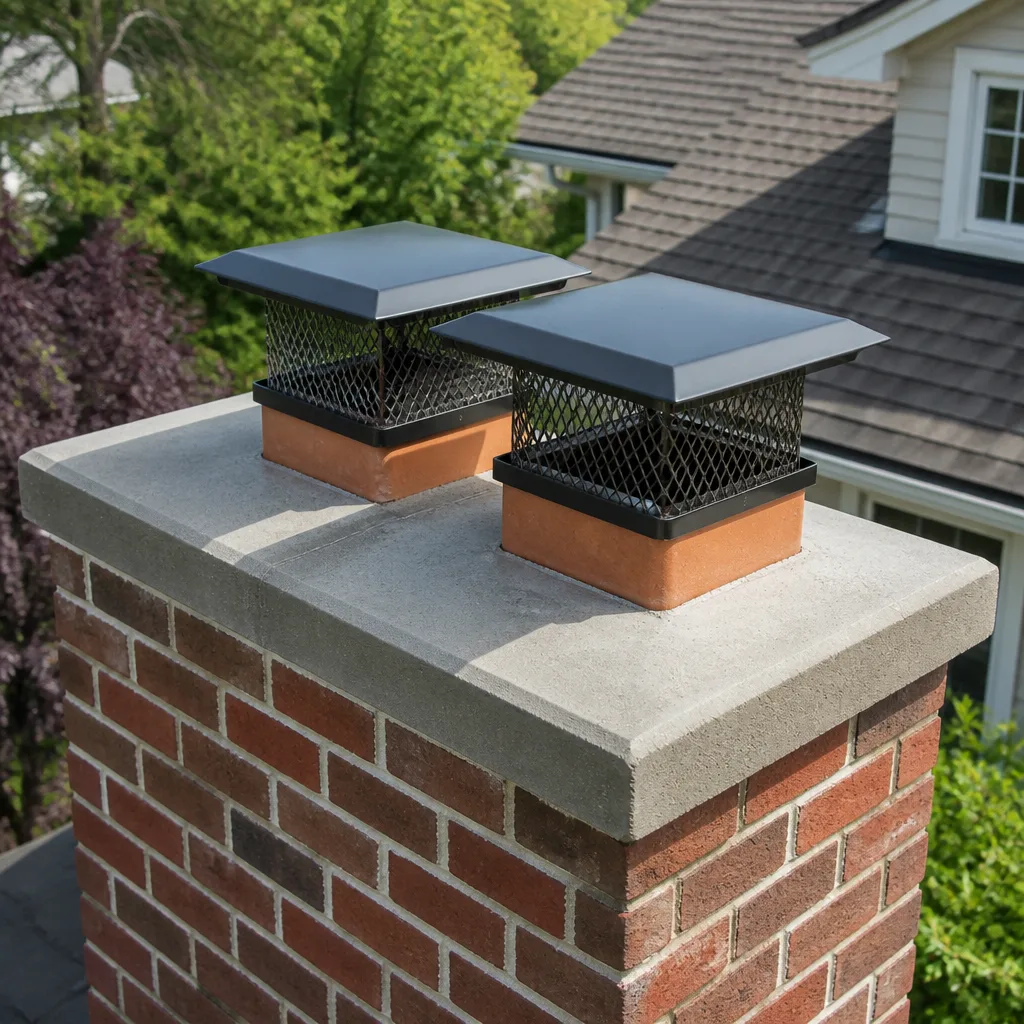
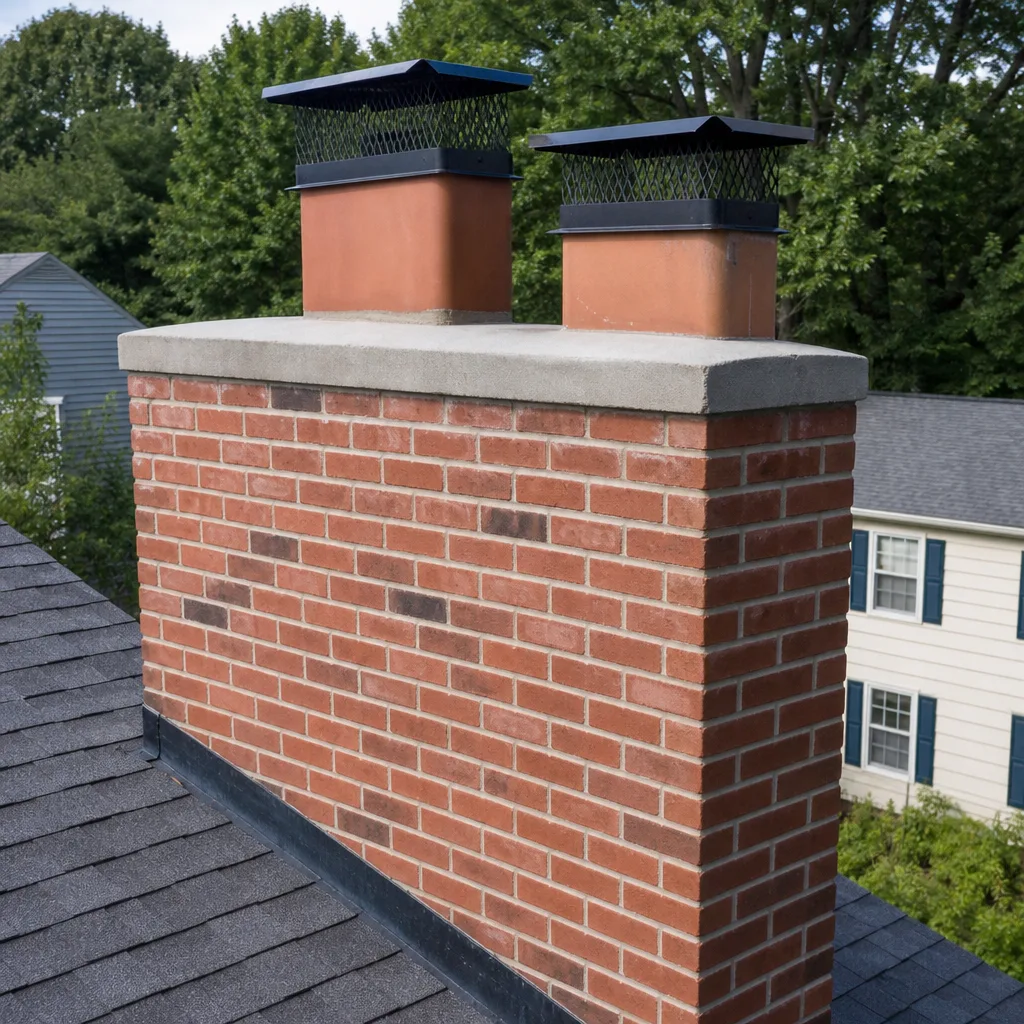
The crown is the concrete slab that caps the masonry at the top of the chimney. It’s the primary defense against water, and it’s invisible from ground level in most Jamaica homes. A real sweep gets eyes on the crown, either by ladder if safe or via camera from the roofline. Cracks in the crown let water into the masonry, where freeze-thaw cycles in Jamaica’s winters (we get enough single-digit nights to matter) cause spalling brick and deteriorating mortar. The cap check should include the spark arrestor screen, which keeps embers in and animals out.
If all four are happening, you’re getting a real Level 2 sweep. If the crew shows up with brushes and a shop vac and doesn’t open a monitor, you’re getting a brush run at an inspection price.
Post-Visit Documentation: Four Artifacts You Should Walk Away With
This is the part most Jamaica homeowners skip because it feels awkward: asking for documentation after the work is done. But the documentation is the entire product. It’s what makes your maintenance defensible to an insurance company after a chimney fire. It’s what a future buyer will ask for when you sell. It’s what protects you if a problem develops six months later and you need to know whether it existed at the time of service. A Fireplace Services in Jamaica visit that doesn’t end with a paper trail is a visit that didn’t happen, at least not in any form you can use.
1. Written Price (Before Work Starts)
The written price must exist before anyone touches your chimney. Not a verbal estimate. Not a “we’ll see what we find and let you know.” A written scope with a dollar figure and a line-item breakdown. If a company starts sweeping without a written agreement, stop them. Haven Standard Clause 1 names this explicitly: written price, written scope, no exceptions. The price on the page before the work starts is the entire trust architecture of a good sweep visit.
2. Written Findings (After Work Is Done)
After the sweep, you should receive a written report describing what was found. This includes: creosote class encountered and volume removed, liner condition, crown and cap condition, damper operation, water intrusion evidence, and any recommendations for follow-up work with a priority ranking. The recommendations should include cost expectations where possible. “We found a crack in the crown, here’s a photo, here’s what it costs to fix, here’s what happens if you wait” is the format. Anything less is a verbal handshake.
3. Camera Images and Photo Record
You should leave the visit with actual digital photos, not a memory of a monitor. We email the photo file the same day. These images document the condition of the flue before and after cleaning, any defects found, and the completed work. A homeowner in Jamaica should be able to open a folder six months after the visit and see exactly what the chimney looked like. This is the archive practice that became Clause 4 of the Haven Standard.
4. Warranty Terms in Writing
What’s covered, for how long, under what conditions? A sweep company that offers a satisfaction guarantee should be willing to put the terms in writing. Our 365-Day Done Right Promise is stamped on every job. If it’s not done right, we make it right, within 365 days, in writing. If a company offers a warranty verbally but won’t write it down, assume the warranty doesn’t exist.
Fold these four artifacts into a folder. Insurance claims, resale disclosures, and future maintenance decisions all get easier when the record is complete. And if you’re comparison shopping, we offer a Free Second Opinion on any written estimate. Bring us a competitor’s written quote and our team will assess it against NFPA 211 Level 2 standards.
Jamaica-Specific Triggers That Escalate Cleaning to Investigation
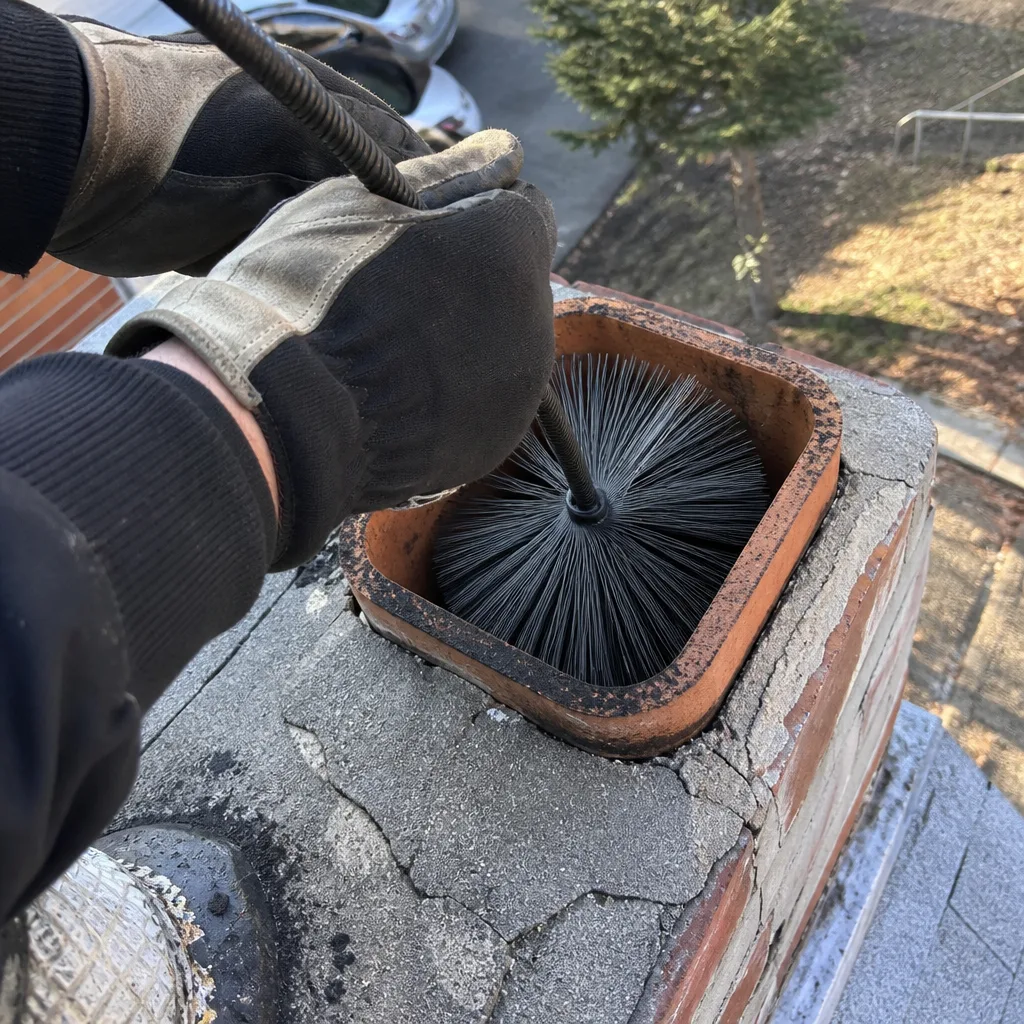
Routine Chimney Cleaning & Sweep is routine until it isn’t. In Jamaica, three local conditions should automatically upgrade a standard sweep to a full Level 2 investigation, even if the calendar says you’re not due for an inspection. These aren’t optional upsells. They’re integrity checks on your home’s exhaust system, and skipping them can leave a serious condition hidden behind a clean flue.
1. Oil-to-Gas Conversion History
Huge swaths of Jamaica’s housing stock were originally heated with fuel oil. Many of those systems converted to natural gas decades ago, often without properly addressing the chimney. Oil exhaust is cool and acidic; gas exhaust is cooler and wetter. An unlined masonry chimney that tolerated oil for sixty years can deteriorate rapidly under gas, with acidic condensation dissolving mortar joints and creating hidden gaps. If your home has oil conversion history, your chimney needs a camera inspection before you trust it with another heating season. This is especially common in Queens-side Jamaica neighborhoods where boiler rooms still show the capped oil fill line in the basement wall.
2. Storm Damage Exposure
Jamaica gets the full Atlantic coastal weather pattern: nor’easters in winter, remnants of tropical systems in late summer, and severe thunderstorm lines that roll through from the west. A chimney that takes a wind gust over 60 mph can suffer displaced caps, cracked crowns, or loosened top-course brick without any visible damage from the ground. After any significant named storm, or after a line of severe thunderstorms with reported wind damage in Queens, schedule a visual inspection at minimum. If your cap is deformed or missing after a storm, that’s an immediate camera scan.
3. Service Gap Longer Than 18 Months
It’s the simplest rule in the guide. If your chimney hasn’t been swept in 18 months or more, treat the next visit as an inspection, not a cleaning. Creosote accumulation isn’t linear. A chimney that burned clean for a year can load up in six months if you switch from seasoned hardwood to unseasoned wood, or if a new source of moisture changes how the creosote deposits. Long service gaps also mean nobody has checked the cap, crown, and liner recently, and those components fail silently. See our Chimney Cleaning Warning Signs: A Jamaica Homeowner’s Reference Guide for what to watch for.
Any one of these triggers shifts the visit from “clean it out” to “prove it’s safe.” In our experience, Jamaica homeowners who document these triggers and act on them avoid the genuinely expensive repairs. The homeowners who don’t are the ones we meet after a chimney fire or a CO scare.
Annual vs. Biennial: The Interval Math for Jamaica’s Mixed-Fuel Housing
The standard advice is “sweep every year,” but that’s a calendar-based answer to a usage-based question. Jamaica’s housing stock runs the full range: wood-burning fireplaces in pre-war colonials, gas logs in mid-century brick ranches, wood stoves in converted basements, and ventless gas units in newer construction. The correct interval depends on fuel type and burn frequency, not the rotation of the Earth.
Here’s the interval logic we apply for chimney cleaning in Jamaica:
- Wood-burning fireplace, used weekly during the season (November through March): Annual sweep. No exceptions. Weekly wood burning in a Jamaica winter generates enough creosote to warrant a professional cleaning before the next season. If you burn more than two cords a year, consider a mid-season sweep in January.
- Wood-burning fireplace, used occasionally (holidays, a dozen fires a year): Biennial sweep is usually adequate, provided you’re burning seasoned hardwood and your cap is intact. But anything that changes how the chimney draws (a new roof, nearby tree removal, new appliance connected to the flue) resets the clock.
- Gas fireplace with a gas log set in a masonry fireplace: Biennial inspection, annual visual check. Gas logs don’t produce creosote, but they can produce acidic condensation that attacks masonry, and the logs themselves need periodic cleaning. The chimney still needs a camera scan every other year.
- Wood stove, used as a primary or secondary heat source: Annual sweep, minimum. Wood stoves with catalytic combustors run cooler and build Class II and III creosote faster than open fireplaces. Every wood stove in Jamaica should be swept professionally before the first burn of the season.
- Older home with an unlined chimney, heating system still venting through it: This isn’t an interval question. This is a liner question. An unlined masonry chimney venting a gas or oil appliance is a carbon monoxide risk in Jamaica housing stock. We recommend a Level 2 camera inspection immediately.
One qualification: these intervals assume proper operation. A chimney with a cracked cap, a missing damper, water staining on the ceiling near the fireplace, or a backdrafting smell when the furnace runs is not on a maintenance schedule. It’s on a repair timeline, and the interval question becomes irrelevant. The Chimney Repair in Jamaica side of our work starts where routine maintenance ends.
Common Mistakes to Avoid
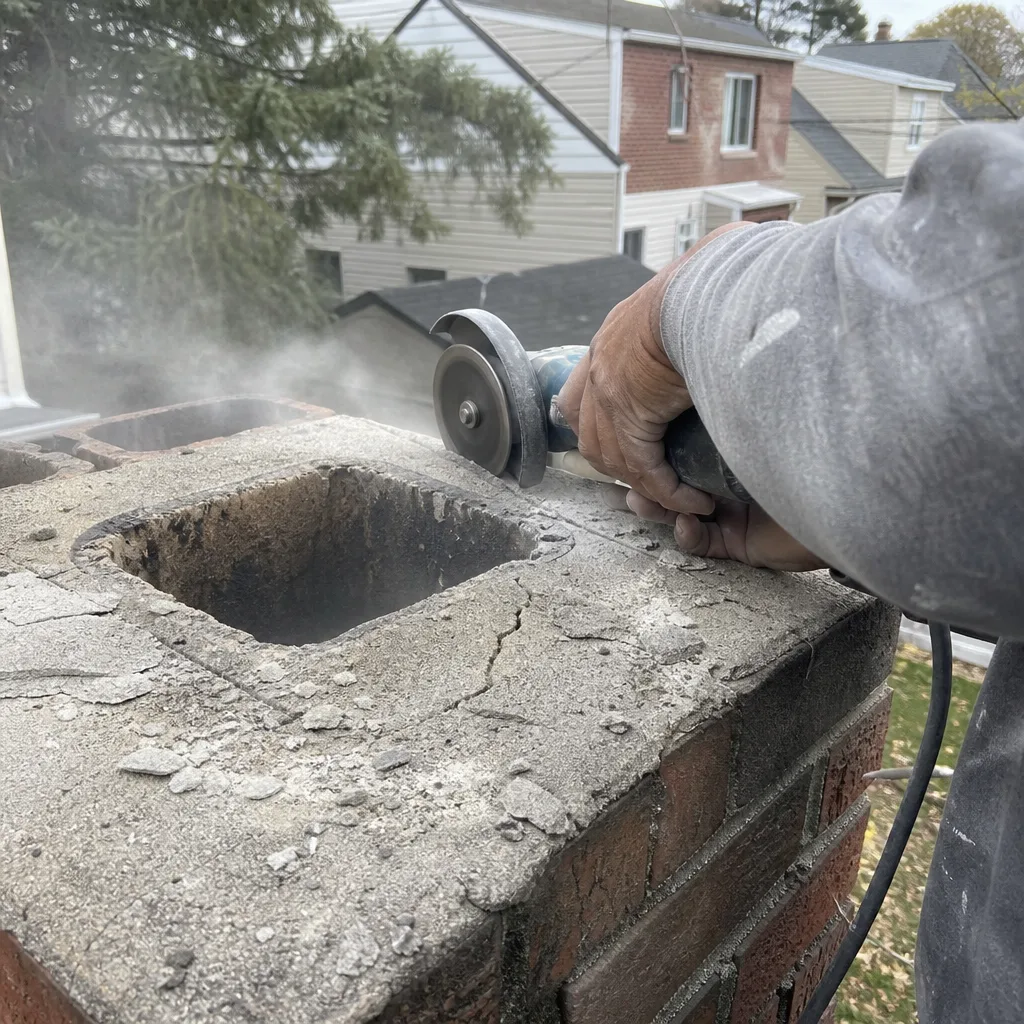
- Assuming the previous owner maintained the chimney. Jamaica home sales often close without a chimney inspection. The previous owner’s maintenance schedule, if it existed, rarely transfers with the keys. Assume nothing until a camera has been down the flue.
- Treating a chimney sweep quote over the phone as final. Legitimate companies need to see the chimney before pricing it. A phone quote without a site visit is a guess. A written price after the site visit is the real thing.
- Skipping the pre-visit photo documentation. If you don’t know what the cap looked like before the storm, you won’t notice when the storm damage is still there two weeks later. Your own photos are your proof.
- Accepting “it’s fine” without seeing the camera footage. You wouldn’t accept a mechanic’s diagnosis without looking at the car. The same standard applies to the flue. If the company can’t show you the camera feed, they didn’t do a real inspection.
- Sweeping a chimney with known water damage without addressing the water entry first. Cleaning creosote out of a wet chimney is like vacuuming a flooded basement. The recurring condition will undo the work. Crown, cap, and flashing come first.
- Delaying a sweep because the fireplace “still works.” A chimney that draws well with moderate creosote can turn into a chimney fire with one overloaded burn. Function is not a safety metric, especially with Class II glazing near the smoke chamber.
When to Call a Professional
Some conditions are unambiguous. If you smell smoke in the house when the fireplace isn’t in use, if you see efflorescence or staining on the ceiling around the chimney chase, if the damper won’t close, if you hear animals in the flue, or if a storm has visibly displaced the cap, call a professional before the next burn. The same applies if your carbon monoxide detector triggers near the fireplace or boiler, even if it resets. Jamaica’s older housing stock makes CO a real concern, not a theoretical one. Level Two Chimney Jamaica offers free estimates in Jamaica and the surrounding neighborhoods, with written pricing before any work starts. Call (516) 240-9612 to schedule. A live person answers, 24/7, not a voicemail.
Frequently Asked Questions
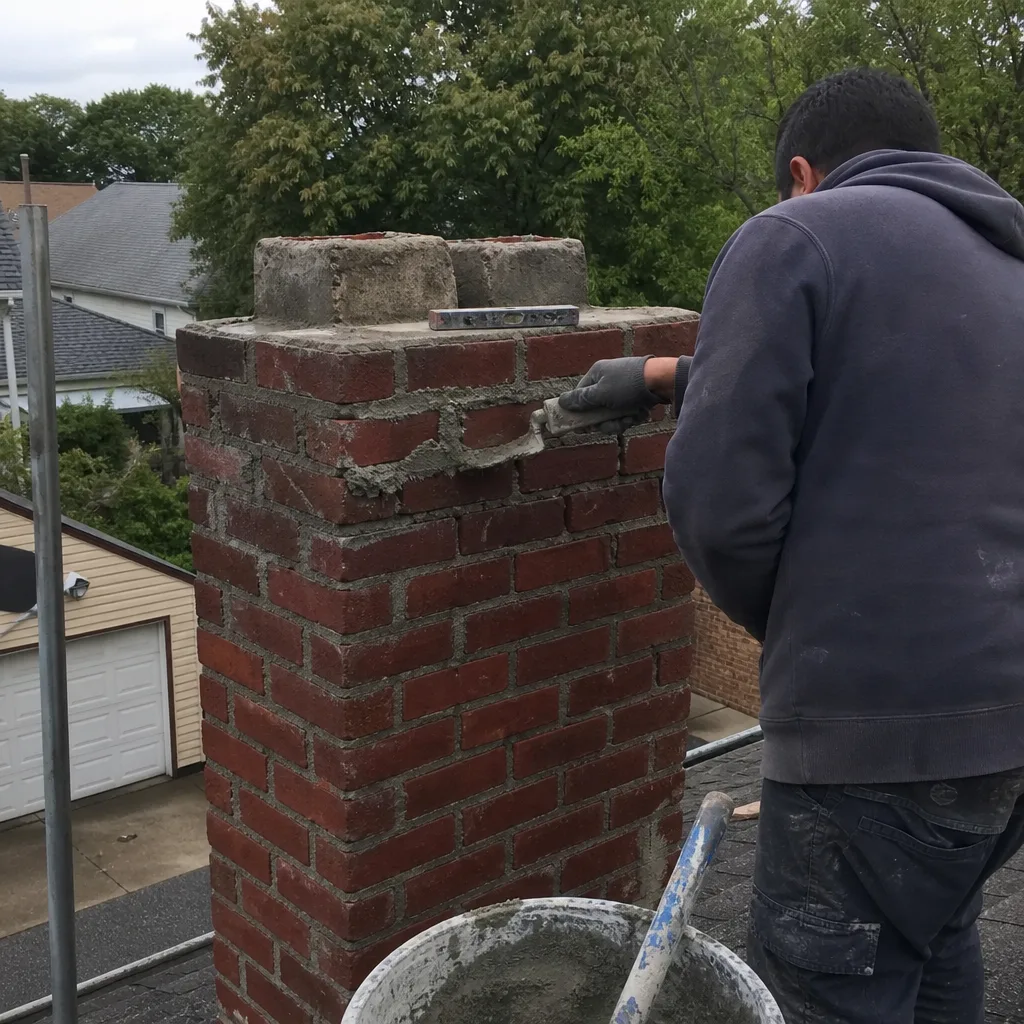
A standard chimney sweep in Jamaica typically ranges from $180 to $340 for a single-flue, single-story chimney, with the price rising for multi-flue chimneys, steep roof pitches, or heavy creosote requiring mechanical removal. A full NFPA 211 Level 2 inspection with camera scan, which we include as standard, is often quoted separately by companies that treat it as an add-on, but should be bundled into the sweep price if you’re working with a company that documents by default. Call (516) 240-9612 for an exact quote. Estimates are free, written, and documented with photos before any work begins.
You need a new liner if the existing one is cracked, spalling, or absent, and the decision should be based on camera evidence, not a technician’s verbal reassurances. Gas appliances venting through unlined or deteriorated masonry chimneys create carbon monoxide risk, and Jamaica’s older homes often have original clay flues showing their age. If liner work is recommended, ask to see the camera images showing the defect. If the evidence isn’t produced, get a second opinion. We’ll assess a competitor’s written recommendation for free.
Annual sweeping is right for wood-burning fireplaces used weekly during the heating season, while occasional-use fireplaces can often go two years between sweeps if the wood is seasoned, the cap is intact, and the previous inspection was clean. Gas-only fireplaces should be inspected every other year. The calendar is less important than burn frequency, and gaps longer than 18 months automatically warrant a full camera inspection. Call (516) 240-9612 to discuss your specific burn pattern and get a written recommendation.
Creosote accumulates, and at some point it becomes fuel instead of residue. A chimney fire burns at temperatures that crack flue liners, melt roof flashing, and in Jamaica’s closely-spaced housing stock, can spread through shared party walls. Even short of a fire, a blocked flue pushes exhaust back into the living space, and carbon monoxide is odorless. The path from “skip one season” to “major liner or masonry rebuild” is shorter than most homeowners expect. A documented sweep costs less than most insurance deductibles.
A Level 1 inspection is a visual check of accessible portions of the chimney, performed during a routine sweep when nothing has changed about the system. A Level 2 inspection adds camera scanning of the entire flue interior, required when the home is being sold, when the system has been changed (new appliance, conversion, relining), or after a structural event like a storm or chimney fire. Level 2 is the standard we make default on every visit, because it’s the only way to document what the flue actually looks like.
You can, but you shouldn’t. The risk with DIY chimney cleaning isn’t the brushing itself. It’s what you can’t see. Without a camera, you’re cleaning blind, and the most dangerous conditions (cracked liner, hidden blockage, smoke chamber glazing) are invisible from either end of the flue. Jamaica’s older masonry chimneys especially need trained eyes. If you want the money saved, buy the brushes and sweep a clean chimney yourself. But get a camera inspection first so you know it’s clean.
The Bottom Line
A chimney maintenance checklist for Jamaica homeowners isn’t a list of chores. For more guides & resources, visit our blog. It’s a verification protocol. Before the sweep, you document your own baseline: cap, damper, odor, firebox, service history. During the sweep, you confirm four things: camera scan, creosote classification, liner assessment, crown check. After the sweep, you walk away with four artifacts: written price, written findings, photo record, warranty terms. Jamaica adds its own triggers: oil conversion history, storm exposure, service gaps. If the company you hire can’t show you the work, the work didn’t happen. That’s the standard. Call (516) 240-9612 for a free estimate and a written price before any work starts.
Written by Corrine Halstead, Owner at Level Two Chimney Jamaica, serving Jamaica since 2009.